Introduction
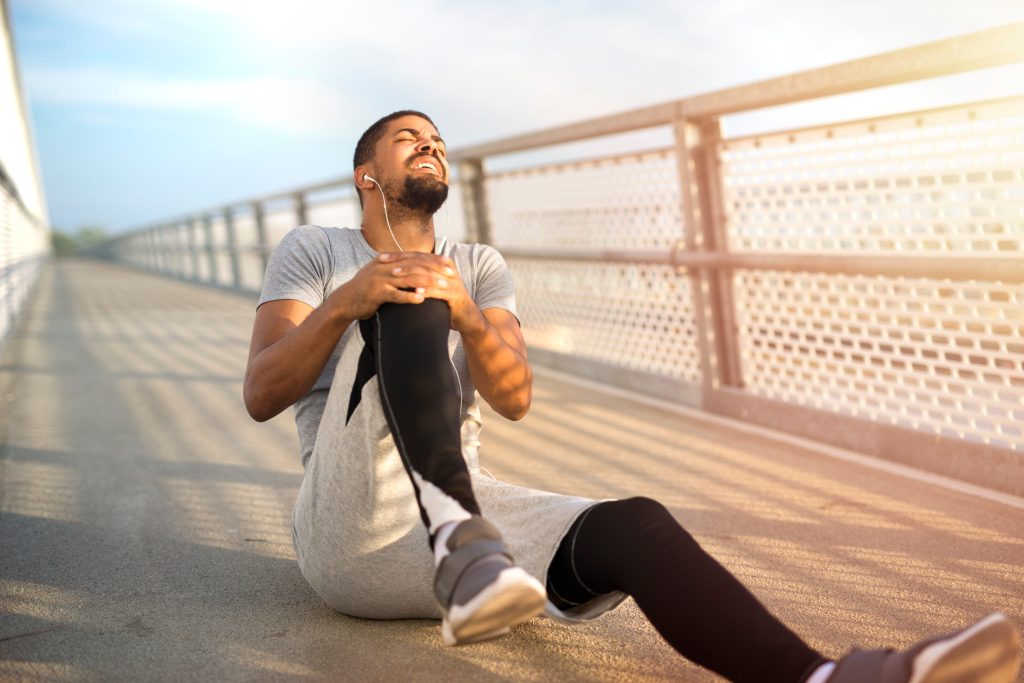
An ACL Injury is one of the most common yet serious knee injuries that affects athletes, active individuals, and even people during daily movements. An ACL Injury occurs when the anterior cruciate ligament, which is responsible for stabilizing the knee joint, becomes stretched, partially torn, or completely ruptured due to sudden twisting, impact, or improper landing. This condition can significantly affect mobility, reduce strength, and limit a person’s ability to perform physical activities comfortably.
The ACL plays a crucial role in maintaining knee stability, especially during dynamic movements such as running, jumping, pivoting, and sudden direction changes. When this ligament is injured, patients often experience pain, swelling, instability, and difficulty bearing weight on the affected leg. In many cases, individuals may also hear a “popping” sound at the time of injury, followed by immediate discomfort and reduced knee function.
Although surgical intervention may be required for severe cases, physiotherapy remains one of the most effective and essential components of ACL Injury recovery. Structured rehabilitation not only helps restore movement and strength but also significantly reduces the risk of long-term complications such as chronic instability or early osteoarthritis.
Understanding ACL Injury in Detail
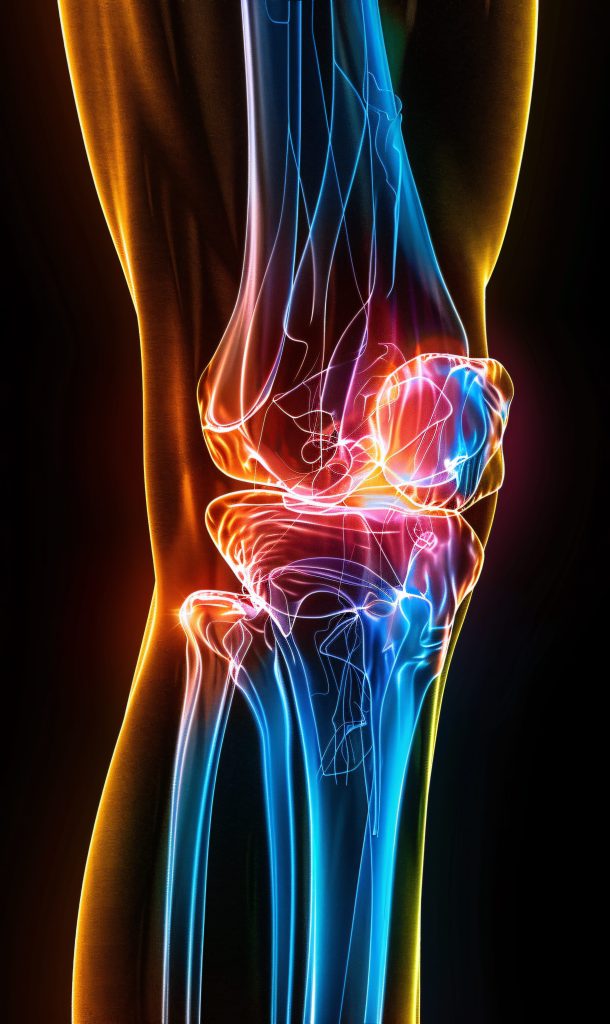
An ACL Injury typically happens when the knee is forced beyond its normal range of motion, especially during sports or high-impact activities. The anterior cruciate ligament connects the thigh bone to the shin bone and is responsible for preventing excessive forward movement of the tibia as well as controlling rotational stability of the knee. When this ligament is compromised, the knee loses its natural stability, making even simple movements challenging.
Common causes include sudden stops while running, awkward landings from a jump, rapid directional changes, or direct collisions during sports such as football, basketball, badminton, or futsal. Non-sport related ACL Injury cases may also occur due to falls, slips, or road accidents.
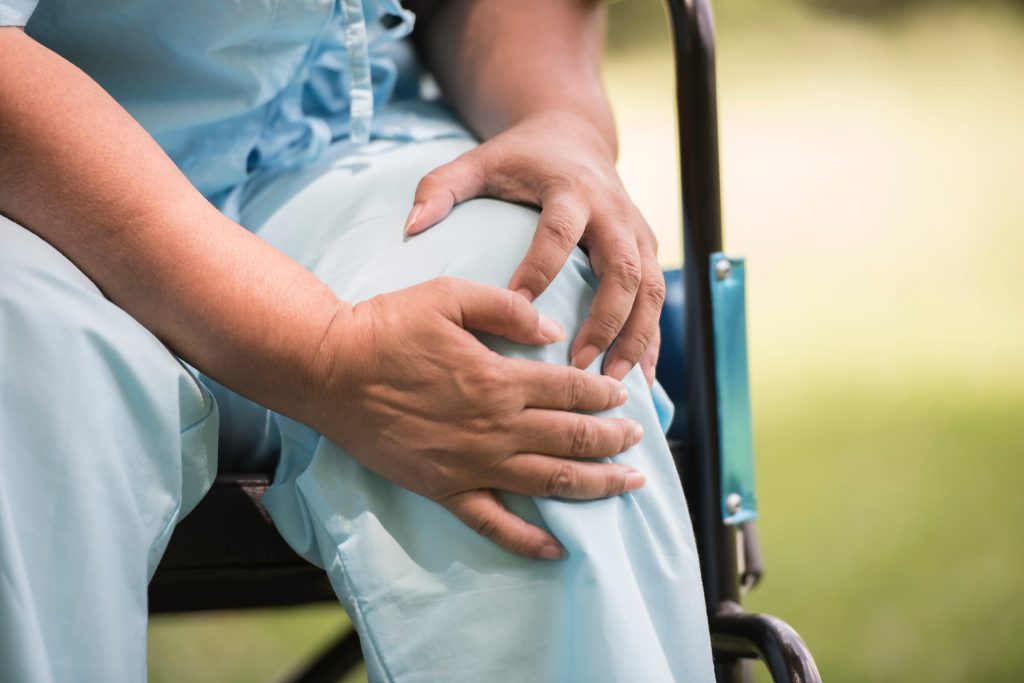
Once injured, patients often experience immediate swelling due to internal bleeding within the joint. Pain intensity may vary depending on severity, but instability is usually the most concerning symptom, as it affects confidence in walking and standing.
Why Physiotherapy is Essential for ACL Injury Recovery
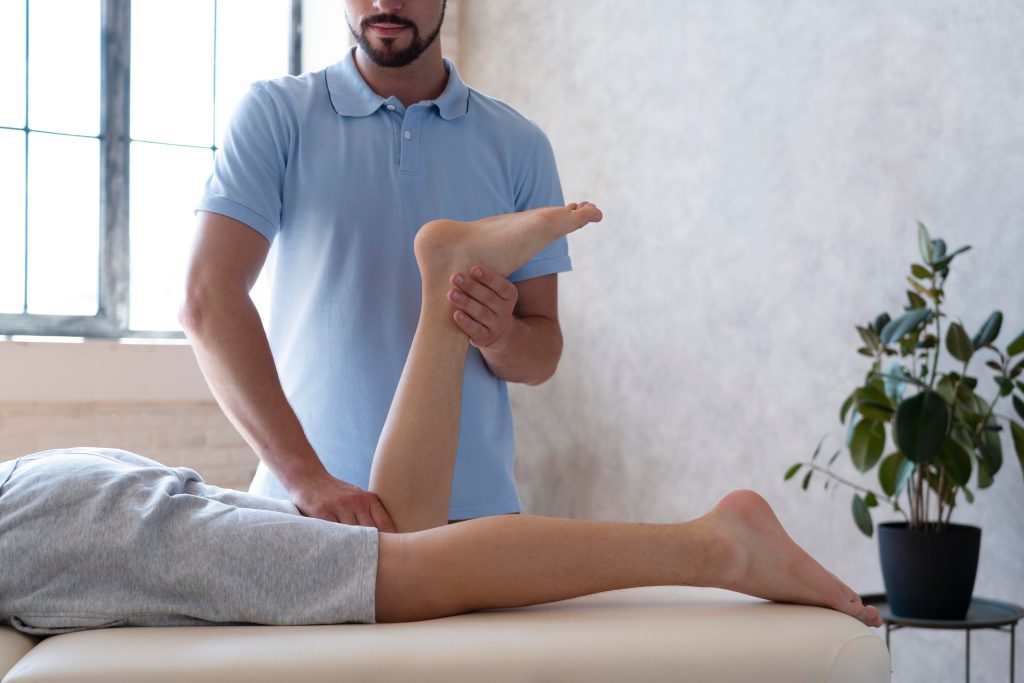
Physiotherapy is not just an optional step in recovery; it is a core component of healing from an ACL Injury. Whether the patient undergoes surgery or not, rehabilitation ensures that the knee regains its strength, flexibility, and functional stability. Without proper physiotherapy, patients risk developing muscle weakness, poor movement patterns, and long-term joint problems.
Modern physiotherapy focuses on restoring movement patterns, rebuilding strength, improving balance, and retraining neuromuscular control. These elements are essential because ACL Injury does not only affect the ligament itself but also the surrounding muscles, tendons, and sensory feedback systems of the knee.
1. Physiotherapy Helps Reduce Pain and Swelling After ACL Injury
One of the first priorities after an ACL Injury is controlling inflammation. Swelling inside the knee joint can restrict movement and increase discomfort, making recovery more difficult if not managed properly. Physiotherapy plays a key role in reducing both pain and swelling through evidence-based interventions such as cryotherapy, compression techniques, elevation strategies, and gentle manual therapy.
Reducing inflammation early in the recovery process is crucial because it creates a better environment for healing. When swelling is controlled, the knee becomes easier to move, allowing patients to begin rehabilitation exercises sooner. This early progression is essential in preventing stiffness and long-term mobility issues.
At Iswanah Physiotherapy, individualized treatment approaches are used to ensure that each ACL Injury patient receives appropriate care based on their condition and severity level.
2. Restoring Knee Mobility After ACL Injury
Loss of knee mobility is a common issue following an ACL Injury. Many patients find it difficult to fully bend or straighten their knee due to pain and swelling. Physiotherapy addresses this limitation through structured mobility exercises and joint mobilization techniques designed to restore normal movement patterns.
Restoring range of motion is one of the most important early goals in rehabilitation because it directly affects walking ability, stair climbing, and daily function. Without proper mobility recovery, patients may develop compensatory movement patterns that lead to further complications in the hips and lower back.
Controlled stretching, guided exercises, and progressive movement training help ensure that the knee gradually regains its full functional capacity in a safe and effective manner.
3. Strengthening Quadriceps for ACL Injury Recovery
After an ACL Injury, the quadriceps muscles often become weak due to reduced activity and pain inhibition. This muscle weakness can significantly affect knee stability and prolong recovery time. Physiotherapy focuses heavily on rebuilding quadriceps strength through structured and progressive exercises.
Exercises such as straight leg raises, resistance-based movements, and functional squats are commonly used to activate and strengthen these muscles. Strong quadriceps help support the knee joint and reduce pressure on the healing ligament.
Improving muscle strength not only enhances stability but also prepares the patient for higher-level functional movements required in sports and daily activities.
4. Improving Hamstring Strength and Knee Protection
The hamstrings play an important protective role in reducing stress on the ACL. After an ACL Injury, strengthening the hamstring muscles becomes essential to restore balance around the knee joint. Physiotherapy programs often include resistance training and controlled strengthening exercises that target these muscles.
Stronger hamstrings help control forward movement of the tibia, reducing strain on the healing ligament. This balance between quadriceps and hamstrings is critical in preventing re-injury and ensuring long-term knee stability.
5. Restoring Balance and Proprioception After ACL Injury
An ACL Injury affects more than just physical strength; it also impacts proprioception, which is the body’s ability to sense joint position. When this system is disrupted, patients may experience poor balance and reduced coordination.
Physiotherapy incorporates balance training and neuromuscular exercises to retrain the body’s sensory feedback system. These exercises help patients regain confidence in their movements and improve overall joint control.
For example, single-leg standing exercises and dynamic stability drills are commonly used in rehabilitation programs to enhance proprioception and prevent future injuries.
6. Correcting Walking Patterns After ACL Injury
Many patients develop abnormal walking patterns after an ACL Injury due to pain or instability. These compensatory movements may lead to additional strain on other joints such as the hips and lower back.
Physiotherapy focuses on gait retraining to restore natural walking mechanics. Through guided movement correction and functional training, patients learn how to walk properly without overloading the injured knee.
Correct walking patterns are essential for preventing long-term complications and ensuring a smooth recovery process.
7. Preventing Muscle Loss During Recovery
Muscle atrophy is a common consequence of reduced activity following an ACL Injury. Without proper rehabilitation, muscle loss can significantly delay recovery and affect long-term performance.
Physiotherapy helps prevent this through progressive strengthening exercises and neuromuscular stimulation techniques. Maintaining muscle mass ensures that the knee remains supported throughout the healing process and reduces the risk of future injury.
8. Supporting Recovery After ACL Surgery
For patients who undergo ACL reconstruction surgery, physiotherapy becomes even more critical. Post-surgical rehabilitation focuses on protecting the graft, reducing pain, restoring mobility, and gradually rebuilding strength.
Each stage of recovery is carefully monitored to ensure safe progression. Without proper physiotherapy, surgical outcomes may be compromised, leading to slower recovery and reduced functional performance.
9. Safe Return to Sports After ACL Injury
Returning to sports after an ACL Injury requires careful assessment and structured progression. Physiotherapists evaluate strength, balance, and functional movement patterns before clearing patients for sports participation.
Sport-specific training is then introduced to prepare the body for real-game movements such as jumping, sprinting, and directional changes. This ensures that patients return to sports safely and confidently.
10. Preventing Future ACL Injury
One of the most important benefits of physiotherapy is injury prevention. By correcting movement patterns, improving strength, and enhancing neuromuscular control, physiotherapy significantly reduces the risk of future ACL Injury.
Preventive training programs are especially important for athletes and active individuals who are at higher risk of re-injury.
Conclusion
An ACL Injury can be a challenging and frustrating experience, especially for individuals who enjoy sports, exercise regularly, or simply want to maintain an active lifestyle. The injury not only affects physical performance but can also impact confidence in movement and daily activities. Fortunately, with early intervention and a structured rehabilitation program, most patients can achieve excellent recovery outcomes. Physiotherapy plays a crucial role throughout every stage of recovery by reducing pain and swelling, restoring mobility, rebuilding muscle strength, improving balance, and helping patients regain full knee function safely.
Recovering from an ACL Injury requires patience, consistency, and professional guidance. Whether you are recovering from a mild ACL sprain, a partial tear, or ACL reconstruction surgery, working with an experienced physiotherapist can significantly improve your recovery journey and reduce the risk of future injuries. At Iswanah Physiotherapy, our team is committed to helping you return to the activities you love through evidence-based treatment and personalized rehabilitation programs tailored to your specific needs.
If you are currently experiencing knee pain, instability, or have recently suffered an ACL Injury, don’t wait for the condition to worsen. Visit your nearest Iswanah Physiotherapy branch for a comprehensive assessment and personalized treatment plan. Our experienced physiotherapists are ready to guide you every step of the way toward a stronger, more stable, and healthier knee. Book your consultation today and take the first step towards a faster and safer recovery.