Introduction
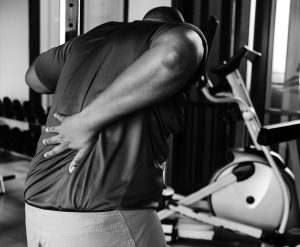
Back pain is one of the most common musculoskeletal conditions affecting people of all ages. While many cases improve with rest and simple home remedies, persistent pain that radiates to the legs, causes numbness, or limits daily activities may indicate a more serious condition. One of the most common causes is a slip disc.
A slip disc can interfere with work, exercise, sleep, and even simple tasks such as walking, sitting, or bending. Fortunately, many people can recover successfully with conservative treatment, and physiotherapy is often one of the most effective non-surgical approaches.
At Iswanah Physiotherapy, our experienced physiotherapists provide personalized rehabilitation programs designed to reduce pain, restore mobility, strengthen the spine, and help patients return to their normal activities safely.
In this article, you’ll learn everything you need to know about slip disc, including its causes, symptoms, diagnosis, treatment options, and how physiotherapy can support your recovery.
What Is a Slip Disc?

A slip disc is a common term used to describe a herniated or prolapsed intervertebral disc. The spine consists of a series of bones called vertebrae, separated by soft discs that act as shock absorbers. Each disc has:
- A tough outer layer (annulus fibrosus)
- A soft gel-like center (nucleus pulposus)
When the outer layer weakens or tears, part of the soft inner material may bulge or push outward. This can place pressure on nearby spinal nerves, causing pain and other neurological symptoms.
Despite its name, the disc does not actually “slip” out of place. Instead, it bulges or herniates, which is why healthcare professionals prefer the term “herniated disc.”
Your spine has three major regions:
Cervical Spine
Located in the neck, this region supports the head and allows movement in multiple directions.
Thoracic Spine
The middle section of the back connects to the rib cage and provides stability.
Lumbar Spine
The lower back bears most of your body weight and is the most common area affected by disc herniation because it experiences the greatest mechanical stress during lifting, bending, and twisting.
Common Causes of a Slip Disc
Several factors increase the risk of developing a herniated disc.
1. Age-Related Degeneration
As we age, spinal discs gradually lose water content and elasticity. This natural wear and tear makes them more vulnerable to injury.
2. Improper Lifting Technique
Lifting heavy objects using your back instead of your legs significantly increases pressure on the lumbar spine.
3. Repetitive Movements
Jobs that involve frequent bending, twisting, pushing, or lifting may gradually weaken the spinal discs.
Examples include:
- Warehouse workers
- Nurses
- Construction workers
- Mechanics
4. Prolonged Sitting
Sitting for long hours, especially with poor posture, increases pressure on the lower back.
People working at desks or driving for extended periods are at higher risk.
5. Obesity
Excess body weight places additional stress on the lumbar discs, accelerating degeneration.
6. Sedentary Lifestyle
Weak core muscles provide less support for the spine, increasing the likelihood of spinal injuries.
7. Smoking
Smoking reduces blood flow to spinal discs, limiting nutrient delivery and accelerating degeneration.
Signs and Symptoms of Slip Disc
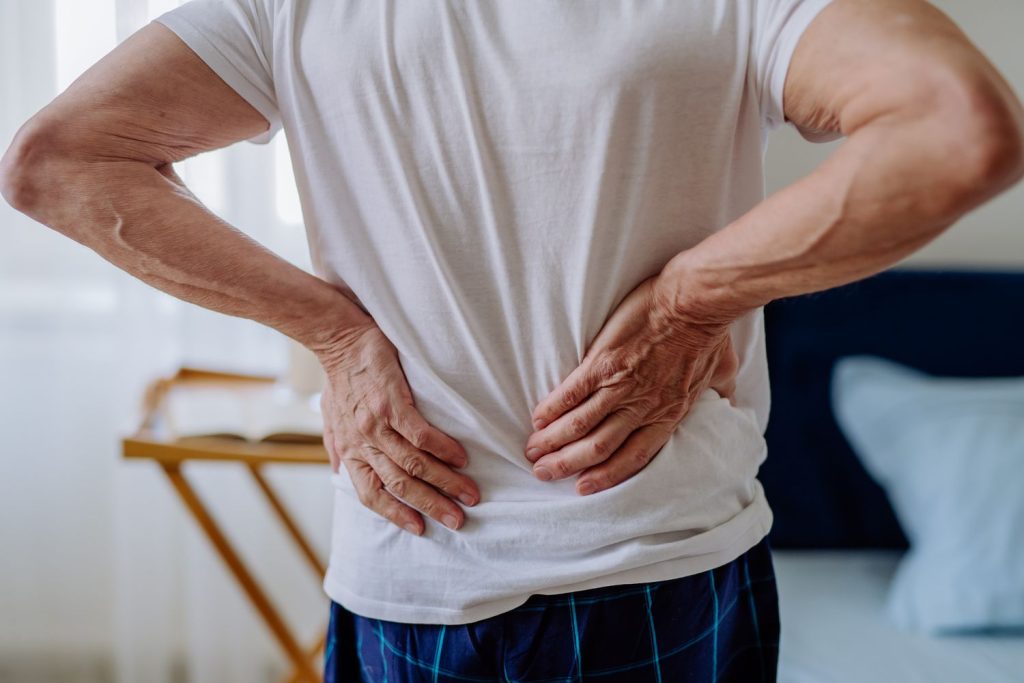
Symptoms vary depending on which nerve is affected and the severity of the disc herniation.
Common symptoms include:
- Lower back pain
- Pain radiating down one leg
- Numbness or tingling
- Muscle weakness
- Burning sensation
- Difficulty standing for long periods
- Pain when coughing or sneezing
- Reduced flexibility
Some individuals may experience only mild discomfort, while others find it difficult to perform everyday activities.
When Should You See a Physiotherapist?
Seek professional assessment if you experience:
- Back pain lasting more than two weeks
- Pain that radiates below the knee
- Persistent numbness or tingling
- Weakness in the leg or foot
- Difficulty walking normally
- Pain that interferes with sleep
- Recurrent episodes of back pain
Early intervention often leads to faster recovery and helps prevent the condition of slip disc from worsening.
Non-Surgical Treatment Options for Slip Disc
The good news is that many people with a slip disc recover without surgery. Conservative treatment is often the first choice, especially when symptoms are mild to moderate and there are no serious neurological complications
A comprehensive rehabilitation program may include:
- Physiotherapy
- Activity modification
- Pain management
- Therapeutic exercises
- Posture correction
- Lifestyle changes
The goal is not only to relieve pain but also to restore normal function and prevent future episodes.
7 Proven Ways Physiotherapy Helps Treat Slip Disc
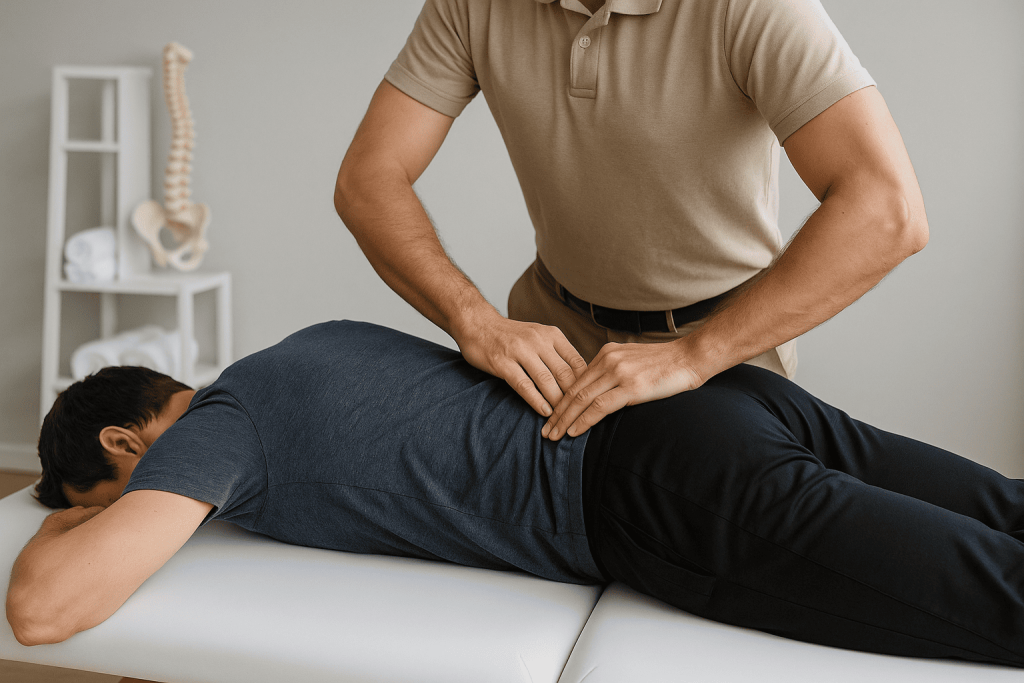
Physiotherapy is widely recommended as one of the most effective conservative treatments for spinal disc problems. Rather than simply masking pain, it focuses on addressing the underlying causes and improving spinal health.
1. Pain Management
One of the first priorities during physiotherapy is reducing pain so that patients can move more comfortably.
Depending on your condition, your physiotherapist may recommend various treatment modalities such as:
- TENS (Transcutaneous Electrical Nerve Stimulation)
- Therapeutic ultrasound
- Heat or cold therapy
- Shockwave therapy (when clinically appropriate)
- Manual therapy
These treatments help relieve muscle tension, reduce inflammation, improve circulation, and create a more comfortable environment for healing.
As pain decreases, patients often find it easier to perform rehabilitation exercises and resume daily activities.
2. Manual Therapy
A slip disc often causes surrounding muscles to become tight and protective, limiting movement and increasing discomfort.
Manual therapy involves hands-on techniques performed by a physiotherapist to improve joint mobility and reduce muscle stiffness.
Techniques may include:
- Soft tissue mobilization
- Joint mobilization
- Myofascial release
- Gentle spinal mobilization (when appropriate)
The benefits include:
- Reduced muscle tightness
- Improved flexibility
- Better spinal movement
- Reduced pain during daily activities
Manual therapy is always tailored to the patient’s condition and is performed only when clinically appropriate.
3. Individualised Exercise Rehabilitation
Exercise is one of the most important components of physiotherapy.
Many people believe they should avoid movement completely after developing back pain. However, prolonged inactivity may weaken muscles and delay recovery.
A physiotherapist will design an exercise program based on:
- Your symptoms
- Fitness level
- Pain severity
- Daily activities
- Recovery goals
Rehabilitation may include:
- Gentle stretching
- Mobility exercises
- Nerve gliding exercises
- Functional movement training
These exercises help restore flexibility, reduce stiffness, and improve overall spinal function.
4. Core Strengthening
Your core muscles act as the body’s natural support system for the spine.
Weak abdominal and back muscles place additional stress on the spinal discs, increasing the likelihood of recurring problems.
Core strengthening exercises help:
- Improve spinal stability
- Reduce pressure on the lumbar spine
- Enhance posture
- Improve balance
- Support daily movement
Examples include:
- Pelvic tilts
- Abdominal bracing
- Bird-dog exercises
- Modified bridges
A stronger core helps protect the spine during lifting, walking, and other everyday activities.
5. Posture and Movement Correction
Poor posture is a common contributor to spinal pain.
Many people spend hours:
- Sitting at a computer
- Driving
- Looking down at mobile phones
- Lifting incorrectly
These habits gradually increase stress on the spine.
A physiotherapist will assess your posture and movement patterns to identify habits that may be contributing to your symptoms.
You will receive practical advice on:
- Proper sitting posture
- Standing posture
- Safe lifting techniques
- Sleeping positions
- Workplace ergonomics
Small adjustments to daily habits can significantly reduce spinal strain and improve long-term recovery.
6. Improving Flexibility and Mobility
Muscle tightness often develops after a slip disc, particularly in the:
- Hamstrings
- Hip flexors
- Gluteal muscles
- Lower back
Reduced flexibility limits movement and may increase pressure on the spine.
Physiotherapy includes targeted stretching and mobility exercises to:
- Increase range of motion
- Improve muscle flexibility
- Reduce stiffness
- Restore normal movement patterns
Improved flexibility also helps patients perform daily tasks with greater ease.
7. Helping You Return to Daily Activities Safely
Recovery is about more than simply eliminating pain.
The ultimate goal is helping patients regain confidence in their daily lives.
Physiotherapists gradually guide patients back to activities such as:
- Walking
- Climbing stairs
- Working
- Driving
- Household chores
- Recreational exercise
Each physiotherapy program for slip disc progresses according to the patient’s recovery rather than following a fixed timeline.
Patients also learn strategies to protect their spine and reduce the risk of future injuries.
Can a Slip Disc Heal Without Surgery?
One of the most common questions patients ask is whether a slip disc can heal without surgery. The answer is yes—in many cases, it can.
Research has shown that many people with a slip disc improve over time with conservative treatment. As inflammation decreases and the body gradually adapts, pain and nerve irritation often become less severe. A structured physiotherapy program can support this natural recovery by improving movement, reducing muscle tension, and strengthening the muscles that support the spine.
Recovery time varies from person to person and depends on factors such as the severity of the slip disc injury, overall health, age, and commitment to rehabilitation. While some individuals notice improvement within a few weeks, others may require several months of consistent treatment and exercise.
When Is Surgery Necessary?
Although most of slip disc patients recover without surgery, there are situations where surgical intervention may be required.
You should seek immediate medical attention if you experience:
- Loss of bladder or bowel control
- Severe weakness in one or both legs
- Progressive numbness that continues to worsen
- Difficulty walking due to significant muscle weakness
- Severe pain that does not improve with conservative treatment
Your doctor or spine specialist will determine whether surgery is appropriate based on your symptoms, physical examination, and imaging results.
Even if surgery is required, physiotherapy remains an essential part of the recovery process. Pain Management session or Rehabilitation before and after surgery helps improve strength, restore mobility, and support a safe return to daily activities.
Why Choose Iswanah Physiotherapy?
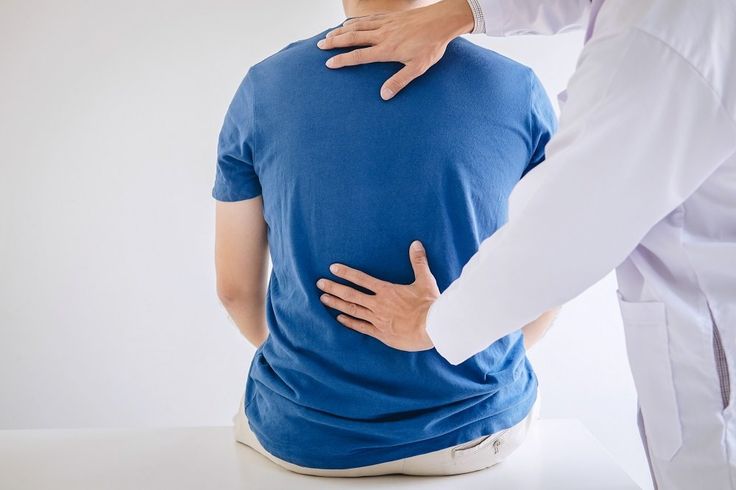
At Iswanah Physiotherapy, we understand that every patient experiences back pain differently. That’s why we provide personalised treatment plans based on a thorough assessment rather than a one-size-fits-all approach.
Our experienced physiotherapists focus on identifying the root cause of your symptoms and developing an evidence-based rehabilitation programme that suits your condition and lifestyle.
Our treatment approach may include:
- Comprehensive physiotherapy assessment
- Manual therapy
- Pain management modalities
- Therapeutic exercise programmes
- Core strengthening
- Postural correction
- Functional rehabilitation
- Patient education to prevent recurrence
Our goal is not only to reduce pain but also to restore movement, improve function, and help you return to work, sports, and everyday life with confidence.
Conclusion
Living with a slip disc can be physically and emotionally challenging, affecting your ability to work, exercise, sleep, and enjoy everyday activities. However, experiencing this condition does not mean you have to accept chronic pain or rely on surgery as the only solution. With an accurate diagnosis, timely intervention, and a personalised rehabilitation programme, many people are able to recover successfully and regain their quality of life.
Physiotherapy plays a crucial role in the recovery process by addressing the root cause of the problem rather than simply masking the symptoms. Through pain management techniques, manual therapy, therapeutic exercises, posture correction, and core strengthening, physiotherapy helps reduce pain, restore mobility, improve muscle strength, and support long-term spinal health. It also empowers patients with the knowledge and practical strategies needed to prevent future injuries and maintain an active lifestyle.
The key to achieving the best possible outcome for slip disc is seeking professional assessment as early as possible. Ignoring persistent back pain, numbness, tingling, or pain that radiates down the leg may allow the condition to worsen over time. Early treatment not only promotes faster recovery but also reduces the likelihood of long-term complications and recurring episodes.
At Iswanah Physiotherapy, our experienced physiotherapists are committed to providing evidence-based, personalised care tailored to your individual needs and recovery goals. Every treatment plan begins with a comprehensive assessment to identify the underlying cause of your symptoms, followed by a rehabilitation programme designed to help you recover safely and effectively.
If you are experiencing symptoms of a slip disc, don’t wait until the pain interferes with your daily life. Contact Iswanah Physiotherapy today to book your physiotherapy assessment. Let our dedicated team help you reduce pain, restore movement, strengthen your spine, and get back to doing the things you love with confidence.