Introduction: Understanding Physiotherapy for Gout
Physiotherapy for gout can help people manage joint stiffness, movement difficulties, muscle weakness, and physical limitations associated with gout. Gout is a type of inflammatory arthritis that develops when uric acid builds up in the body and forms crystals in and around the joints. These crystals can trigger sudden episodes of severe pain, swelling, redness, warmth, and tenderness. Although the big toe is commonly affected, gout can also involve the ankles, knees, wrists, fingers, and elbows.
For many people, gout is more than an occasional episode of joint pain. Repeated flare-ups may interfere with walking, standing, climbing stairs, working, exercising, and performing everyday activities. When symptoms persist or joint function becomes limited, an appropriate rehabilitation programme may help support movement and physical function.
Physiotherapy is not a direct treatment for the underlying uric acid imbalance that causes gout. Instead, it can complement medical management by addressing physical limitations, maintaining joint mobility when appropriate, improving muscle strength, and helping individuals return to their usual activities safely. The treatment approach should depend on the person’s symptoms, current stage of gout, medical history, and functional needs.
In this article, Iswanah Physiotherapy explains seven essential facts about physiotherapy for gout, including when rehabilitation may be useful, which exercises may be appropriate, what to avoid during a flare-up, and how professional guidance can support long-term joint health.
Fact 1: Gout Is an Inflammatory Condition That Can Affect More Than the Big Toe
Physiotherapy for gout can help people manage joint stiffness, movement difficulties, muscle weakness, and physical limitations associated with gout. Gout is a type of inflammatory arthritis that develops when uric acid builds up in the body and forms crystals in and around the joints. These crystals can trigger sudden episodes of severe pain, swelling, redness, warmth, and tenderness. Although the big toe is commonly affected, gout can also involve the ankles, knees, wrists, fingers, and elbows.
For many people, gout is more than an occasional episode of joint pain. Repeated flare-ups may interfere with walking, standing, climbing stairs, working, exercising, and performing everyday activities. When symptoms persist or joint function becomes limited, an appropriate rehabilitation programme may help support movement and physical function.
Physiotherapy for gout is not a direct treatment for the underlying uric acid imbalance that causes gout. Instead, it can complement medical management by addressing physical limitations, maintaining joint mobility when appropriate, improving muscle strength, and helping individuals return to their usual activities safely. The treatment approach should depend on the person’s symptoms, current stage of gout, medical history, and functional needs.
In this article, Iswanah Physiotherapy explains seven essential facts about physiotherapy for gout, including when rehabilitation may be useful, which exercises may be appropriate, what to avoid during a flare-up, and how professional guidance can support long-term joint health.
What Is Gout?
When gout affects the foot or ankle, walking may become difficult because each step places pressure on the affected area. Standing for long periods, using stairs, or moving around the workplace may also become uncomfortable.
If the knee is affected, activities such as sitting down, standing up, squatting, or climbing stairs may be more challenging. Gout affecting the hands or wrists can interfere with gripping objects, opening containers, writing, or performing tasks that require fine hand movements.
These limitations may lead some people to reduce their physical activity. Over time, prolonged inactivity can contribute to muscle weakness, reduced endurance, and stiffness in areas that are not directly affected by the gout attack.
This is where physiotherapy for gout may have a supportive role. Once the acute inflammation has settled sufficiently, an appropriately planned rehabilitation programme can help address movement difficulties and restore functional ability.
Why Understanding the Condition Matters Before Physiotherapy
Not all joint pain is caused by gout. Other conditions, including joint infections, other forms of arthritis, and injuries, may produce similar symptoms. A sudden, hot, swollen joint should not automatically be assumed to be a gout flare, particularly if it is the first episode.
A medical professional can assess the symptoms, review the person’s medical history, and arrange investigations when necessary to establish the diagnosis. This is important because the appropriate treatment depends on the underlying cause.
Understanding the condition also helps a physiotherapist determine whether the person is ready for rehabilitation or needs medical assessment first.
Fact 2: Physiotherapy for Gout Can Support Joint Mobility and Everyday Function
Why Joint Mobility Matters
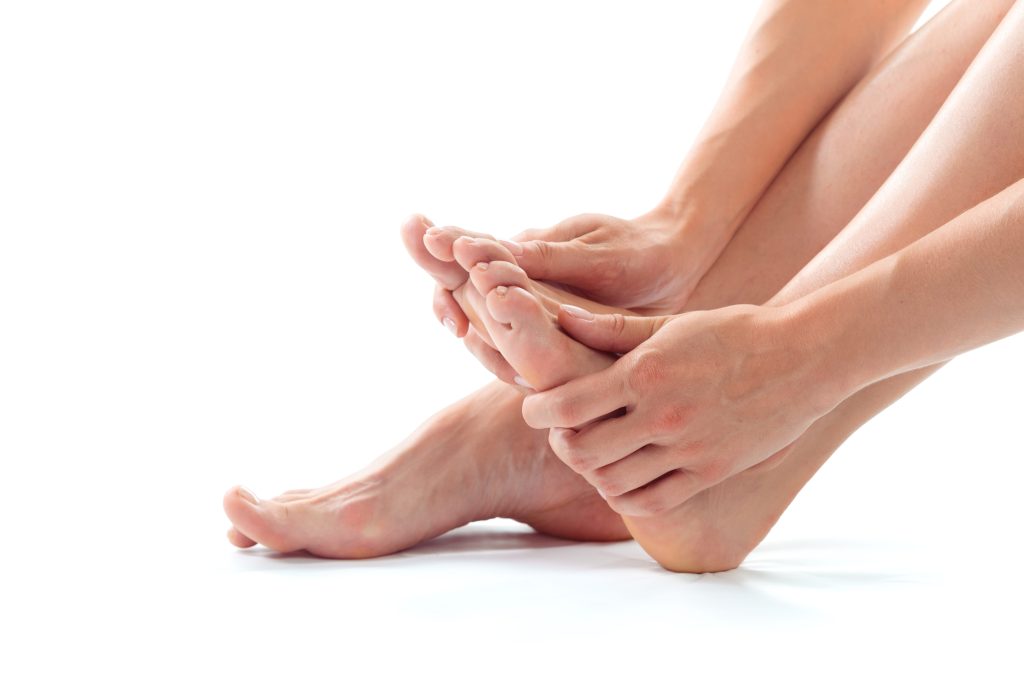
Joint mobility refers to how comfortably and effectively a joint moves through its available range of motion. During a gout flare, inflammation and pain can significantly restrict movement. A person may find it difficult to bend the knee, move the ankle, or place the foot flat on the floor.
Even after the initial pain improves, some individuals may continue to experience stiffness or reduced confidence when moving the affected joint. Repeated episodes may also affect their usual walking pattern and willingness to participate in physical activities.
Physiotherapy for gout can help address these physical limitations when the acute flare has settled and movement is considered appropriate. A physiotherapist may assess joint mobility, muscle strength, balance, walking ability, and the person’s capacity to complete daily tasks.
The objective is not to force a painful joint to move. Instead, rehabilitation should progress gradually according to the person’s symptoms and tolerance.
How Physiotherapy May Help Improve Mobility
Depending on the affected joint and the stage of recovery, a physiotherapist may introduce gentle range-of-motion exercises. These movements are designed to maintain or gradually improve the available movement without placing unnecessary stress on the joint.
For example, someone recovering from a gout flare affecting the ankle may benefit from gentle ankle movements once the pain and swelling have sufficiently improved. A person with knee involvement may gradually work on comfortable knee bending and straightening.
The exercises selected will depend on the individual’s condition. A movement that is appropriate for one person may not be suitable for another, particularly if significant swelling, joint damage, or other medical conditions are present.
A physiotherapist may also assess walking mechanics. If foot or ankle pain has caused someone to place more weight on the opposite leg, the resulting movement pattern may contribute to discomfort elsewhere. Rehabilitation can help the individual gradually return to a more comfortable and appropriate walking pattern as symptoms allow.
Supporting Independence in Daily Activities
Improved joint mobility can make practical activities easier to perform. These may include walking around the house, getting out of a chair, using stairs, preparing meals, and returning to work.
For people who have experienced repeated gout attacks, regaining confidence in movement is also important. They may worry that physical activity will trigger another painful episode. Appropriate education and a gradual return to activity can help them understand how to remain active without unnecessarily overloading their joints.
However, improvements depend on several factors, including the severity and duration of gout, the extent of joint damage, other health conditions, and the consistency of medical treatment and rehabilitation.
Physiotherapy for gout should therefore be viewed as a supportive component of care rather than a guaranteed solution for gout symptoms.
Fact 3: The Right Exercises Can Help Maintain Strength and Physical Fitness
Why Exercise Is Important for People With Gout
Regular physical activity supports muscle strength, joint function, cardiovascular health, balance, and general wellbeing. For individuals living with gout, suitable exercise may help them remain active and reduce the physical effects associated with inactivity.
However, exercise must be adapted to the person’s current condition. During an acute gout flare, the affected joint may be too painful and inflamed for normal exercise. Trying to walk long distances, perform intense workouts, or repeatedly load the painful joint may worsen discomfort.
Once the flare has settled, a gradual return to appropriate physical activity may help maintain strength and mobility.
The purpose of physiotherapy for gout is to identify suitable movements and activity levels according to the individual’s symptoms and functional goals.
Low-Impact Exercise
Low-impact exercise places less repetitive stress on the joints than many high-impact activities. Depending on the person’s health and the joints affected, suitable options may include stationary cycling, swimming, or exercising in water.
Stationary cycling may be considered for some individuals who can comfortably pedal without aggravating knee, ankle, or foot symptoms. Water-based exercise can reduce the amount of body weight placed through the lower limbs, although it may not be appropriate for everyone.
Walking can also be a useful form of physical activity when the affected foot, ankle, or knee can tolerate weight-bearing comfortably. However, walking should not be forced during an acute flare.
The appropriate exercise depends on the individual’s mobility, balance, cardiovascular fitness, and other medical conditions. A physiotherapist can help determine which activities are suitable and how to increase activity gradually.
Strengthening Exercises
Muscle strength is important for maintaining stability and supporting everyday movement. If someone has reduced their activity for an extended period because of repeated gout attacks, they may experience weakness in the legs and reduced endurance.
Once symptoms allow, a physiotherapist may introduce gentle strengthening exercises targeting the muscles around the hips, thighs, calves, or other relevant areas. These exercises may help improve the person’s ability to stand, walk, climb stairs, and perform other daily activities.
Examples may include supported sit-to-stand practice, gentle resistance exercises, or other functional movements selected according to the person’s needs.
The exercises should be performed with appropriate technique and progressed gradually. Excessive resistance, sudden increases in training intensity, or movements that aggravate joint pain should be avoided.
Balance and Functional Training
People who have experienced painful foot or ankle flare-ups may change how they stand or walk. Some may become less confident when moving on uneven surfaces or using stairs.
Balance and functional training may be considered when appropriate to help improve coordination, movement control, and confidence during everyday tasks.
For example, a physiotherapist may introduce supported standing activities, controlled weight shifting, or supervised walking practice after the acute symptoms have settled.
These activities should be adapted to the person’s balance ability and risk of falling. Individuals with significant pain or difficulty bearing weight should be assessed before attempting such exercises.
Fact 4: Physiotherapy Must Be Adapted During an Acute Gout Flare
Recognising an Acute Gout Flare
An acute gout flare is a period when gout symptoms become suddenly worse. The affected joint may be extremely painful, red, swollen, warm, and sensitive to touch. Some people experience difficulty standing or walking because even small movements or light pressure can cause considerable discomfort.
During this stage, the priority is to obtain appropriate medical treatment and avoid aggravating the inflamed joint. Physiotherapy exercises that place pressure on the affected area may be inappropriate until the symptoms have settled.
Understanding when to rest and when to resume movement is an important part of managing gout safely.
Why Intense Exercise Should Be Avoided
When a joint is acutely inflamed, activities such as running, jumping, heavy resistance training, and prolonged walking can place unnecessary stress on the affected area.
Attempting to push through severe pain is not recommended. Pain during an acute flare should not be treated as a sign that the joint needs more exercise.
For example, if the big toe is severely swollen and painful, repeatedly pushing off the foot during walking may increase discomfort. Similarly, exercises that require repeated bending or loading of a severely inflamed knee may be unsuitable.
A physiotherapist should modify or postpone activities that aggravate symptoms and advise the person to seek medical review when necessary.
What Can Be Done During a Flare?
During an acute flare, general self-care measures may include resting the affected joint, elevating the limb when comfortable, and applying a cold pack wrapped in a towel for short periods. Cold application should be used carefully, especially in people with reduced sensation or circulation problems.
Avoid applying ice directly to the skin, and stop if the cold causes excessive discomfort or skin changes. A clinician can advise whether cold therapy is suitable for an individual’s circumstances.
Prescribed gout medication should be taken according to the treating healthcare professional’s instructions. Medication may be needed to manage the acute inflammation, and people should not stop or change prescribed treatment without appropriate medical advice.
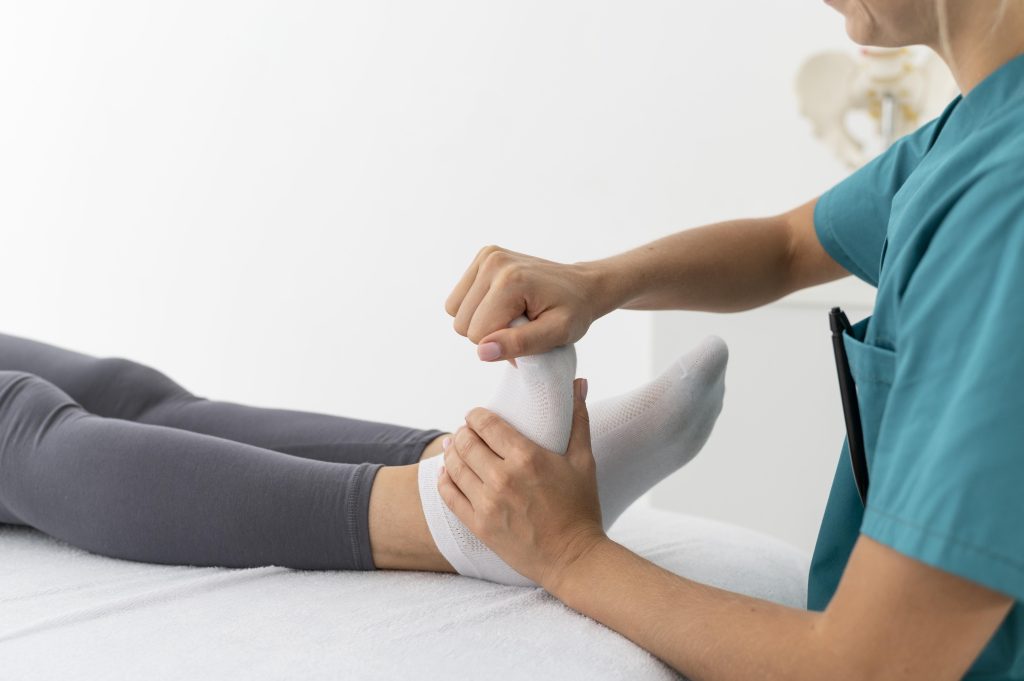
Physiotherapy during this period may focus on general guidance, safe positioning, and advice about protecting the affected joint rather than active exercises. The precise approach depends on the person’s symptoms and clinical assessment.
Fact 5: Physiotherapy for Gout Works Alongside Medical Treatment, Not as a Replacement
What Can Be Done During a Flare?
Gout is associated with uric acid crystal formation in and around the joints. Physiotherapy can address movement limitations, strength, and physical function, but it does not remove uric acid crystals or directly correct elevated uric acid levels.
Medical management is therefore essential for controlling acute attacks and reducing the risk of future episodes.
Depending on the individual’s condition, a doctor may prescribe medication to manage an acute flare, such as a non-steroidal anti-inflammatory drug, colchicine, or a corticosteroid. The choice depends on factors such as kidney function, other medical conditions, current medication, and the person’s treatment history.
For people who require long-term management, urate-lowering medication may be recommended to reduce uric acid levels and help prevent further attacks. Such treatment should be taken according to medical instructions, even when symptoms improve, unless the treating clinician advises otherwise.
The Role of Physiotherapy in a Combined Care Plan
A combined care approach addresses both the underlying medical condition and its effects on physical function.
Medical treatment focuses on controlling inflammation and managing uric acid levels. Physiotherapy focuses on the movement-related difficulties that may develop during or after gout episodes.
For example, a person recovering from repeated ankle flare-ups may have reduced calf strength, limited ankle movement, or difficulty walking for longer periods. After the acute inflammation is appropriately managed, a physiotherapist may help the person work towards improving these functional limitations.
Someone with knee involvement may need support with stair climbing, standing from a chair, or gradually returning to regular physical activity.
The rehabilitation programme should be coordinated with the person’s medical care when necessary, especially if they have chronic kidney disease, diabetes, cardiovascular disease, or other conditions that affect exercise safety.
Why Follow-Up Is Important
Gout management often requires ongoing monitoring. Medical follow-up may involve reviewing symptoms, measuring serum urate levels, assessing medication effectiveness, and considering other health conditions that may influence treatment.
Physiotherapy follow-up serves a different but complementary purpose. It allows the physiotherapist to review movement, assess functional progress, adjust exercises, and identify activities that remain difficult.
If a person experiences a new flare during rehabilitation, the exercise programme may need to be modified until the symptoms are assessed and controlled.
This collaborative approach helps ensure that rehabilitation remains appropriate as the person’s condition changes.
For evidence-based recommendations, consult the NICE guideline on gout and discuss individual treatment options with a qualified medical professional.
Fact 6: Lifestyle Habits Can Support Joint Health and Long-Term Gout Management
Maintaining a Healthy Weight
Excess body weight may increase the mechanical load placed on weight-bearing joints such as the knees, hips, and feet. It is also associated with a higher risk of gout and may contribute to other health problems.
For people with gout, gradual weight management may support general health and make physical activity more comfortable. However, rapid weight loss, crash diets, and extreme fasting are not recommended because they may adversely affect uric acid levels or trigger gout attacks in some circumstances.
A balanced approach involving sustainable eating habits and appropriate physical activity is generally preferable. Individuals with other medical conditions should seek personalised advice from their healthcare team.
Physiotherapy for gout can support this process by helping people identify safe forms of exercise and build activity levels gradually according to their physical abilities.
Staying Hydrated
Dehydration is one factor associated with gout attacks. Maintaining adequate fluid intake can support normal bodily functions and help reduce the risk of dehydration-related problems.
Water is a practical everyday choice for many people. However, fluid requirements vary, and individuals with kidney disease, heart failure, or a medical fluid restriction should follow their clinician’s advice rather than deliberately increasing fluid intake.
Hydration alone does not treat gout or replace prescribed urate-lowering medication.
Protecting the Joints During Everyday Activities
Small adjustments can make daily activities more manageable while a person recovers from gout.
These may include wearing comfortable footwear, avoiding prolonged pressure on a painful joint, using appropriate support when necessary, and taking breaks during activities that cause discomfort.
If walking is difficult, a healthcare professional can assess whether a walking aid or temporary modification to daily activities may be helpful. Footwear and assistive devices should be selected according to the person’s needs rather than used as a substitute for medical assessment.
Ultimately, lifestyle measures work best as part of a comprehensive plan that includes appropriate medical management and rehabilitation when indicated.
Fact 7: A Personalised Physiotherapy Programme Can Help Address Individual Recovery Goals
Why One Programme Does Not Fit Everyone
Gout varies considerably between individuals. Some people experience occasional attacks affecting one joint, while others develop recurrent episodes involving several joints. Some may return to normal activity after a flare, whereas others experience persistent stiffness, reduced strength, or limitations related to chronic gout.
The appropriate physiotherapy for gout programme therefore depends on the person’s symptoms, stage of recovery, functional limitations, and overall health.
A personalised programme begins with an assessment rather than immediately prescribing exercises. This helps identify which movements are limited, what activities are difficult, and whether any symptoms require further medical review before rehabilitation begins.
What Happens During a Physiotherapy Assessment?
A physiotherapist may begin by discussing the person’s symptoms, medical diagnosis, history of gout attacks, current medication, and previous treatment. They may ask which joints are affected and how symptoms influence walking, standing, working, sleeping, and other daily activities.
The physical assessment may include observing movement, checking joint mobility where appropriate, assessing muscle strength, and reviewing balance or walking ability. During an acute flare, hands-on testing or movement that places pressure on the inflamed joint may be avoided.
The physiotherapist should also consider relevant medical conditions, such as diabetes, kidney disease, cardiovascular disease, or reduced sensation, which may affect the safety of certain exercises or treatment techniques.
If the symptoms suggest a possible medical emergency or a condition outside the scope of physiotherapy, the person should be referred for appropriate medical assessment.
How Iswanah Physiotherapy Can Support Your Recovery
At Iswanah Physiotherapy, individuals experiencing movement difficulties associated with gout can enquire about an assessment to discuss their functional concerns and rehabilitation needs.
A physiotherapy assessment can help determine whether movement limitations, muscle weakness, reduced balance, or difficulties with everyday activities may benefit from a tailored rehabilitation approach. The treatment plan should be based on the individual’s condition and suitability for physiotherapy for gout.
Depending on the assessment findings, rehabilitation may focus on appropriate exercises, movement education, strengthening, mobility, and functional activities. Treatment should be adjusted to the person’s tolerance, particularly if they have recently experienced a gout flare.
Physiotherapy is not a substitute for medical diagnosis or medication to control gout. Patients should continue to follow their doctor’s recommendations and seek medical advice if symptoms are severe, new, or worsening.
Conclusion: Take a Practical Approach to Managing Gout
Gout can affect more than joint comfort. Repeated attacks may make walking, standing, exercising, and completing everyday activities increasingly difficult. Understanding the condition and receiving appropriate medical care are important steps towards managing symptoms and protecting joint health.
Physiotherapy for gout can play a supportive role by addressing movement limitations, maintaining strength, improving functional mobility, and helping individuals return to appropriate physical activity after an acute flare has settled. However, exercises must be tailored to the person’s symptoms, and severe inflammation should not be pushed through.
The most effective overall approach combines appropriate medical management, healthy lifestyle habits, suitable physical activity, and rehabilitation when indicated. Regular follow-up with healthcare professionals can help ensure that treatment remains appropriate as the person’s condition changes.
If gout-related stiffness, weakness, or movement difficulties are affecting your daily routine, consider discussing your needs with a qualified healthcare professional. Contact Iswanah Physiotherapy to enquire about an assessment and learn whether an individualised physiotherapy programme may be suitable for your condition.
Physiotherapy for gout, Physiotherapy for gout, Physiotherapy for gout, Physiotherapy for gout, Physiotherapy for gout,
Your joint health matters. With appropriate medical care and a carefully planned rehabilitation approach, you can work towards maintaining mobility, independence, and a more active daily life.