INTRODUCTION
Can’t reach behind your back, brush your hair or even sleep comfortably because of a stiff, painful shoulder? You may have frozen shoulder. The good news is that physiotherapy for frozen shoulder is a proven, safe and effective way to reduce pain, restore movement and get you back to normal life. In this guide, you’ll learn the symptoms, the stages, the best frozen shoulder treatment options and simple exercises you can start today.
What Is Frozen Shoulder?
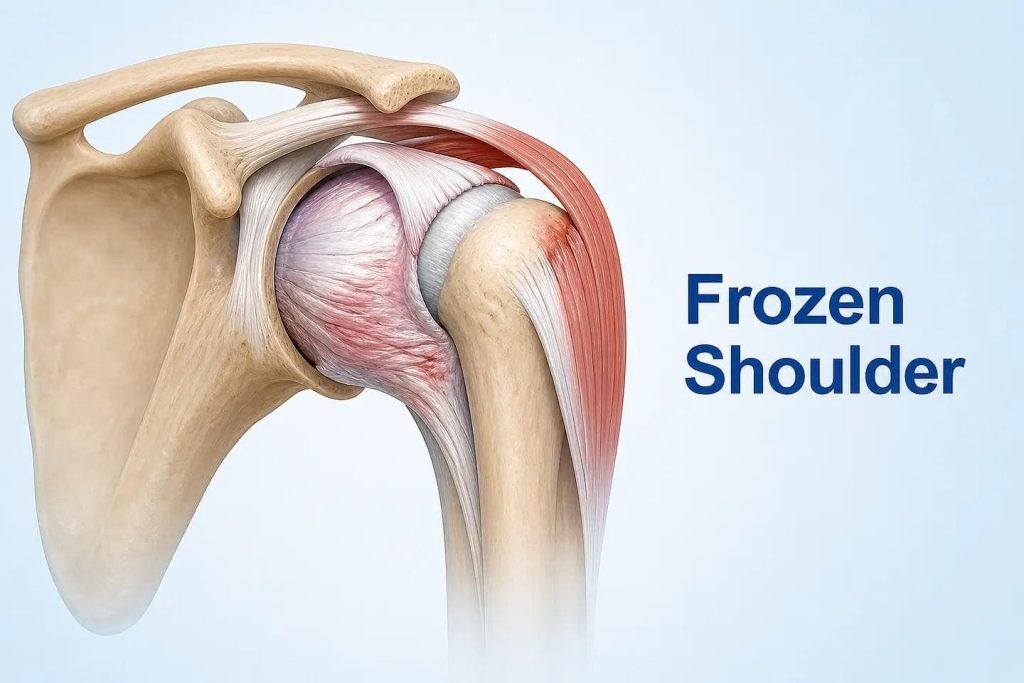
Frozen shoulder, medically known as adhesive capsulitis, happens when the capsule around the shoulder joint becomes thick, tight and inflamed. This causes pain and severe stiffness that gets worse over time. It most commonly affects people aged 40 to 60, and women are affected more often than men.
Common risk factors include:
- Diabetes and thyroid disorders
- Long periods of shoulder immobility after injury or surgery
- Stroke or heart disease
- A previous shoulder injury
Frozen Shoulder Symptoms You Should Not Ignore
Symptoms develop gradually and can be disruptive. Watch for:
- Dull, aching or sharp shoulder pain, often worse at night
- Difficulty lifting your arm overhead or behind your back
- Limited movement, even when someone else tries to move your arm
- Trouble with daily tasks like dressing, showering or driving
The 3 Frozen Shoulder Stages
Knowing the stage helps you understand what to expect from treatment.
- Freezing stage: Pain increases and movement starts to reduce. This can last 6 weeks to 9 months.
- Frozen stage: Pain may ease, but the shoulder becomes very stiff. This can last 4 to 12 months.
- Thawing stage: Movement slowly returns. This can take 6 months to 2 years.
How Does Physiotherapy for Frozen Shoulder Work?
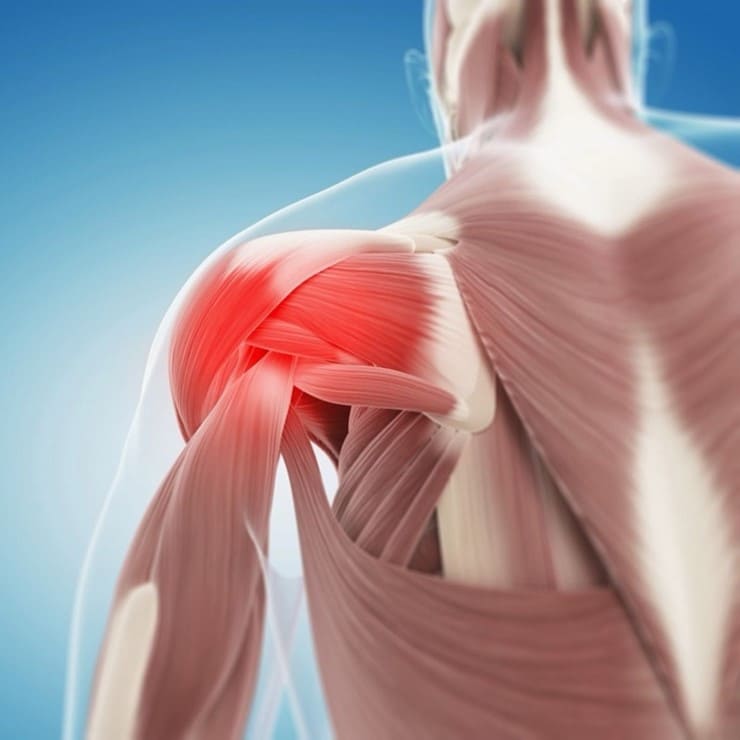
Physiotherapy is the first-line, expert-recommended treatment for frozen shoulder. A physiotherapist will assess your stage, pain level and range of motion, then build a personalised plan to deliver real shoulder pain relief and lasting results.
Powerful techniques used in physiotherapy for frozen shoulder include:
- Manual therapy and joint mobilisation: Hands-on techniques that loosen the tight joint capsule and improve movement.
- Pain-relief modalities: Heat therapy, TENS or ultrasound to calm pain and inflammation.
- Stretching exercises: Gentle, controlled stretches to lengthen tight tissue.
- Strengthening exercises: Build the muscles around the shoulder for better stability and function.
- Posture and daily activity advice: Smart tips for sleeping, working and moving without aggravating your pain.
Your treatment changes with each stage. During the freezing stage, the focus is on pain control and gentle movement. During the frozen and thawing stages, stretching and strengthening take priority for faster recovery.
5 Simple Frozen Shoulder Exercises You Can Do at Home
Home exercises are essential for speeding up recovery. Warm your shoulder first with a warm shower or heat pack for about 10 minutes. Move slowly and stop if you feel sharp pain.
- Pendulum swing: Lean forward, let your affected arm hang, and gently swing it in small circles for 1 minute.
- Towel stretch: Hold a towel behind your back and use your good arm to gently pull the affected arm upward.
- Cross-body stretch: Use your other hand to pull the affected arm across your chest and hold for 15 to 20 seconds.
- Wall finger walk: Face a wall and slowly “walk” your fingers upward until you feel a stretch.
- Stick external rotation: Lie on your back, hold a stick with both hands and gently push the affected arm outward.
Repeat each exercise 5 to 10 times, once or twice daily, or as advised by your physiotherapist.
When Should You See a Physiotherapist or Doctor?
See a professional if your shoulder pain lasts more than a week, disturbs your sleep or limits daily activities. The sooner you start physiotherapy for frozen shoulder, the better your chances of a fast and full recovery.
If shoulder pain comes with chest pain, shortness of breath or cold sweats, go to the emergency department immediately, as it could signal a heart problem. In stubborn cases, a doctor may recommend corticosteroid injections or other procedures alongside physiotherapy.
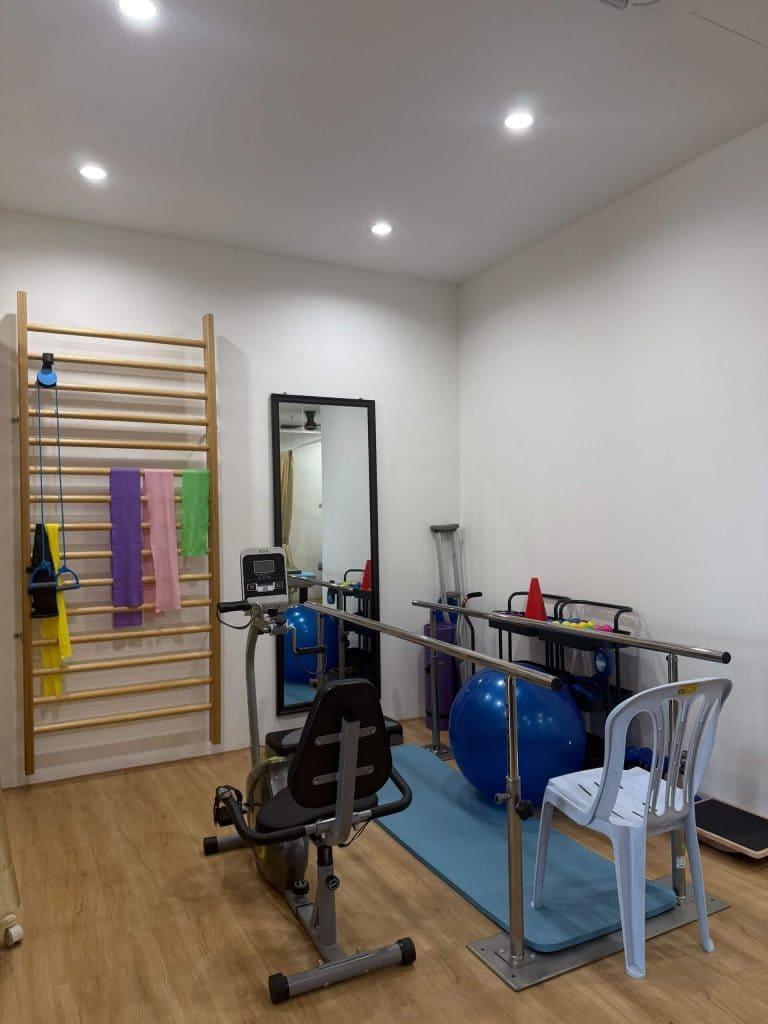
Why Choose Iswanah Fisioterapi?
Every shoulder is different, and so is every recovery. At Iswanah Fisioterapi, we focus on:
- Thorough assessment: We identify your frozen shoulder stage before starting treatment.
- Personalised treatment plans: Hands-on therapy and exercises matched to your pain level and goals.
- Clear guidance: Simple home programmes so you can keep improving between sessions.
- Caring, expert support: We track your progress and adjust your plan as your shoulder improves.
Frequently Asked Questions
How long does frozen shoulder take to heal?
Without treatment, it can take 1 to 3 years. With consistent physiotherapy, recovery is usually smoother and pain is better controlled.
Can frozen shoulder go away on its own?
It can improve slowly, but it often takes a long time and the shoulder may stay stiff. Physiotherapy helps speed up and support recovery.
Is physiotherapy for frozen shoulder painful?
You may feel some discomfort during stretching, but your physiotherapist adjusts the intensity to your comfort level.
What is the best exercise for frozen shoulder?
There is no single best exercise. Gentle stretches like the pendulum swing and towel stretch are a safe starting point, but your physiotherapist will tailor the programme to your stage.
Conclusion
Frozen shoulder can be frustrating, but it is treatable. With the right physiotherapy for frozen shoulder and regular home exercises, you can reduce pain, regain movement and return to the activities you love. Don’t wait until your shoulder is completely stiff. Book your physiotherapy assessment with Iswanah Fisioterapi today and start your recovery.