INTRODUCTION
Sport injury treatment is important for anyone who experiences injuries while staying active, not just professional athletes. Whether you enjoy running, badminton, futsal, football, cycling, going to the gym, or simply staying active, injuries involving the muscles, joints, ligaments, and tendons can affect your movement and daily activities. Getting the right sport injury treatment can help reduce pain, restore mobility, support the healing process, and help you return to your normal activities safely.
Getting the right Sport Injury Treatment is important to support recovery, restore movement, improve strength, and reduce the risk of the same injury happening again.
At Iswanah Health Care (IHC), sports injury treatment may include physiotherapy, rehabilitation exercises, acupuncture, and other suitable approaches based on each individual’s condition.
What Is a Sports Injury?
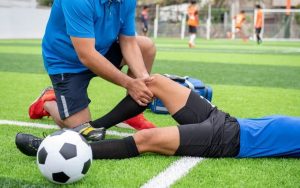
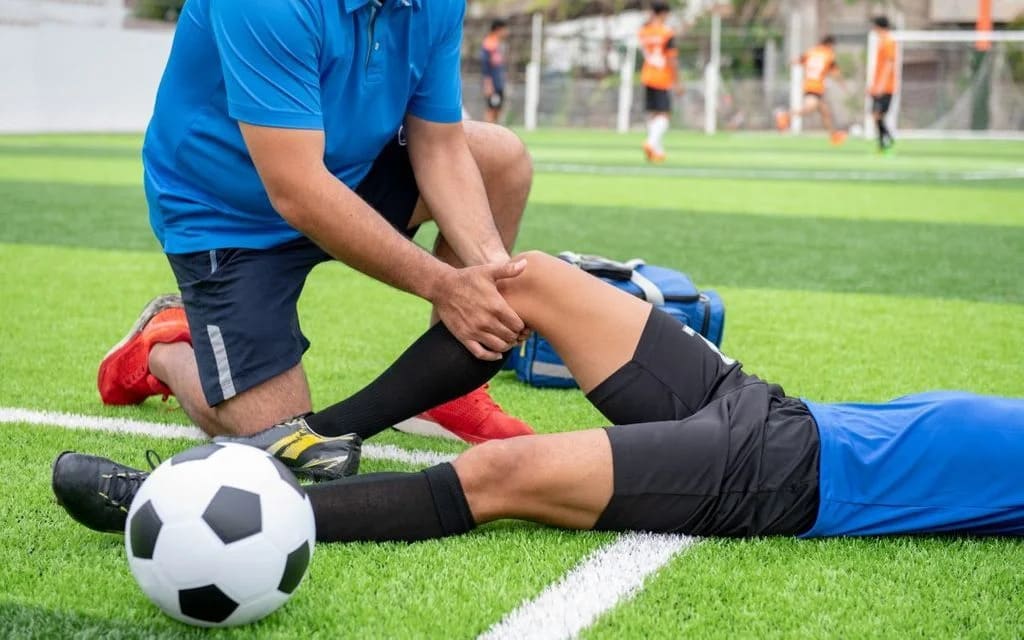
A sports injury is an injury that occurs during exercise, physical activity, training, or sports
Some injuries happen suddenly due to a fall, impact, awkward movement, incorrect landing, or sudden twisting, while others develop gradually due to repetitive movements, overuse, excessive training, or continued stress on certain muscles and joints. In both cases, appropriate sport injury treatment can help support recovery and restore physical function.
Sports injuries may range from mild muscle strains to more significant injuries involving ligaments, tendons, or joints.
Common Types of Sports Injuries
Some of the most common sports injuries include
- Ankle sprain
- Knee pain
- Knee injury
- Muscle strain
- Hamstring injury
- Shoulder injury
- Tennis elbow
- Achilles tendon pain
- Shin splints
- Lower back pain
- Plantar fasciitis
- Ligament injuries
- Muscle tightness
- Joint stiffness
- Overuse injuries
The symptoms and recovery period will depend on the type and severity of the injury.
What Causes Sports Injuries?
Sports injuries can happen for many different reasons.
Common contributing factors include:
- Not warming up properly before exercise
- Incorrect exercise or sports technique
- Overtraining
- Repetitive movements
- Sudden changes in training intensity
- Muscle weakness
- Poor flexibility
- Poor balance or stability
- Wearing unsuitable footwear
- Returning to sports too soon after an injury
- Previous injuries that have not fully recovered
In some cases, pain may keep returning because the underlying weakness or movement problem has not been properly addressed through an appropriate sport injury treatment plan.
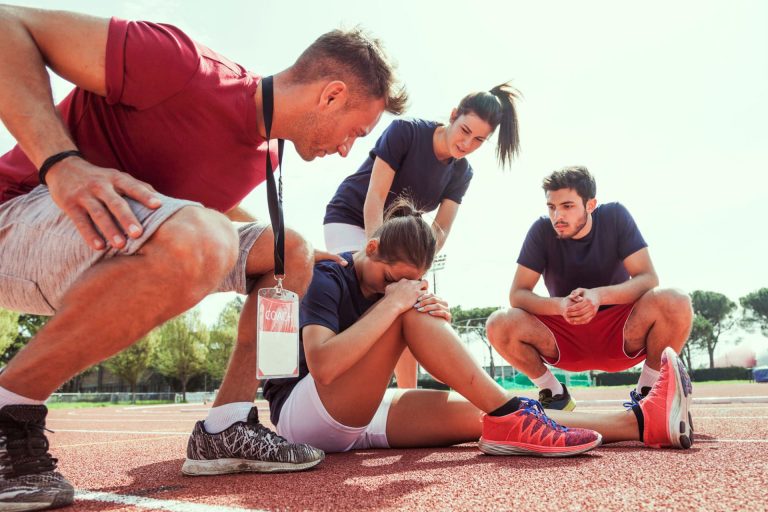
Signs and Symptoms of a Sports Injury
Sports injury symptoms may vary depending on the affected area and severity of the injury.
Common symptoms include:
- Pain during movement
- Pain after exercise
- Swelling
- Bruising
- Muscle tightness
- Joint stiffness
- Reduced range of motion
- Muscle weakness
- Difficulty walking or running
- Pain when climbing stairs
- Difficulty performing certain movements
- Recurring pain during sports or exercise
If your pain does not improve, becomes more severe, or starts affecting your daily activities, it may be helpful to get the condition assessed and consider appropriate sport injury treatment.
How Can Physiotherapy Help with Sports Injuries?
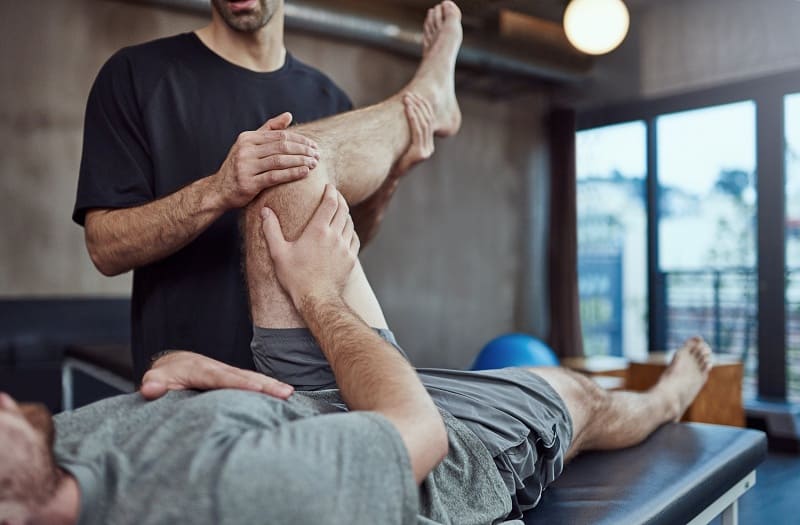
Physiotherapy is commonly used as part of sports injury rehabilitation.
The main goal of sport injury treatment is to help restore movement, strength, flexibility, stability, and physical function so that the individual can gradually return to normal activities safely.
Before starting sport injury treatment, a physiotherapist may assess the injured area, pain level, range of motion, muscle strength, balance, posture, and overall movement.
A treatment and rehabilitation programme can then be planned according to the individual’s condition and recovery goals.
1. Pain Management
Sports injuries can cause pain, muscle tightness, and discomfort during movement, making proper sport injury treatment important to support recovery and improve physical function.
Depending on the condition, physiotherapy techniques may be used to help manage pain and improve comfort during daily activities.
Managing pain is often an important early part of rehabilitation before progressing to strengthening and functional exercises
2. Restore Range of Motion
After an injury, many people naturally avoid certain movements because they are painful.
However, avoiding movement for too long may contribute to stiffness and reduced mobility.
A physiotherapy programme may include stretching, mobility exercises, and controlled movements to gradually restore range of motion.
3. Improve Muscle Strength
Muscle weakness can place additional stress on the joints and surrounding tissues.
Strengthening exercises are therefore an important part of many sport injury treatment and rehabilitation programmes.
Improving strength can help provide better support and stability around the injured area.
4. Improve Balance and Stability
Balance and stability are particularly important for injuries involving the ankle, knee, hip, and lower limbs.
For example, after an ankle sprain, a person may feel unstable even after the pain has reduced
Balance and coordination exercises can be included during rehabilitation to improve control and prepare the body for more demanding activities.
5. Improve Flexibility and Mobility
Tight muscles and limited joint mobility may affect movement patterns and increase stress on other parts of the body.
Stretching and mobility exercises may help improve flexibility and allow the body to move more comfortably.
6. Support a Safe Return to Sports
Feeling less pain does not necessarily mean that the body is completely ready to return to sports.
Before returning to full activity, factors such as strength, flexibility, balance, stability, endurance, and movement control should be considered.
A gradual return-to-sport programme may help the body adapt to increasing levels of activity.
7. Reduce the Risk of Re-Injury
Sport Injury Treatment is not only about reducing pain.
A physiotherapy assessment may also help identify factors that could contribute to recurring injuries, such as:
- Muscle weakness
- Poor balance
- Limited mobility
- Poor movement patterns
- Reduced flexibility
- Incorrect exercise technique
Addressing these factors may help reduce the risk of the same injury happening again.
Should You Rest After a Sports Injury?
Rest may be necessary during the early stage of certain injuries, especially when there is pain, swelling, or difficulty moving, as part of an appropriate sport injury treatment plan.
However, the amount of rest required depends on the type and severity of the injury.
Prolonged inactivity may sometimes lead to muscle weakness, stiffness, and reduced physical function.
For this reason, rehabilitation is usually introduced progressively according to the individual’s condition.
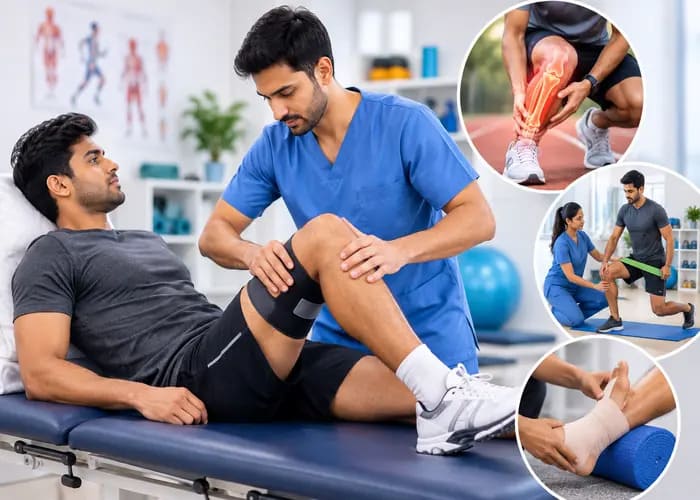
How Long Does a Sports Injury Take to Recover?
Recovery time varies from person to person..
There is no single recovery period that applies to every sports injury.
Recovery may depend on factors such as:
- Type of injury
- Severity of injury
- Area of the body affected
- Age
- Overall health
- Muscle strength
- Level of physical activity
- Previous injuries
- Consistency with rehabilitation
Minor injuries may improve relatively quickly with proper sport injury treatment, while injuries involving ligaments, tendons, or more significant tissue damage may require a longer rehabilitation period.
When Should You Seek Treatment for a Sports Injury?
You may consider getting your condition assessed if:
- Pain continues for several days
- Pain keeps returning
- Swelling does not improve
- Movement becomes limited
- The affected area feels weak
- You feel unstable when walking or exercising
- You cannot return to your normal sports activities
- The injury is affecting your daily routine
For severe pain, significant swelling, inability to bear weight, obvious deformity, numbness, or serious trauma, medical assessment should be obtained promptly.
When Can You Return to Sports?
Returning to sports depends on more than just whether the pain has disappeared.
Ideally, the injured area should have sufficient:
- Strength
- Flexibility
- Range of motion
- Balance
- Stability
- Coordination
- Endurance
Sport specific movements may also need to be tested before returning to full activity.
Returning too quickly may increase the risk of another injury.
A gradual approach is usually safer than immediately returning to the same level of training.
Why Early Assessment Is Important
Ignoring an injury and continuing to exercise through pain may sometimes make the condition worse, which is why seeking appropriate sport injury treatment is important for proper recovery.
Early assessment may help identify the affected structures and determine the appropriate rehabilitation plan.
It can also help address movement problems, muscle weakness, and other factors that may contribute to recurring pain.
Sport Injury Treatment at Iswanah Health Care
If you are experiencing pain after exercise, recurring sports injuries, muscle tightness, joint pain, or difficulty returning to your usual activities, you can get your condition assessed and receive suitable sport injury treatment at Iswanah Health Care (IHC).
At IHC, each individual’s condition is assessed before a suitable treatment plan is recommended.
Depending on the condition, treatment may include:
- Physiotherapy
- Rehabilitation exercises
- Strengthening exercises
- Mobility exercises
- Balance and stability training
- Acupuncture
- Individualised recovery programmes
Our goal is to support your recovery and help you return to your daily activities and sports as safely as possible.