Introduction
Muscle Pain is a common problem that can affect people of different ages and activity levels. Whether it develops after exercise, prolonged sitting, repetitive movements, physical work or an injury, muscle discomfort can make everyday activities more challenging. Simple movements such as bending, walking, lifting objects, climbing stairs or reaching overhead may become uncomfortable when the affected muscles are tight, weak or strained. While occasional muscle soreness may improve with rest and appropriate self-care, persistent or recurring discomfort may require further assessment to understand its underlying cause.
Physiotherapy is one approach that may help people manage muscle discomfort and improve their physical function. Through an individual assessment and suitable treatment plan, a physiotherapist can identify movement difficulties, assess muscle strength and flexibility, and recommend exercises or treatment techniques based on the person’s needs. Physiotherapy does not simply focus on the area that feels painful; it also considers how posture, movement patterns, muscle imbalances and daily activities may contribute to the problem.
In this article, we explore five key benefits of physiotherapy for muscle pain and explain how it may support better mobility, flexibility, strength and confidence in daily movement.
What Is Muscle Pain?
Muscle pain, also known as myalgia, refers to discomfort or soreness that develops in one or more muscles. It can affect a specific area, such as the neck, shoulders, back, arms or legs, or occur across several parts of the body. The sensation may feel like a dull ache, tightness, tenderness, stiffness or a sharper discomfort during certain movements.
The severity and duration of muscle pain can vary. Some people experience temporary soreness after physical activity, while others may have recurring discomfort that interferes with work, exercise, sleep or household responsibilities. The symptoms depend on the cause, the affected muscles and the individual’s overall health.
Common Causes of Muscle Pain
Muscle discomfort can develop for several reasons. One common cause is muscle overuse, which occurs when a person repeatedly uses the same muscles without sufficient recovery. This may happen during exercise, sports, manual work or activities that involve repetitive movements. Increasing exercise intensity too quickly or performing unfamiliar physical activities can also lead to delayed muscle soreness.
Poor posture and prolonged positioning may contribute to muscle tension. For example, sitting at a desk for extended periods, looking down at a phone or maintaining an awkward working position can place additional demands on certain muscles. Over time, this may contribute to discomfort around the neck, shoulders and back.
Muscle strains are another possible cause. A strain happens when muscle fibres are stretched beyond their normal capacity or become damaged. It may occur during lifting, sudden twisting, sports or an unexpected movement. Depending on the severity, a muscle strain can cause pain, tenderness, swelling and difficulty moving the affected area.
Other possible causes include inadequate recovery, stress-related muscle tension, certain medical conditions and some medications. Because muscle pain can have different causes, persistent or unexplained symptoms should not automatically be assumed to result from poor posture or overuse.
5 Key Benefits of Physiotherapy for Muscle Pain
1. Helps Reduce Muscle Discomfort and Tension
One of the main benefits of physiotherapy is helping individuals manage muscle discomfort that affects their daily activities. When muscles become overworked, strained or tense, simple movements such as turning the neck, raising the arms, bending forward or sitting for long periods may become uncomfortable. Through a physical assessment, a physiotherapist can identify the affected areas, evaluate muscle tenderness, flexibility and movement limitations, and understand possible factors contributing to the discomfort.
Based on the assessment, treatment may include therapeutic exercises, stretching, manual therapy or other suitable physiotherapy modalities. These approaches may help reduce muscle tension, improve movement comfort and support better physical function. A physiotherapist may also recommend home exercises, regular movement breaks and activity modifications to help individuals manage their symptoms and avoid placing unnecessary strain on the affected muscles.
2. Improves Flexibility and Range of Motion
Muscle tightness and stiffness can limit how comfortably a person moves. For example, tight shoulder muscles may make reaching overhead difficult, while reduced flexibility around the hips or legs may affect walking, bending and climbing stairs. When movement becomes restricted, individuals may start avoiding certain activities, which can gradually affect their physical fitness and confidence in performing everyday tasks.
Physiotherapy may help improve flexibility and range of motion through suitable stretching and mobility exercises. These exercises encourage the muscles and surrounding joints to move within a comfortable range, depending on the individual’s condition and physical ability. A physiotherapist can demonstrate the correct techniques and guide exercise progression to help improve movements such as reaching, turning, bending and getting up from a chair without placing excessive stress on the muscles.

3. Builds Muscle Strength and Supports Better Movement
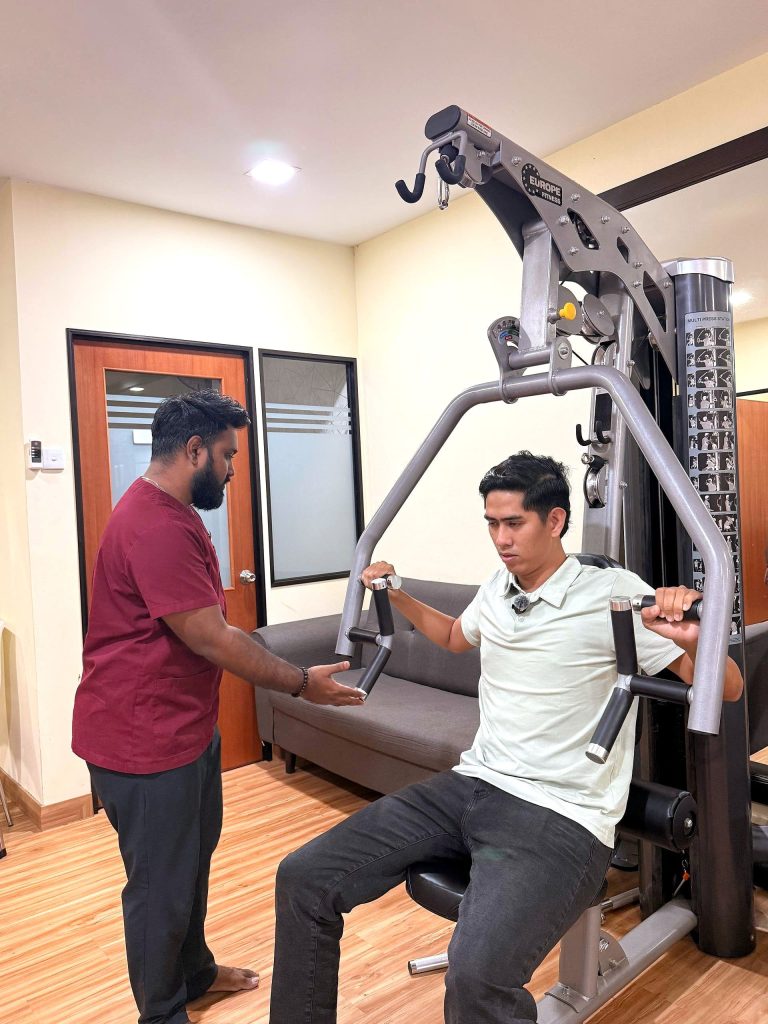
Muscle weakness can affect how well the body supports and controls movement during daily activities. For instance, weak hip muscles may affect walking and balance, while reduced shoulder strength can make lifting and reaching more challenging. Physiotherapy can help identify areas of weakness through an assessment and introduce a structured strengthening programme based on the individual’s needs and current physical ability.
The programme may include bodyweight exercises, resistance band activities and controlled strengthening movements to improve muscle function and coordination. Stronger muscles can provide better support during everyday activities such as walking, climbing stairs, carrying objects and standing for longer periods. Exercises are usually progressed gradually to avoid unnecessary strain and help individuals build strength safely according to their recovery and treatment goals.
4. Improves Posture and Movement Patterns
Daily habits such as prolonged sitting, repetitive movements, improper lifting techniques and maintaining the same position for too long may place additional demands on certain muscle groups. Over time, these habits can contribute to muscle tension, fatigue and recurring discomfort, particularly around the neck, shoulders and back. Physiotherapy can help identify movement patterns and physical limitations that may be contributing to these problems through posture, flexibility, strength and movement assessments.
Based on the findings, a physiotherapist may provide guidance on posture awareness, workstation adjustments, safer lifting techniques and suitable movement exercises. For example, office workers may be encouraged to adjust their sitting position and take regular movement breaks, while individuals who frequently lift heavy objects may benefit from learning better movement techniques. These adjustments can help reduce unnecessary muscle strain and encourage more comfortable movement throughout the day.
5. Supports Recovery and Helps Reduce the Risk of Recurring Discomfort
Recovering from muscle pain involves more than simply waiting for the discomfort to disappear. Depending on the underlying cause, individuals may need to restore flexibility, rebuild muscle strength and gradually return to their usual activities. Physiotherapy provides structured guidance throughout this process, allowing a physiotherapist to recommend suitable exercises, monitor progress and adjust the treatment plan according to the individual’s response.
Physiotherapy also focuses on educating individuals about proper activity management, muscle recovery and ways to avoid excessive physical strain. A personalised home exercise programme may help maintain improvements in strength, flexibility and movement after treatment sessions. By addressing contributing factors such as muscle weakness, limited flexibility and repetitive movement habits, physiotherapy may support better long-term mobility and help reduce the likelihood of recurring discomfort.
Common Physiotherapy Treatments for Muscle Pain
Physiotherapy treatment varies according to the cause of muscle pain, the severity of symptoms and the individual’s physical condition. A physiotherapist will normally conduct an assessment before recommending suitable treatment. The following are examples of approaches that may be included in a physiotherapy programme.
Therapeutic Exercises
Therapeutic exercises are movements prescribed to address specific physical limitations. They may focus on improving flexibility, muscle strength, balance, coordination or movement control. Examples include gentle stretching, resistance band exercises, core strengthening and mobility activities.
The exercises are selected according to the individual’s needs and progressed gradually. Performing the correct exercises with proper technique is important because unsuitable movements may aggravate certain conditions.
Manual Therapy
Manual therapy involves hands-on techniques performed by a trained physiotherapist. Depending on the assessment, these may include soft tissue techniques or joint mobilisation to address movement restrictions and discomfort.
Manual therapy may be used alongside exercise rather than as the only form of treatment. Its suitability depends on the person’s condition, medical history and response to physical contact or movement.
Hot and Cold Therapy
Hot and cold packs may be used as part of a physiotherapy session when appropriate. Heat may help some people feel more comfortable when experiencing muscle stiffness, while cold therapy may be considered for certain acute injuries to help manage discomfort and swelling.
The choice of hot or cold therapy depends on the condition and stage of recovery. These treatments should be applied carefully, particularly for individuals with reduced skin sensation, circulation problems or other conditions that affect their ability to detect temperature.
TENS Therapy
Transcutaneous Electrical Nerve Stimulation (TENS) uses mild electrical impulses delivered through electrodes placed on the skin. It may be used by physiotherapists as an additional method to help manage certain types of pain.
TENS is not suitable for everyone, and its use should be guided by a qualified healthcare professional. It is generally considered a supportive modality rather than a replacement for appropriate exercise and rehabilitation.
Ultrasound Therapy
Therapeutic ultrasound uses sound waves applied through a treatment head over the skin. It may be included in some physiotherapy programmes depending on the clinical assessment and treatment goals. Its suitability should be considered on a case-by-case basis, as evidence for its benefits varies across different conditions.
When Should You Consider Physiotherapy for Muscle Pain?

Not every episode of muscle soreness requires professional treatment. Mild discomfort following unfamiliar physical activity may improve with appropriate rest and gradual return to movement. However, it may be worth arranging an assessment if muscle pain persists, keeps returning or begins to affect your daily routine.
Consider consulting a healthcare professional if you experience difficulty performing normal activities, reduced movement, ongoing muscle stiffness or discomfort that does not improve as expected. An assessment may help identify whether the problem is related to muscle overuse, an injury, joint movement or another underlying condition.
Seek urgent medical attention if muscle pain is accompanied by symptoms such as chest pain, difficulty breathing, sudden severe weakness, significant swelling, fever with a very unwell feeling or dark-coloured urine following intense exercise. Sudden severe pain or pain following a serious injury should also be assessed promptly. These symptoms may indicate a condition that requires medical evaluation rather than routine physiotherapy alone.
A physiotherapist can assess movement and physical function, but some symptoms may require referral to a doctor or another healthcare professional. The priority is to understand the cause of the problem and choose an appropriate course of care.
Who Can Benefit from Physiotherapy for Muscle Pain?
Physiotherapy may be suitable for people experiencing muscle discomfort related to different activities and physical demands. However, treatment should always be based on an individual assessment.
Office workers: People who spend long hours sitting may experience tension around the neck, shoulders and back. Physiotherapy may help address movement restrictions, muscle weakness and work-related movement habits.
Manual workers: Jobs involving lifting, carrying, bending or repetitive movements can place significant demands on the muscles. Physiotherapy may help workers improve strength, movement control and physical conditioning.
Active individuals and sports enthusiasts: Exercise and sports can place repeated stress on muscles. Physiotherapy may support recovery from suitable muscle injuries and help individuals work towards returning to physical activities safely.
Older adults: Changes in muscle strength, flexibility and balance may affect mobility as people age. Physiotherapy may help older adults maintain physical function and work towards performing daily activities more comfortably.
Individuals recovering from injuries: People recovering from certain muscle strains or other musculoskeletal injuries may benefit from a guided rehabilitation programme. The treatment approach depends on the injury, healing stage and medical advice.
Conclusion: Take the First Step Towards Better Mobility with Iswanah Physiotherapy
Living with muscle pain can make everyday activities feel more difficult, from sitting at work and walking to exercising and completing household tasks. The good news is that you do not have to manage persistent muscle discomfort without guidance. Physiotherapy may help improve flexibility, build muscle strength, support better movement and guide your recovery through an appropriate treatment programme.
At Iswanah Physiotherapy, we provide physiotherapy services designed around individual needs and physical conditions. Our treatment approach may include assessment, therapeutic exercises, manual therapy and suitable physiotherapy modalities to support mobility and daily function. Our physiotherapy team will assess your condition and recommend an appropriate treatment plan based on your needs.
If muscle pain is affecting your movement or daily routine, consider taking the next step towards better physical function. Visit Iswanah Physiotherapy Shah Alam or your nearest Iswanah Physiotherapy branch to learn more about our services and arrange an assessment.
Move with greater confidence. Let Iswanah Physiotherapy support you on your journey towards better mobility and physical well-being.