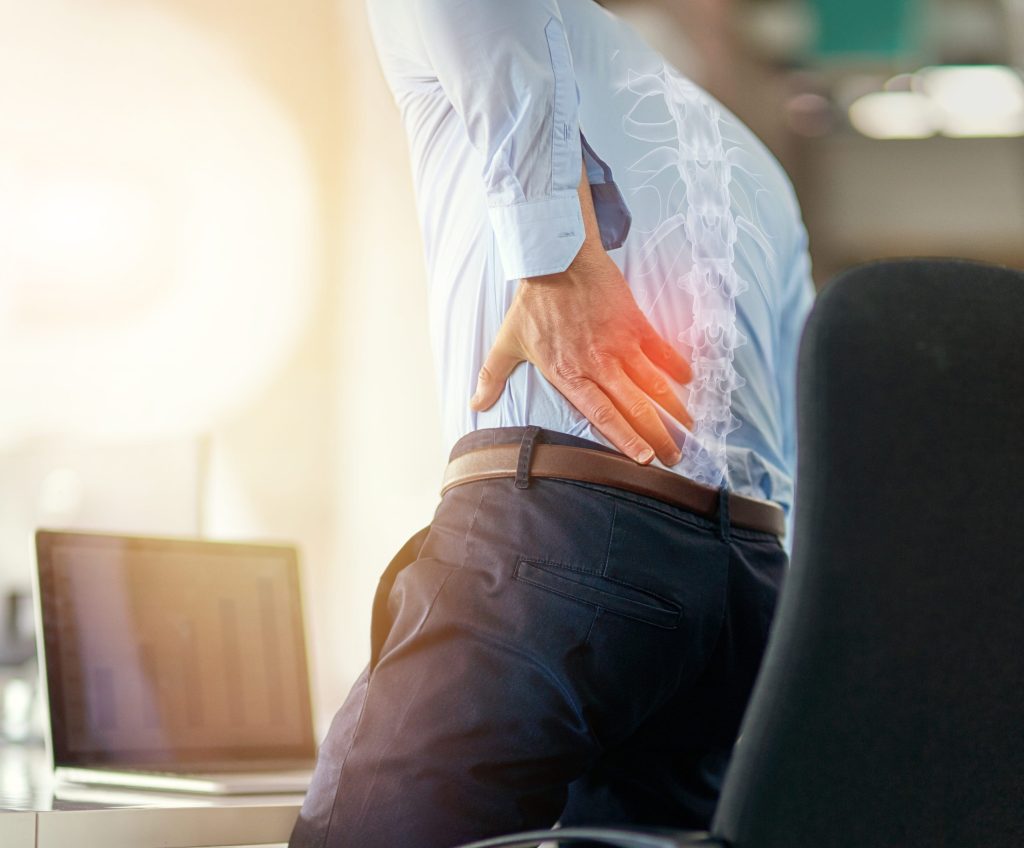
Back pain can affect your ability to work, sleep, exercise, and perform everyday activities. One possible cause is a slip disc, a spinal condition that may produce discomfort, stiffness, numbness, or pain travelling into the arms or legs.
Although symptoms can sometimes feel overwhelming, many people improve with appropriate conservative management. Physiotherapy is one option that may help manage symptoms, restore movement, and improve physical function.
Understanding the condition and available treatment options can help you make informed decisions about your spinal health.
What Is a Slip Disc?
A slip disc, medically known as a herniated or prolapsed disc, occurs when the soft inner material of a spinal disc pushes through or against its tougher outer layer.
Spinal discs act as cushions between the bones of the spine, helping absorb forces during movement.
When a disc bulges or herniates, it may irritate nearby nerves, causing pain or neurological symptoms. However, not every disc herniation causes discomfort.
The condition commonly affects the lower back but can also occur in the neck.
What Causes This Condition?
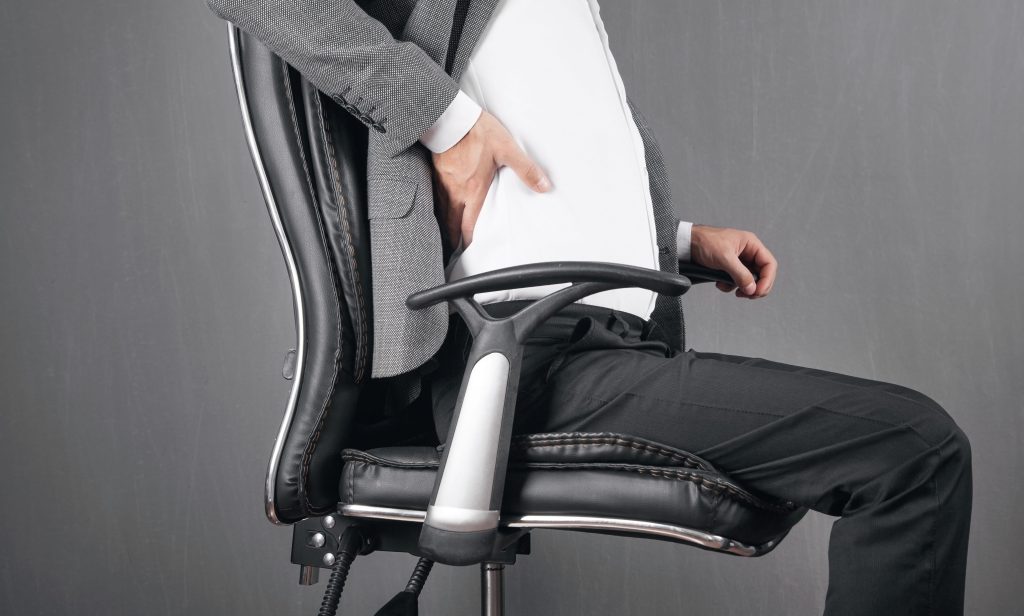
Several factors may contribute to developing a slip disc, including age-related disc changes, repetitive physical strain, and certain lifestyle habits.
Common contributing factors include:
- Repeated bending or heavy lifting.
- Poor lifting techniques.
- Prolonged sitting without movement breaks.
- Reduced physical activity.
- Excess body weight.
- Natural spinal degeneration associated with ageing.
While these factors may increase risk, symptoms do not always develop from a single identifiable event.
Maintaining good physical conditioning and adopting safer movement habits may help support spinal health.
Common Signs and Symptoms
Symptoms of a slip disc depend on its location and whether nearby nerves are affected.
Some common symptoms include:
- Lower back or neck discomfort.
- Pain radiating into the buttocks or legs.
- Tingling or numbness in the limbs.
- Muscle weakness.
- Difficulty bending or straightening the spine.
- Increased discomfort during certain movements.
Some individuals experience mild symptoms, while others may develop significant limitations.
A healthcare professional can assess your symptoms and determine whether additional medical investigations are necessary.
7 Powerful Ways Physiotherapy May Help
1. Helps Manage Pain and Discomfort
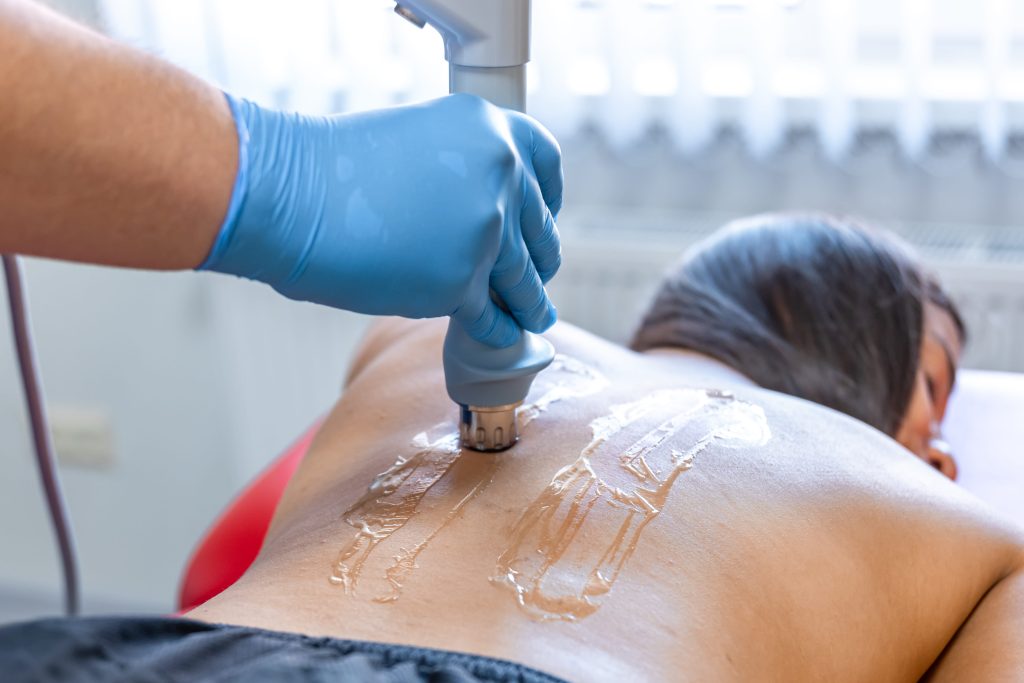
Physiotherapy for slip disc symptoms focuses on improving comfort and physical function through individually selected interventions.
A physiotherapist may recommend suitable exercises, movement education, and selected hands-on techniques.
Treatment approaches depend on the patient’s symptoms, medical history, and physical assessment.
The aim is to help manage discomfort while supporting safe participation in daily activities.
2. Supports Better Spinal Mobility
Persistent discomfort may cause individuals to avoid moving their backs, resulting in stiffness and reduced confidence.
With appropriate guidance, people experiencing slip disc symptoms may gradually resume comfortable movements.
A physiotherapist may introduce controlled mobility exercises to improve flexibility and movement tolerance.
Exercises should be adjusted according to individual needs and should not significantly aggravate symptoms.
3. Strengthens Supporting Muscles
Strong abdominal, back, and hip muscles contribute to spinal support during daily activities.
For individuals managing a slip disc, rehabilitation may include progressive strengthening exercises that improve muscular endurance and movement control.
Examples may include modified core exercises, hip strengthening, and functional movement training.
These activities should be introduced gradually based on symptom severity and physical ability.
4. Improves Posture and Movement Habits
Long periods of sitting, repetitive lifting, and uncomfortable working positions can contribute to spinal discomfort.
Physiotherapy may help individuals identify movement habits that increase symptoms.
Practical recommendations may include adjusting workstation height, changing sitting positions regularly, and learning safer lifting techniques.
There is no single perfect posture for everyone. Comfortable movement and regular changes in position are generally more helpful than remaining rigid throughout the day.
5. Encourages Safe Physical Activity
Avoiding all physical activity for extended periods can contribute to muscle weakness and reduced fitness.
For many individuals experiencing slip disc symptoms, gentle activity such as walking may be appropriate.
A physiotherapist can help determine which activities are suitable and how to increase intensity gradually.
Remaining active within comfortable limits is often an important part of conservative management.
6. Provides Personalised Rehabilitation
Recovery experiences vary depending on symptoms, physical condition, and individual circumstances.
A physiotherapy assessment helps identify movement limitations, muscle weakness, and functional difficulties.
Based on the findings, a practitioner may develop a rehabilitation programme with appropriate exercises and progression.
The programme may be modified as symptoms change, helping patients work towards realistic mobility and functional goals.
7. Supports Long-Term Self-Management
Managing a slip disc involves more than attending treatment sessions.
Patients may also benefit from learning strategies to manage symptoms independently.
These may include regular exercise, activity modification, movement breaks, and recognising early warning signs.
Education can help individuals understand their condition and make informed decisions about maintaining physical activity.
When Should You Seek Medical Attention?
Although many cases improve without surgery, certain symptoms require urgent assessment.
Seek emergency medical attention if you develop:
- New difficulty controlling your bladder or bowel.
- Numbness around the groin or genital area.
- Severe or worsening leg weakness.
- Loss of sensation in one or both legs.
- Significant spinal pain following a serious accident.
Persistent symptoms, fever, unexplained weight loss, or worsening pain should also be evaluated by a medical professional.
When Should You Seek Medical Attention?

At Iswanah Physiotherapy, we provide physiotherapy assessment and rehabilitation services for various musculoskeletal conditions, including slip disc symptoms.
Our approach may include therapeutic exercises, movement education, and suitable pain management strategies based on individual assessment findings.
Patients can discuss their symptoms, mobility concerns, and rehabilitation goals with our physiotherapy team.
Learn more about our available services at Iswanah Physiotherapy.
Conclusion
Living with spinal discomfort can be challenging, but understanding your condition is an important first step towards better management.
Physiotherapy may help improve mobility, strengthen supporting muscles, and develop practical strategies for managing daily activities.
If you are experiencing persistent symptoms associated with a slip disc, consider seeking a professional assessment to identify suitable treatment options.
Take a positive step towards better movement and spinal health. Contact Iswanah Physiotherapy to enquire about a consultation today.