Pain, stiffness, muscle weakness, and difficulty moving can affect more than just your physical comfort. They may make everyday activities such as walking, climbing stairs, working, exercising, or even getting out of bed more challenging. For individuals looking for professional rehabilitation and pain management support, Physiotherapy Batu Caves can be an important step towards improving movement, function, and overall quality of life.
At Iswanah Physiotherapy Batu Caves, physiotherapy focuses on understanding each patient’s condition before developing an appropriate treatment and rehabilitation plan. Whether you are experiencing musculoskeletal pain, recovering from an injury, managing mobility limitations, or returning to daily activities after surgery, physiotherapy can provide structured support throughout your recovery journey.
What Is Physiotherapy?
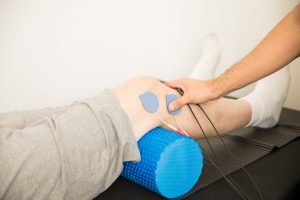
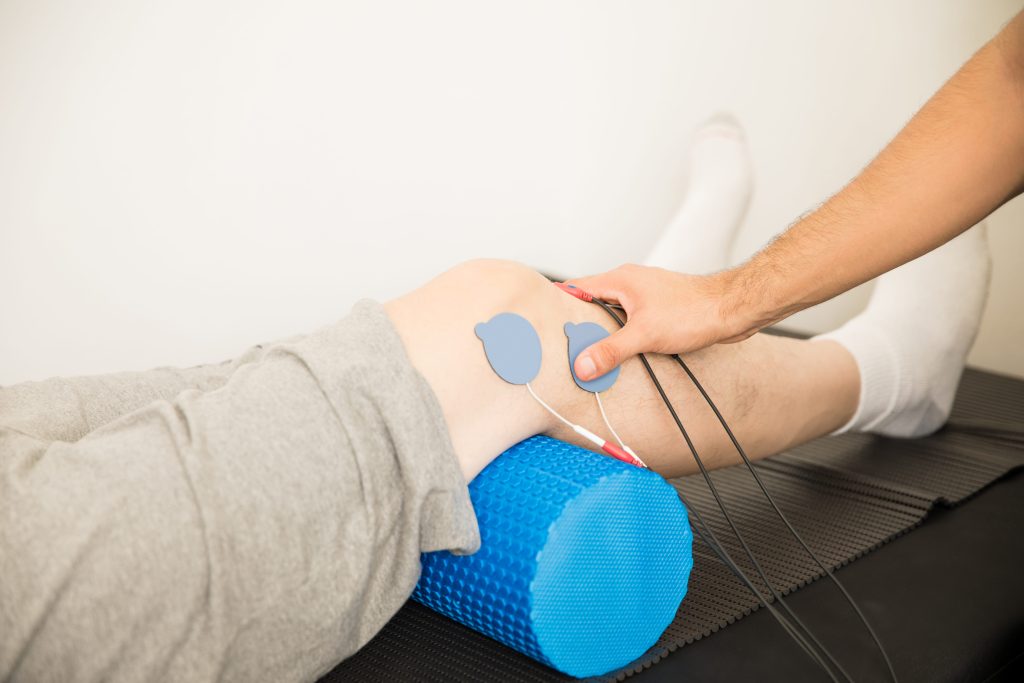
Physiotherapy is a healthcare approach that helps individuals improve movement, physical function, strength, flexibility, and mobility. It may involve physical assessment, therapeutic exercises, manual techniques, rehabilitation programmes, education, and other appropriate physiotherapy modalities.
According to the NHS guide to physiotherapy, physiotherapy can be helpful for people affected by injury, illness or disability through movement and exercise, manual therapy, education, and advice.
At Physiotherapy Batu Caves, the treatment approach may vary depending on the patient’s symptoms, physical condition, medical history, lifestyle, and rehabilitation goals. This is why an assessment is important before beginning a treatment programme.
1. Helps Manage Muscle and Joint Discomfort
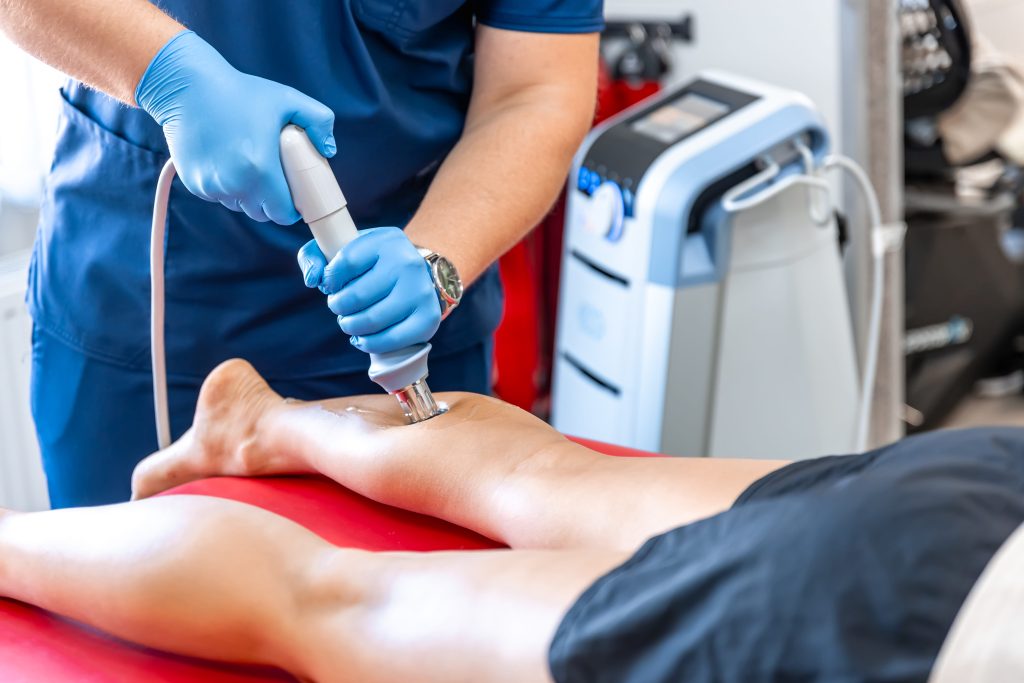
One of the common reasons people seek physiotherapy is persistent discomfort involving muscles and joints. Problems involving the neck, shoulder, back, waist, knees, or other areas can interfere with work and daily activities.
At Iswanah Physiotherapy Batu Caves, a physiotherapist can assess movement patterns, mobility, muscle strength, and other relevant factors to better understand what may be contributing to the patient’s symptoms.
The goal is not simply to focus on the painful area. A physiotherapy programme may also address movement limitations, muscle weakness, flexibility, posture, and functional difficulties that could influence recovery.
2. Supports Recovery After an Injury
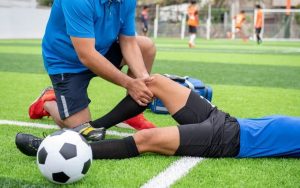
Injuries can happen during sports, exercise, work, household activities, or unexpected accidents. Even after the initial pain improves, some individuals may continue experiencing weakness, reduced flexibility, or difficulty returning to their normal activities.
A structured programme at Iswanah Physiotherapy Batu Caves may help patients gradually rebuild strength, mobility, balance, and confidence.
Rather than rushing back into demanding activities, Iswanah Physiotherapy Batu Caves provides a progressive rehabilitation approach. Exercises and activities can be adjusted according to the patient’s current ability and recovery progress.
3. Improves Mobility and Flexibility
Do you feel stiff when getting up after sitting for a long time? Is it difficult to bend, reach overhead, squat, or climb stairs?
Limited mobility can develop for many reasons, including injury, inactivity, muscle weakness, ageing, or certain medical conditions. Through appropriate exercises and rehabilitation strategies, Physiotherapy Batu Caves can help patients work towards improving flexibility and functional movement.
The objective is to help patients move more comfortably and safely while gradually increasing their ability to perform everyday activities.
4. Provides Individualised Rehabilitationbility
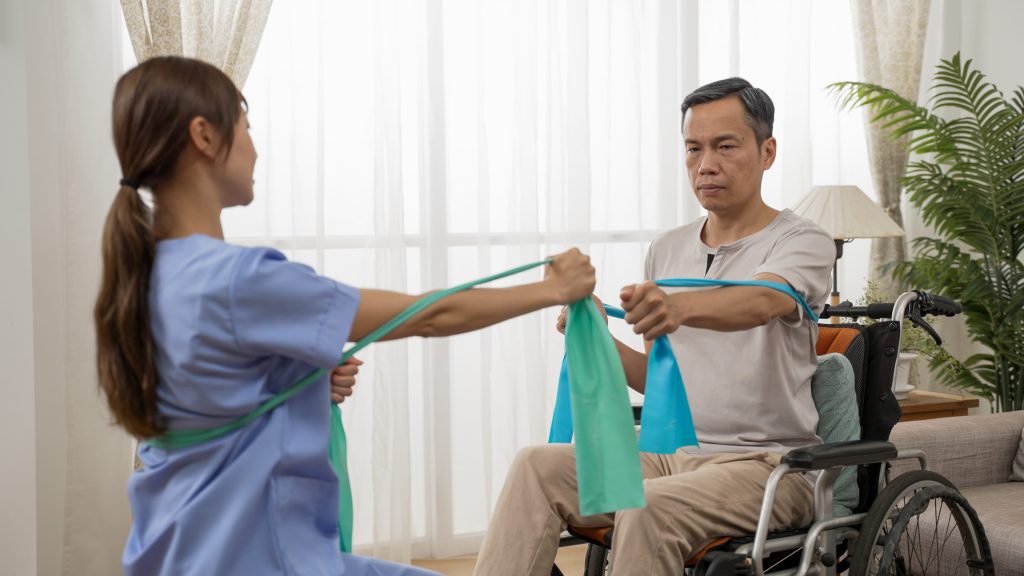
There is no single rehabilitation programme that is suitable for everyone. Two people may experience similar symptoms but have different underlying factors, activity levels, medical histories, and recovery goals.
This is why Physiotherapy Batu Caves emphasises assessment before developing a rehabilitation plan.
For example, an office worker experiencing back discomfort may require a different approach from an athlete recovering from a sports injury. Similarly, an older adult experiencing reduced mobility may have different rehabilitation priorities from someone recovering after surgery.
Individualised rehabilitation allows treatment to be adjusted according to the patient’s progress and functional needs.
5. Helps Improve Strength and Stability
Muscle strength plays an important role in movement and everyday function. Weakness in certain muscle groups may make activities such as standing, walking, lifting objects, or climbing stairs more difficult.
At Physiotherapy Batu Caves, therapeutic exercises may be introduced progressively to improve strength, stability, coordination, and physical function.
The type and intensity of exercise should be selected according to the patient’s condition. As the patient progresses, exercises may be modified to provide an appropriate level of challenge while supporting safe rehabilitation.
6. Supports Post-Surgery Rehabilitation
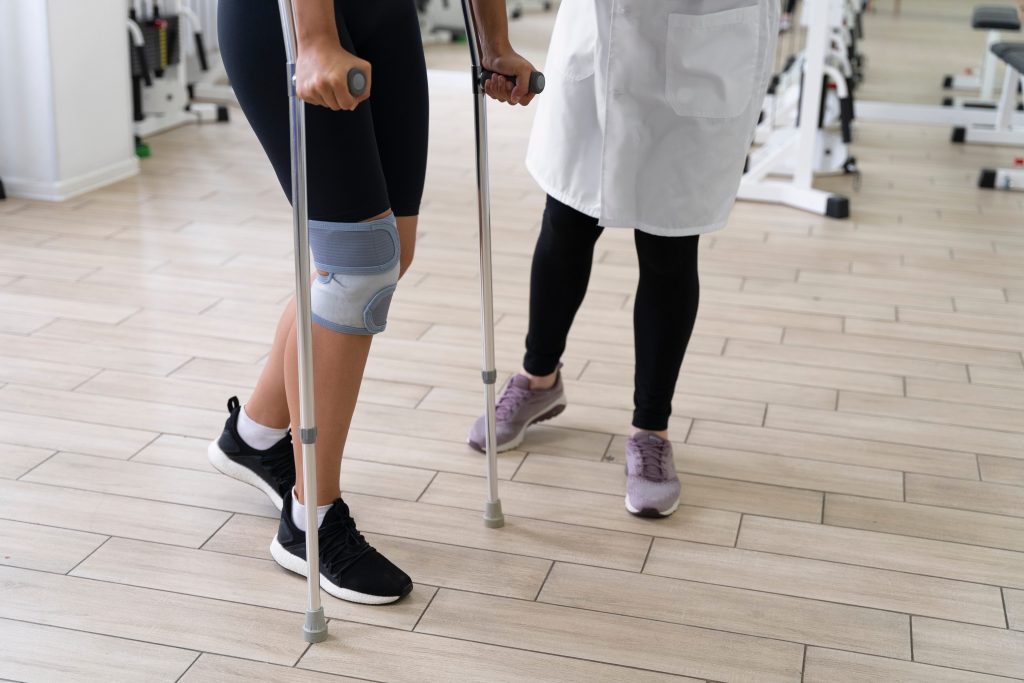
Recovery does not always end when a surgical procedure is completed. Depending on the type of surgery and medical advice provided, rehabilitation may form an important part of the recovery process.
For suitable patients, Iswanah Physiotherapy Batu Caves may support post-operative rehabilitation by helping them work towards improving movement, strength, mobility, and functional independence.
Physiotherapists can guide patients through appropriate exercises and monitor their progress. Post-surgical physiotherapy should always consider the surgeon’s instructions, precautions, and the individual patient’s medical condition.
7. Encourages Long-Term Movement and Self-Management
Physiotherapy is not only about what happens during a treatment session. Education can also be an important part of rehabilitation.
At Iswanah Physiotherapy Batu Caves, patients may receive guidance about exercises, movement habits, posture, activity modification, and ways to manage their condition outside the clinic.
Understanding your body and learning appropriate exercises may help you participate more actively in your own recovery. Consistency is important, especially when working towards longer-term goals involving strength, mobility, or physical function.
Who May Consider Physiotherapy?
Physiotherapy may be considered by individuals experiencing back or neck discomfort, shoulder problems, knee pain, sports injuries, reduced mobility, muscle weakness, post-operative rehabilitation needs, or difficulties returning to normal physical activities.
However, the appropriate treatment depends on the cause and severity of the symptoms. A proper assessment helps determine whether physiotherapy is suitable and what rehabilitation approach may be appropriate.
Patients with severe or sudden symptoms may require medical assessment first. Seek urgent medical attention for warning signs such as sudden weakness or numbness on one side of the body, difficulty speaking, severe chest pain, loss of consciousness, serious trauma, or sudden loss of bladder or bowel control.
Start Your Recovery Journey
Living with persistent discomfort or movement limitations can affect work, exercise, sleep, and daily routines. Getting an appropriate assessment can help you better understand your physical condition and the rehabilitation options available.
If pain, stiffness, weakness, or reduced mobility is affecting your daily life, consider arranging an assessment with Iswanah Physiotherapy Batu Caves. A structured rehabilitation plan can help you work towards better movement, improved function, and greater confidence in performing everyday activities.
Your recovery journey does not have to focus only on reducing discomfort. The bigger goal is to help you move better, become stronger, and return to the activities that matter to you.