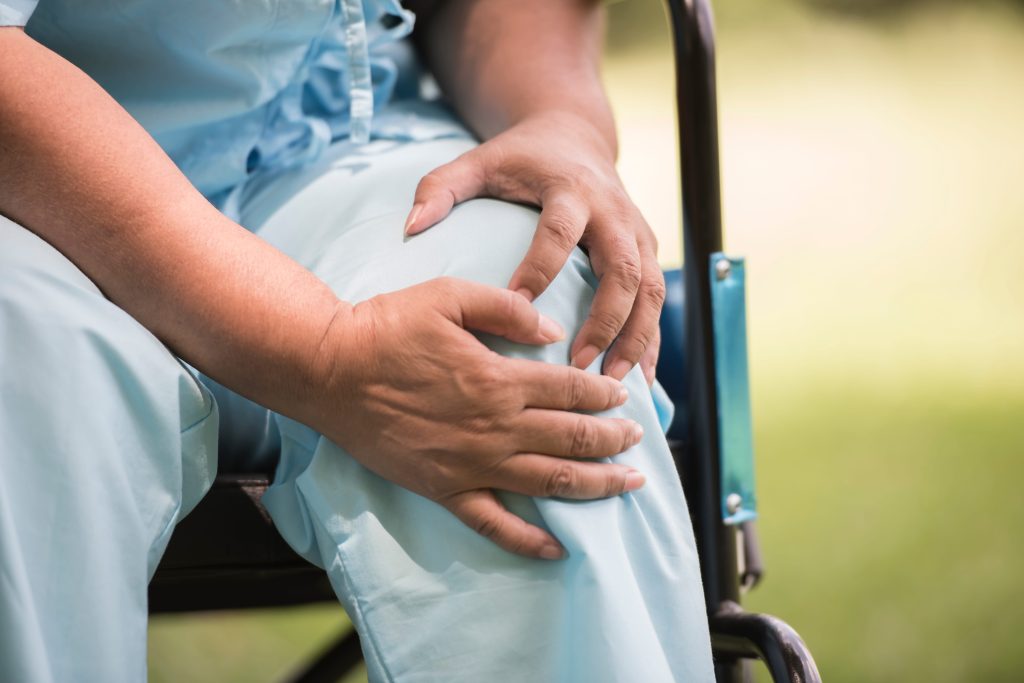
Knee pain, stiffness, and difficulty moving can significantly affect your ability to work, exercise, climb stairs, or enjoy everyday activities. For people who have undergone or are preparing for total knee replacement, commonly known as TKR, TKR Treatment is an important part of supporting better recovery and mobility. TKR Treatment combined with physiotherapy can help improve knee movement, rebuild strength, manage discomfort, and restore confidence when using the affected knee.
Total knee replacement is a surgical procedure used to replace damaged surfaces of the knee joint with artificial components. It may be recommended for people experiencing severe knee damage or persistent symptoms associated with conditions such as advanced osteoarthritis and other degenerative joint problems. While surgery addresses the damaged joint, TKR Treatment and rehabilitation after surgery are equally important because the muscles, joints, and surrounding soft tissues need time and appropriate exercises to adapt.
A structured physiotherapy programme is an important part of TKR Treatment, helping patients progress through different stages of recovery. Depending on the patient’s condition, TKR Treatment may focus on improving range of motion, strengthening the muscles around the knee, improving walking ability, managing pain and swelling, and restoring functional movement.
Treatment is generally adjusted according to the patient’s condition, surgical progress, pain level, strength, mobility, and functional goals. Rather than focusing only on the knee itself, physiotherapy as part of TKR Treatment looks at how the knee functions during activities such as standing, walking, sitting, climbing stairs, and maintaining balance.
With appropriate TKR Treatment and physiotherapy guidance, patients can gradually work toward better knee function and greater independence in their daily activities.
Below are seven effective ways TKR Treatment and physiotherapy can support knee recovery.
What Is TKR?
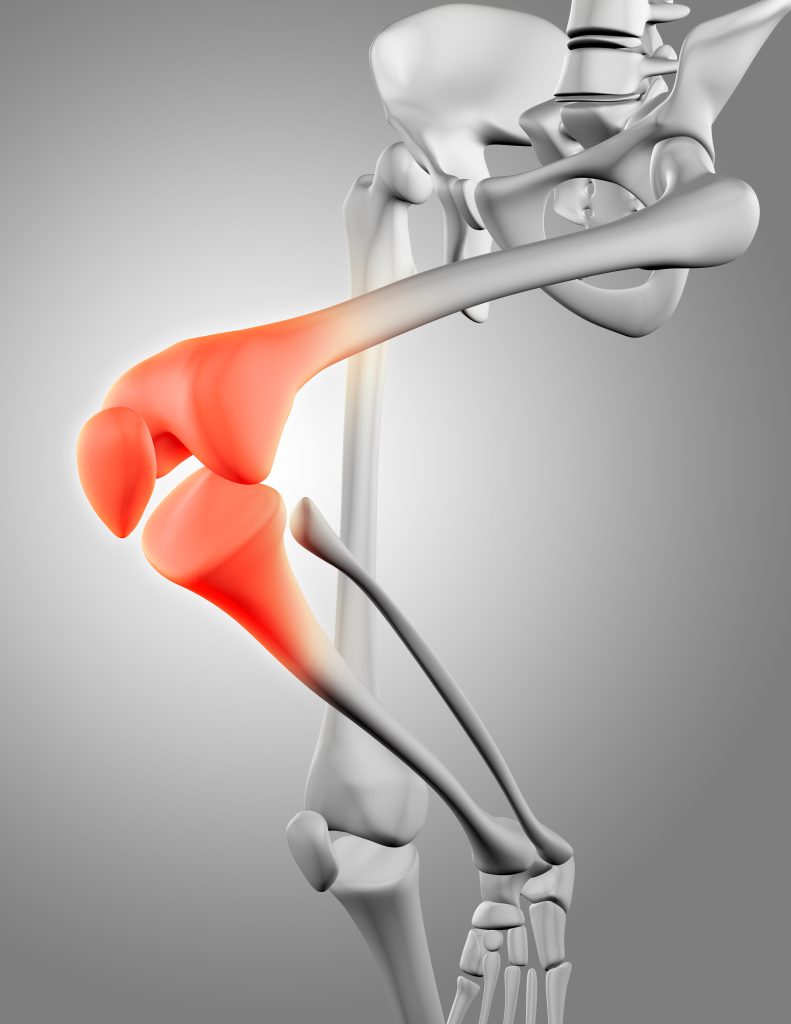
Total Knee Replacement, or TKR, is a surgical procedure that replaces damaged surfaces of the knee joint with artificial components. It is commonly considered for people with severe knee damage, particularly when pain and stiffness significantly affect daily activities.
Although surgery addresses the damaged joint, the surrounding muscles and tissues still need rehabilitation. Physiotherapy is one of the TKR Treatment can help patients gradually regain the physical abilities needed for everyday activities.
1. Improve Knee Range of Motion
One of the main goals after knee replacement is to restore knee movement. It is common for the knee to feel stiff after surgery, making it difficult to bend or fully straighten the leg.
Physiotherapy may include gentle mobility exercises such as heel slides, assisted knee bending, and knee extension exercises. These movements can help patients gradually improve flexibility and functional range of motion.
Better knee movement can make activities such as sitting, standing, getting into a car, and using stairs easier.
2. Strengthen the Muscles Around the Knee
Muscle weakness is common after TKR. Reduced activity, pain, swelling, and the surgery itself can affect the strength of the thigh and leg muscles.
The quadriceps muscles are especially important because they help with standing, walking, climbing stairs, and controlling knee movement.
Physiotherapy can introduce progressive strengthening exercises, starting with simple movements and gradually progressing as the patient becomes stronger.
Exercises may include quadriceps activation, straight-leg raises, seated knee extensions, sit-to-stand exercises, and step exercises.
Building strength can improve knee support and make everyday movements easier and more controlled.
3. Improve Walking and Mobility
Walking may feel different after knee replacement. Patients may initially rely on crutches, a walking frame, or other walking aids while their strength and confidence improve.
Physiotherapy can help patients develop a safer and more efficient walking pattern. A physiotherapist may assess how the patient transfers weight, places the foot, moves the knee, and maintains posture while walking.
As recovery progresses, rehabilitation can include turning, changing direction, walking longer distances, and practising stairs.
Improving walking ability is an important step toward becoming more independent in daily life.
4. Improve Balance and Knee Stability
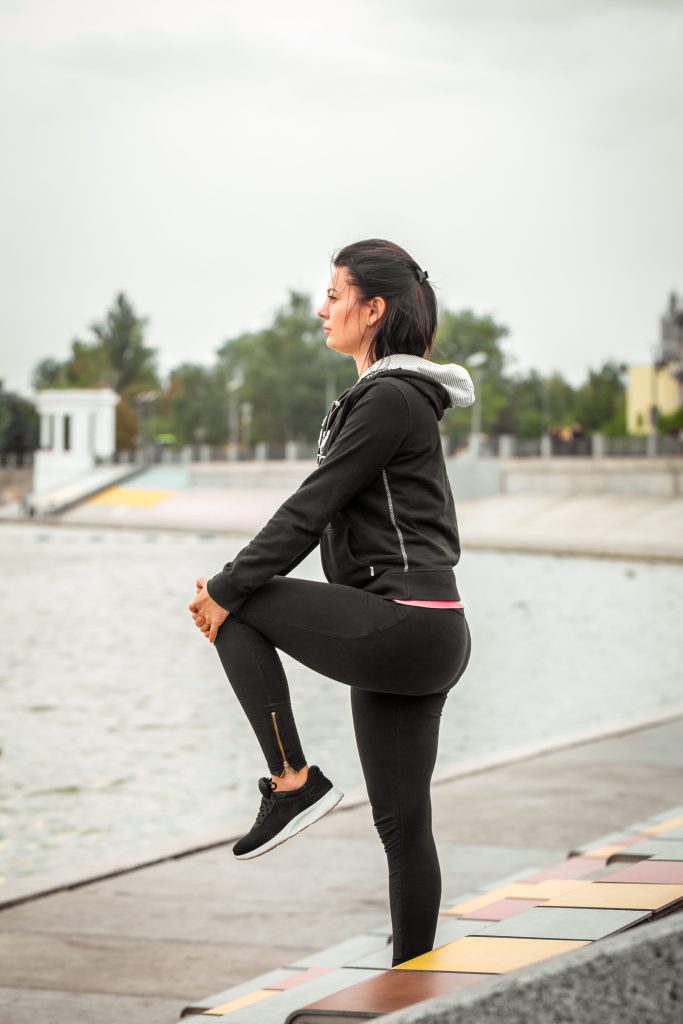
Balance can sometimes be affected after TKR because of weakness, reduced activity, changes in walking patterns, or fear of putting weight on the operated leg.
Physiotherapy may include balance and coordination exercises to improve lower-limb control. These exercises can begin with simple supported standing activities and progress to more challenging movements.
Better balance can help patients feel more confident when standing, walking, turning, and using stairs.
For patients who are at higher risk of falling, balance training can also be an important part of rehabilitation. Exercises should always be performed safely and according to professional guidance.
5. Manage Pain and Swelling
Pain and swelling are common during the recovery period following knee replacement. Physiotherapy can help patients manage these symptoms while maintaining appropriate movement.
Treatment may involve gentle exercises, positioning, activity modification, and other suitable physiotherapy techniques depending on the patient’s condition.
Finding the right balance between activity and rest is important. Too little movement may contribute to stiffness and weakness, while doing too much too soon may aggravate discomfort or swelling.
A physiotherapist can help adjust the exercise programme based on how the knee responds to rehabilitation.
If pain or swelling suddenly becomes severe or is accompanied by unusual symptoms, patients should seek medical advice promptly.
6. Support a Return to Daily Activities
The goal of rehabilitation is not only to improve knee movement but also to help patients return to their normal daily activities.
After TKR, activities such as getting out of a chair, getting dressed, walking around the house, entering a vehicle, and climbing stairs may temporarily become difficult.
Physiotherapy can use functional exercises that are relevant to these activities. For example, sit-to-stand exercises can improve the strength needed to get up from a chair, while step exercises can help prepare patients for using stairs.
Rehabilitation can also be tailored to individual goals. Someone who wants to return to regular walking may have different goals from someone who wants to travel, garden, or return to recreational activities.
7. Build Long-Term Strength and Independence
Recovery should not stop once a patient can walk without assistance. Long-term rehabilitation may continue to focus on strength, flexibility, balance, endurance, and functional movement.
Progressive exercises can help patients maintain their physical abilities and support a more active lifestyle.
Regular movement is important because prolonged inactivity can lead to general muscle weakness and reduced fitness. However, activities should remain appropriate for the individual’s condition and recovery stage.
A physiotherapist can provide guidance on how to progress exercises safely and maintain an appropriate level of physical activity.
Why Physiotherapy Is Important After TKR
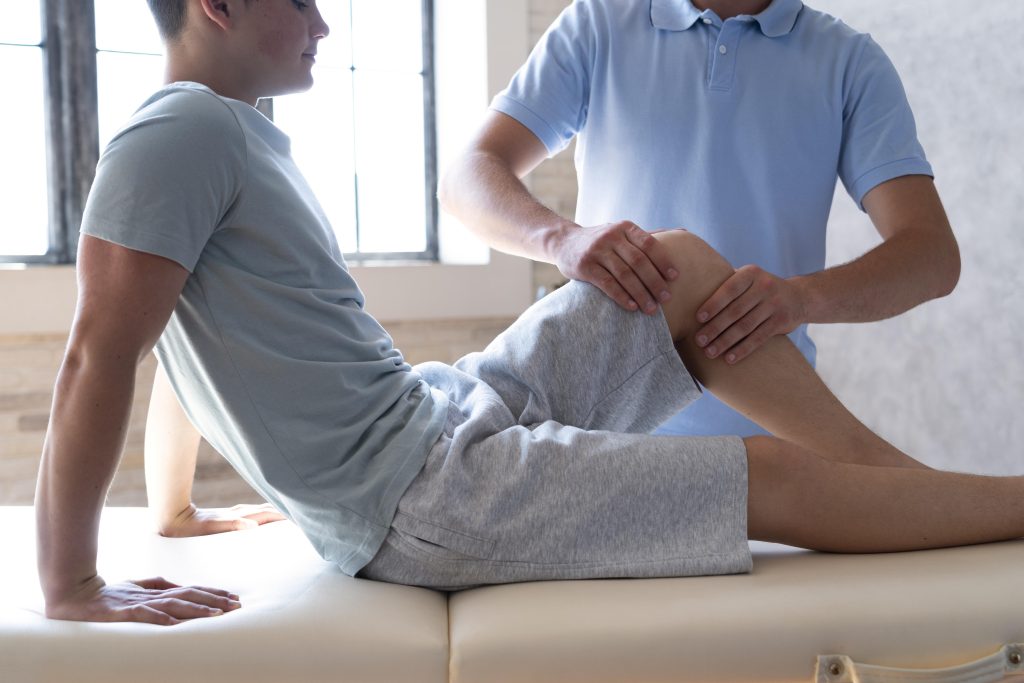
Surgery and physiotherapy have different but complementary roles. TKR addresses the damaged knee joint, while physiotherapy focuses on helping the patient regain function after surgery.
A physiotherapy programme may include:
- Knee mobility exercises
- Muscle strengthening
- Gait and walking training
- Balance exercises
- Functional training
- Flexibility exercises
- Patient education
- Home exercise programmes
The TKR treatment will depend on the patient’s recovery, strength, mobility, medical history, and individual goals.
How Long Does TKR Recovery Take?
Recovery time varies from person to person. Factors such as age, physical condition before surgery, muscle strength, pain levels, swelling, general health, and consistency with rehabilitation can influence progress.
Some patients may improve quickly, while others may require more time and support.
Rather than comparing recovery with someone else, patients should focus on gradual improvements in their own mobility and function.
Following the advice of the surgeon and physiotherapist can help ensure that rehabilitation progresses safely.
When Should You Consider Physiotherapy?
If you have undergone TKR and are experiencing persistent stiffness, weakness, difficulty walking, balance problems, or challenges with daily activities, physiotherapy may be beneficial.
A physiotherapist can assess your current movement and identify areas that may need further rehabilitation for TKR Treatment.
It is also important to follow your surgeon’s instructions regarding weight-bearing, wound care, medications, and activity restrictions.
Conclusion
Total knee replacement can help address severe knee problems, but rehabilitation remains an important part of the recovery journey. TKR Treatment supported by physiotherapy can help patients work toward better mobility, strength, balance, and independence.
The seven key areas of TKR Treatment include improving knee range of motion, strengthening the surrounding muscles, improving walking, developing balance, managing pain and swelling, returning to daily activities, and maintaining long-term physical function.
With the right rehabilitation programme, professional guidance, and consistent effort, patients can gradually work toward improved knee function and greater confidence in their everyday movements.
If you are recovering from TKR and experiencing knee stiffness, weakness, difficulty walking, or reduced mobility, consider getting professional physiotherapy support. Visit the nearest Iswanah Physiotherapy branch today and speak with our physiotherapy team about your condition and rehabilitation needs for TKR Treatment. Our team can assess your current mobility and recommend a suitable treatment approach based on your individual recovery goals.
Don’t let knee problems limit your daily activities. Take the next step toward better mobility and recovery with Iswanah Physiotherapy for TKR Treatment. Find your nearest branch and book your physiotherapy consultation today.