Introduction
Frozen shoulder is a common yet often misunderstood condition that can significantly affect your daily life. If you’ve ever experienced stiffness, persistent pain, or difficulty moving your shoulder, you may be dealing with frozen shoulder. What starts as mild discomfort can become a frustrating limitation that impacts even the simplest movements.
This condition doesn’t just cause physical discomfort—it can interfere with everyday tasks such as dressing, reaching overhead, driving, or even getting a good night’s sleep. Many individuals find themselves avoiding certain movements due to pain, which can gradually worsen the stiffness over time. Unfortunately, a large number of people delay seeking treatment, assuming that the pain will resolve on its own. In reality, this situation often progresses slowly and can become more severe if left untreated.
As the condition develops, the shoulder joint becomes increasingly stiff, making it difficult to perform normal activities. This can affect not only your physical health but also your productivity, independence, and overall quality of life. For working individuals, especially those with desk jobs or physically demanding roles, this situation can become a major obstacle in daily performance.
The good news is that physiotherapy offers an effective, safe, and non-invasive solution to manage and recover from frozen shoulder. Unlike treatments that only focus on temporary pain relief, physiotherapy addresses the root cause of the condition by improving joint mobility, reducing stiffness, and restoring normal function. With a structured and personalized treatment plan, patients can gradually regain shoulder movement, reduce pain, and return to their normal activities without long-term limitations.
Early intervention plays a crucial role in recovery. The sooner this situation is identified and treated, the better the chances of a faster and more complete recovery. Physiotherapy not only helps relieve current symptoms but also prevents the condition from worsening or recurring in the future.
In this article, we’ll explore everything you need to know about this situation, including its causes, symptoms, stages, and most importantly, how physiotherapy can help you recover effectively and safely.
What Is Frozen Shoulder?

Frozen shoulder, also known as adhesive capsulitis, is a condition characterized by pain, stiffness, and a significant loss of movement in the shoulder joint. It occurs when the connective tissue surrounding the shoulder joint—known as the joint capsule—becomes inflamed, thickened, and tight. As a result, the space within the joint reduces, making it increasingly difficult to move the shoulder comfortably.
Under normal conditions, the shoulder joint is one of the most mobile joints in the body, allowing a wide range of motion in multiple directions. However, in this situation, this mobility is gradually lost. The inflammation causes the capsule to stiffen and form adhesions (scar-like tissue), which restrict movement and create a sensation of tightness or “locking” in the joint.
Over time, the shoulder capsule continues to tighten, and the formation of adhesions further limits flexibility. This is why many patients describe their shoulder as feeling “frozen” or stuck, as even simple movements such as lifting the arm, reaching behind the back, or rotating the shoulder can become painful and difficult.
Frozen shoulder typically develops gradually rather than suddenly. It often starts with mild discomfort that progressively worsens, eventually leading to severe stiffness and restricted motion. The condition is also known for its long duration, sometimes lasting several months to years if not managed properly.
In addition, this situation usually progresses through distinct stages, each with different symptoms and levels of discomfort. During the early stage, pain is more prominent, while later stages are marked by increased stiffness and reduced mobility. Understanding these stages is important because the type of treatment and recovery approach may vary depending on the phase of the condition.
It is also worth noting that frozen shoulder can affect one or both shoulders, although it most commonly occurs in just one. In some cases, individuals who have experienced this situation in one shoulder may be at risk of developing it in the other.
Overall, frozen shoulder is more than just a temporary shoulder problem—it is a condition that can significantly impact daily function and quality of life. Recognizing it early and seeking appropriate treatment, such as physiotherapy, can make a substantial difference in recovery and long-term outcomes.
Stages of Frozen Shoulder
Frozen shoulder typically develops in three distinct stages, each with its own set of symptoms and challenges. Understanding these stages is important because the severity of pain and stiffness changes over time, and the treatment approach may vary depending on the stage you are in.
Freezing Stage (Painful Stage)
This is the early stage of frozen shoulder, where symptoms begin gradually and worsen over time.
- Gradual onset of shoulder pain
- Increasing stiffness and discomfort
- Pain worsens at night, especially when lying on the affected side
During this stage, the shoulder starts to become inflamed, and even small movements can trigger pain. Many patients notice difficulty performing daily tasks such as reaching for objects, lifting the arm, or putting on clothes.
As the pain increases, individuals tend to limit shoulder movement to avoid discomfort. However, this reduced movement can actually contribute to further stiffness, accelerating the progression of frozen shoulder. This stage can last anywhere from a few weeks to several months.
Frozen Stage (Stiffness Stage)
In this stage, the intensity of pain may decrease slightly, but stiffness becomes more pronounced.
- Pain may reduce but does not fully disappear
- Significant stiffness in the shoulder joint
- Severely limited range of motion
At this point, the shoulder feels “locked” or stuck, making it difficult to move in different directions. Simple activities such as reaching overhead, driving, or even brushing hair can become challenging.
Although the pain is not as intense as in the freezing stage, the lack of mobility can be frustrating and limiting. This stage is where most patients experience the greatest restriction in daily activities. Without proper treatment, this phase can last for several months.
Thawing Stage (Recovery Stage)
This is the final stage, where the shoulder gradually begins to recover.
- Gradual improvement in mobility
- Significant reduction in pain
- Shoulder function slowly returns to normal
During the thawing stage, the tight shoulder capsule starts to loosen, allowing movement to improve over time. Patients may notice that they can perform tasks more easily, and discomfort continues to decrease.
However, recovery is often slow and requires consistent effort. Physiotherapy plays a crucial role in this stage to help restore full range of motion, rebuild strength, and ensure proper shoulder function.
Each stage of frozen shoulder can last several months, and the entire condition may take 6 months to 2 years (or longer) to fully resolve without treatment. This is why early intervention is highly recommended. By understanding these stages, patients can better manage expectations and seek the right treatment at the right time to speed up recovery and prevent long-term complications.
Causes of Frozen Shoulder

The exact cause of frozen shoulder is not always clear, but several factors can increase the risk:
- Injury or Surgery
After a shoulder injury or surgery, reduced movement can lead to stiffness and eventually frozen shoulder.
- Prolonged Immobility
Keeping the shoulder still for long periods can trigger the condition.
- Medical Conditions
Conditions such as diabetes, thyroid disorders, and heart disease are linked to a higher risk of frozen shoulder.
Age and Gender
Frozen shoulder is more common in individuals aged 40–60 and tends to affect women more than men.
Symptoms of Frozen Shoulder
Common symptoms include:
- Persistent shoulder pain
- Stiffness and reduced mobility
- Difficulty lifting the arm
- Pain during sleep
- Limited ability to perform daily tasks
These symptoms can worsen over time, especially without proper treatment.
7 Effective Physiotherapy Treatments for Frozen Shoulder

Physiotherapy is one of the most effective and recommended approaches for treating frozen shoulder. Instead of relying solely on medication, physiotherapy focuses on restoring movement, reducing stiffness, and improving overall shoulder function. A combination of different techniques is often used to ensure a faster and more complete recovery.
Below are seven effective physiotherapy treatments that can help manage and treat frozen shoulder:
1. Manual Therapy
Manual therapy involves hands-on techniques performed by a physiotherapist to mobilize the shoulder joint and surrounding soft tissues. These techniques may include joint mobilization, soft tissue release, and gentle manipulation.
The main goal of manual therapy is to:
- Reduce stiffness in the joint capsule
- Improve joint mobility
- Relieve muscle tightness
This treatment is especially helpful in the early and middle stages of frozen shoulder, where stiffness and restricted movement are more prominent. With consistent sessions, patients often experience gradual improvement in their range of motion.
2. Stretching Exercises
Stretching exercises are a key component in the treatment of this situation. These exercises are designed to gently lengthen tight muscles and improve flexibility in the shoulder joint.
Common examples include:
- Pendulum swings
- Wall climbing exercises
- Cross-body shoulder stretches
Regular stretching helps to:
- Break down adhesions in the joint capsule
- Increase flexibility
- Restore movement gradually
It is important that these exercises are performed correctly and consistently, as improper technique may worsen the condition.
3. Strengthening Exercises
As mobility improves, strengthening exercises are introduced to support the shoulder joint and surrounding muscles. Weak muscles can contribute to poor posture and increase the risk of further injury.
Strengthening focuses on:
- Rotator cuff muscles
- Shoulder stabilizers
- Upper back muscles
Benefits of strengthening exercises include:
- Improved joint stability
- Better posture
- Reduced risk of recurrence
These exercises are usually progressive, starting with light resistance and gradually increasing as the patient gains strength.
4. Electrotherapy
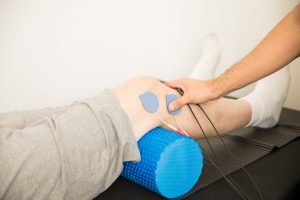
Electrotherapy uses physiotherapy devices such as electrical stimulation (TENS or EMS) to help manage pain and improve muscle function.
This treatment works by:
- Blocking pain signals to the brain
- Stimulating muscle contractions
- Enhancing blood circulation
Electrotherapy is particularly useful during the painful stages of this situation, as it provides relief and allows patients to participate more comfortably in rehabilitation exercises.
5. Heat Therapy
Heat therapy is commonly used to relax tight muscles and prepare the shoulder for movement. Applying heat increases blood flow to the affected area, which helps promote healing.
Benefits of heat therapy include:
- Reduced muscle stiffness
- Improved flexibility
- Enhanced effectiveness of stretching exercises
Heat therapy is often applied before physiotherapy sessions to make the joint more responsive to treatment.
6. Range of Motion Training
Range of motion (ROM) training involves controlled and guided movements that help restore shoulder mobility without causing further irritation or injury.
These exercises are carefully tailored based on the patient’s condition and stage of recovery. ROM training helps to:
- Maintain joint flexibility
- Prevent further stiffness
- Improve functional movement
This approach is essential throughout all stages of frozen shoulder, ensuring gradual and safe improvement in mobility.
7. Personalized Exercise Program
Every patient experiences this situation differently, which is why a personalized exercise program is crucial for effective recovery. A physiotherapist will assess the severity, stage, and specific limitations of the condition before designing a customized rehabilitation plan.
A personalized program ensures:
- Targeted treatment for individual needs
- Safe progression of exercises
- Better and faster recovery outcomes
Patients are also guided on home exercises to maintain progress between sessions, making the treatment more effective in the long term.
The best results are achieved through a combination of these physiotherapy treatments rather than relying on a single method. Consistency, proper guidance, and patient commitment are key factors in recovery.
With the right physiotherapy approach, this situation can be effectively managed, allowing patients to regain mobility, reduce pain, and return to their normal daily activities with confidence.
Tips to Speed Up Recovery
- Stay consistent with physiotherapy sessions
- Perform home exercises regularly
- Avoid prolonged inactivity
- Maintain proper posture
- Seek early treatment

At Iswanah, we provide professional physiotherapy treatments designed to effectively manage this situation.
Our approach includes:
- Combination of physiotherapy devices and manual therapy
- Personalized treatment plans
- Focus on long-term recovery
- Comfortable and patient-friendly environment
We are committed to helping you regain mobility, reduce pain, and return to your daily activities without limitations.
Conclusion
Frozen shoulder is a condition that can significantly impact your quality of life if left untreated. What may begin as mild discomfort can gradually progress into severe stiffness and restricted movement, making even simple daily activities difficult. The longer you delay treatment, the more challenging and time-consuming the recovery process can become.
Many individuals underestimate the seriousness of frozen shoulder, hoping it will resolve on its own. While some cases may improve over time, the process can take months or even years, often with incomplete recovery. Without proper management, the condition can lead to long-term limitations in shoulder function, affecting both personal and professional life.
Physiotherapy offers a safe, effective, and proven solution to treat frozen shoulder by addressing not only the symptoms but also the root cause of the problem. Through a combination of manual therapy, targeted exercises, and advanced physiotherapy techniques, patients can gradually restore mobility, reduce pain, and improve overall shoulder function. Unlike temporary pain relief methods, physiotherapy focuses on long-term recovery and prevention.
With the right treatment plan and consistent effort, it is possible to regain full shoulder mobility and return to your normal activities without discomfort. However, consistency is key—regular physiotherapy sessions, combined with proper home exercises, play a crucial role in achieving the best results.
If you’re currently experiencing frozen shoulder, now is the best time to take action. Early intervention can significantly speed up recovery, prevent further complications, and reduce the risk of chronic stiffness. Seeking professional physiotherapy care allows you to take control of your condition and start your journey toward a pain-free and more active lifestyle.
Don’t let frozen shoulder limit your movement or quality of life—take the first step today and invest in your recovery.