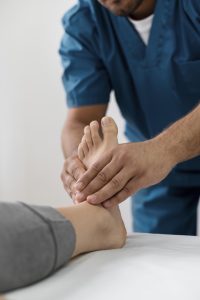
Muscle cramp is a common condition that can happen suddenly and cause intense pain or discomfort. Whether it occurs during exercise, while sleeping, or even while resting, muscle cramp can affect daily activities and reduce overall quality of life. Many people experience occasional cramps in the legs, calves, feet, or back muscles, but frequent muscle cramp episodes should not be ignored. In some cases, it may indicate underlying muscular, nerve, or circulation problems that require professional attention.
It happens when a muscle contracts involuntarily and does not relax properly. The affected muscle may feel tight, hard, painful, or difficult to move. Some cramps last only a few seconds, while others may continue for several minutes and leave lingering soreness afterward. Athletes, office workers, elderly individuals, pregnant women, and people with physically demanding jobs are commonly affected by muscle cramps.
Common Symptoms of Muscle Cramp

The symptoms can vary depending on the severity and location of the affected muscle. Most people describe the pain as sudden, sharp, and difficult to control. During a muscle cramp episode, the muscle may feel tight or visibly hard under the skin. Some individuals also experience muscle twitching, temporary weakness, or soreness after the cramp subsides.
Leg cramps are among the most common types of it and often occur during sleep or physical activities. In more severe cases, muscle cramps may interfere with walking, exercising, or even simple daily movements. Frequent muscle cramps can also disrupt sleep quality and reduce physical performance.
Causes
1: Dehydration
One of the leading causes of muscle cramp is dehydration. Muscles require adequate fluids and electrolytes to function properly. When the body loses too much water through sweating, exercise, hot weather, or insufficient fluid intake, the muscles become more prone to involuntary contractions.
Electrolyte imbalance involving sodium, potassium, calcium, and magnesium can further increase the risk of muscle cramps. Athletes and individuals working outdoors are particularly vulnerable to dehydration-related muscle cramp. Symptoms of dehydration may include dizziness, fatigue, dry mouth, muscle weakness, and dark-colored urine.
Drinking enough water throughout the day is important for maintaining healthy muscle function and reducing the likelihood of muscle cramps.
2: Muscle Fatigue and Overuse
Muscle fatigue is another major contributor to muscle cramp. Overworking the muscles during exercise, sports, heavy lifting, or repetitive movements can place excessive stress on muscle tissues. When muscles become exhausted, they may contract suddenly and uncontrollably.
People who suddenly increase workout intensity without proper conditioning or stretching are more likely to experience muscle cramps. Long-distance runners, gym enthusiasts, and workers who stand for extended periods often experience muscle fatigue-related cramps.
Proper warm-up routines, stretching exercises, and gradual training progression can help minimize the risk of muscle fatigue and muscle cramp.
3: Poor Blood Circulation
Poor circulation can limit oxygen and nutrient supply to the muscles, increasing the risk of muscle cramps. This commonly affects the legs and calves during walking or prolonged standing. Individuals with circulation issues may notice pain, numbness, tingling sensations, or cold feet alongside muscle cramps.
Conditions such as peripheral artery disease (PAD), diabetes, and prolonged inactivity may contribute to poor blood circulation. Sitting for long periods without movement can also reduce blood flow and increase muscle tightness.
Physiotherapy exercises can help improve blood circulation, reduce muscle tension, and promote healthier muscle function.
4: Nerve Compression

Problems such as slipped disc, sciatica, or spinal stenosis can compress nearby nerves and affect muscle control. When nerves become irritated or compressed, the muscles they control may cramp, tighten, or weaken.
For example, nerve compression in the lower back may cause leg cramps accompanied by tingling, numbness, or burning sensations. In these cases, treating the nerve issue is essential for long-term relief.
Professional fisioterapi assessment can help identify whether muscle cramps are linked to nerve dysfunction and provide targeted treatment.
5: Mineral Deficiency
Minerals such as magnesium, potassium, and calcium play a vital role in muscle contraction and relaxation. Deficiencies in these minerals may increase the likelihood of muscle cramp episodes.
Poor dietary habits, digestive problems, excessive sweating, and certain medications may contribute to mineral imbalances. People with low magnesium levels, for example, often experience muscle twitching and nighttime cramps.
Foods rich in muscle-supporting minerals include bananas, spinach, nuts, dairy products, avocados, and sweet potatoes. Maintaining a balanced diet can support healthy muscle performance and reduce muscle cramp frequency.
6: Poor Posture and Muscle Imbalance

Poor posture is a common but overlooked contributor to muscle cramp. Sitting incorrectly for long hours, improper workstation setup, and weak supporting muscles can create muscle imbalance and tension throughout the body.
When certain muscles become overworked while others remain weak, the body compensates by placing excessive stress on specific muscle groups. Over time, this imbalance can lead to muscle tightness, stiffness, and cramping.
Physiotherapy treatment focuses on correcting posture, improving body alignment, and strengthening weak muscles to reduce unnecessary strain on the body.
7: Medical Conditions and Medications
Certain medical conditions may increase the risk of muscle cramps. These include diabetes, kidney disease, thyroid disorders, pregnancy, and neurological conditions. Some medications, especially diuretics and cholesterol-lowering drugs, may also contribute to muscle cramp as a side effect.
Frequent or unexplained muscle cramps should not be ignored, particularly if they occur alongside weakness, swelling, or persistent pain. Early medical and physiotherapy evaluation can help identify the underlying cause and prevent further complications.
How Physiotherapy Helps Treat Muscle Cramp
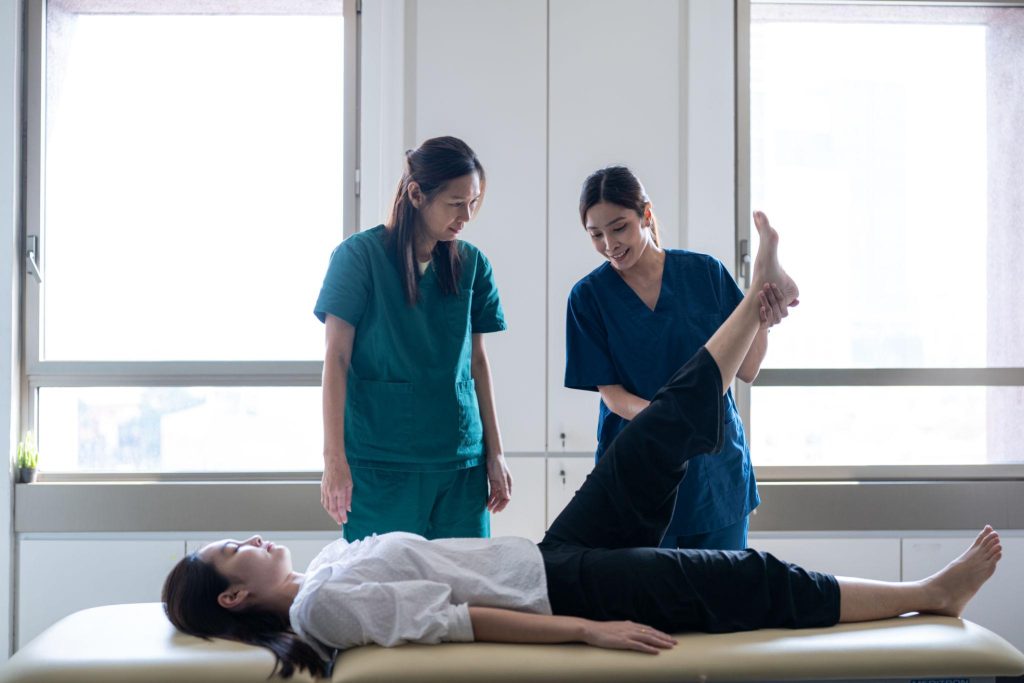
Physiotherapy is one of the most effective non-surgical approaches for treating muscle cramp. Instead of simply masking the pain, fisioterapi treatment focuses on identifying and correcting the root cause of the problem. At Iswanah Physiotherapy, physiotherapists provide personalized treatment plans based on each patient’s condition, posture, movement pattern, and muscle function.
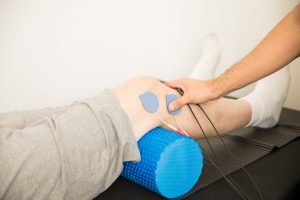
Treatment may include stretching exercises, strengthening programs, posture correction, manual therapy, and electrotherapy techniques. These approaches help reduce muscle tension, improve flexibility, and restore normal muscle function.
Stretching exercises are particularly important because they help relax tight muscles and improve mobility. Physiotherapists may also use manual therapy techniques such as soft tissue massage, trigger point therapy, and myofascial release to reduce muscle tightness and improve circulation.
Strengthening exercises are introduced to improve muscle endurance and reduce future muscle fatigue. Weak muscles are more likely to cramp, especially during physical activities or prolonged standing. By strengthening the muscles properly, physiotherapy can help reduce recurrence rates significantly.
Posture Correction and Ergonomic Advice
Poor posture contributes heavily to chronic muscle tension and recurring it. Physiotherapists assess body alignment, sitting posture, workstation ergonomics, and movement habits to identify problematic patterns.
Simple posture adjustments such as improving sitting position, using proper lumbar support, adjusting screen height, and maintaining better sleeping posture can greatly reduce muscle strain. Ergonomic advice is especially helpful for office workers who spend many hours sitting daily.
Electrotherapy and Heat Therapy
Certain physiotherapy modalities may help reduce muscle pain and relax tight muscles. Heat therapy improves blood circulation and promotes muscle relaxation, while TENS therapy and ultrasound therapy may help reduce pain signals and muscle stiffness.
These treatments are often combined with exercise therapy for better long-term results.
When Should You See a Physiotherapist?
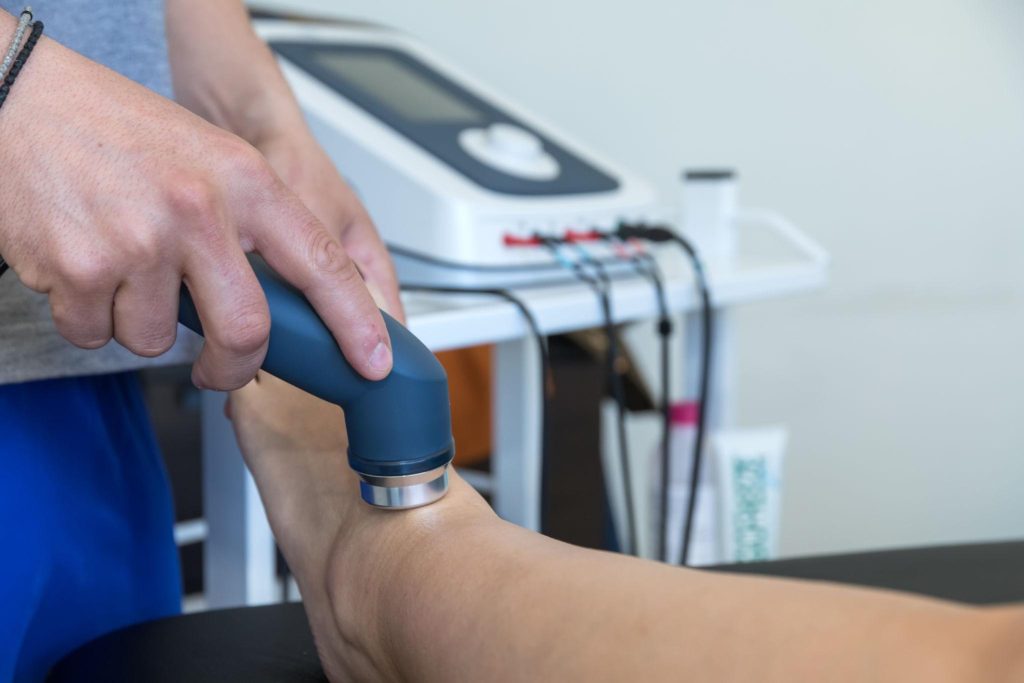
Although occasional muscle cramps are common, professional treatment may be necessary if cramps occur frequently or interfere with daily activities. You should consider seeing a physiotherapist if your muscle cramps disturb your sleep, cause ongoing pain, or occur alongside weakness and numbness.
Early physiotherapy intervention can help identify underlying problems before they worsen. Addressing muscle imbalance, posture issues, nerve irritation, and movement dysfunction early may significantly improve long-term outcomes.
Conclusion
Muscle cramp is more than just temporary discomfort. Frequent or recurring muscle cramps may indicate dehydration, muscle fatigue, poor circulation, nerve compression, mineral deficiency, poor posture, or underlying medical conditions. Understanding the hidden causes of muscle cramp is essential for effective treatment and prevention.
Professional fisioterapi treatment can help relieve pain, improve flexibility, strengthen muscles, and reduce the risk of recurring cramps. Through personalized rehabilitation programs and posture correction, physiotherapy addresses the root cause rather than simply masking symptoms.
If you are experiencing persistent muscle cramp symptoms, professional treatment may help improve your mobility and overall quality of life. Visit Iswanah Physiotherapy today to learn more about available physiotherapy services and personalized treatment options.