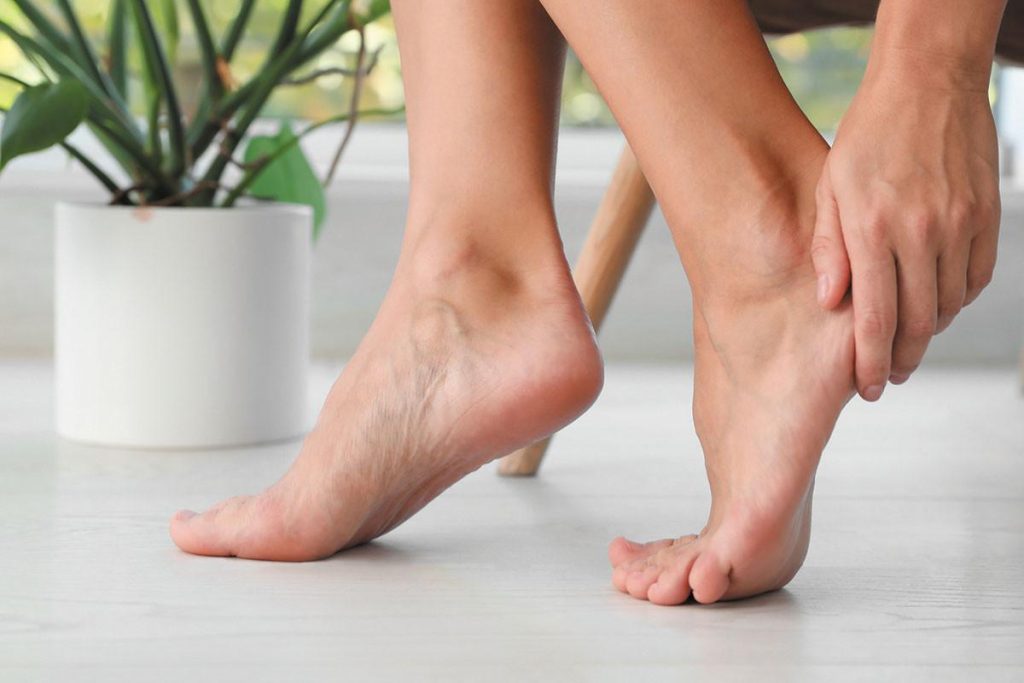
A Heel Spur is a bony growth (calcium deposit) that develops on the underside of the heel bone (calcaneus). It often forms over time due to continuous strain on the foot muscles and ligaments, especially the plantar fascia.
Although many people associate heel spurs with pain, not all heel spurs cause discomfort. However, when inflammation is present—commonly linked to plantar fasciitis—it can result in significant heel pain, especially during movement.
What Causes Heel Spurs?
Heel spurs typically develop due to repetitive stress and strain on the foot. Here are the most common causes:
1. Plantar Fasciitis
This is the leading cause of heel spurs. The plantar fascia ligament becomes inflamed due to overuse, leading to micro-tears and eventually calcium buildup.
2. Prolonged Standing or Walking
People who spend long hours standing—such as retail workers or healthcare professionals—are at higher risk.
3. Improper Footwear
Wearing shoes with poor arch support or thin soles increases stress on the heel.
4. Obesity or Sudden Weight Gain
Excess body weight puts additional pressure on the heel bone.
5. Ageing
As we age, the plantar fascia becomes less flexible and more prone to injury.
Symptoms of Heel Spur
Not all heel spurs cause symptoms, but when they do, the following signs are common:
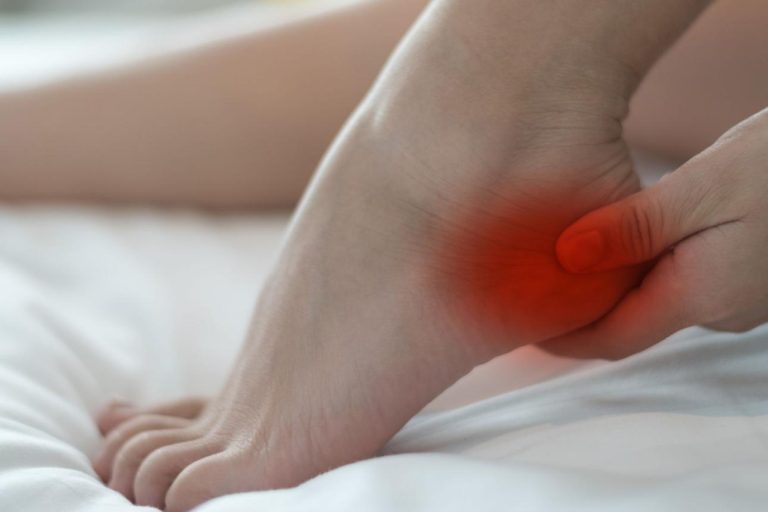
- Sharp pain in the heel, especially during the first steps in the morning
- A stabbing sensation when standing after long periods of rest
- Inflammation and swelling around the heel
- Warmth in the affected area
- Persistent discomfort after long periods of standing or walking
How Is Heel Spur Diagnosed?
A heel spur is typically diagnosed through:
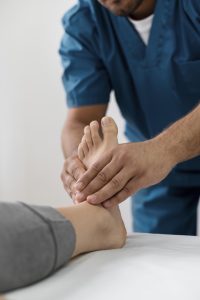
- Physical Examination – A physiotherapist evaluates pain points and foot movement
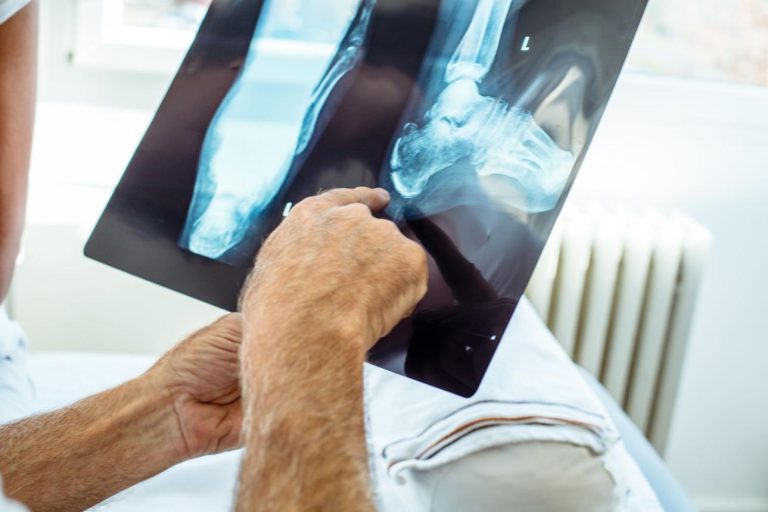
- X-ray Imaging – Confirms the presence of a bony growth
- Medical History Review – Identifies lifestyle factors contributing to the condition
For more clinical understanding, you may refer to this external resource by Mayo Clinic:
👉 https://www.mayoclinic.org/diseases-conditions/heel-spurs/symptoms-causes/syc-20378470
Effective Treatment Options for Heel Spur
1. Physiotherapy Treatment
Physiotherapy plays a crucial role in managing heel spur pain. At Iswanah Rawang, treatments are designed to reduce inflammation and restore mobility.
Common physiotherapy methods include:
- Ultrasound therapy
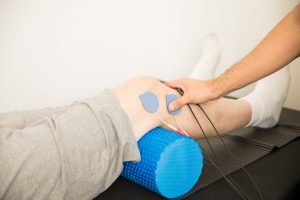
- TENS (Transcutaneous Electrical Nerve Stimulation)
- Manual therapy and soft tissue release
- Stretching and strengthening exercises
👉 Learn more about physiotherapy services here:
https://www.iswanahphysiotherapy.com
2. Acupuncture Therapy
Acupuncture is an effective alternative treatment that helps:
- Reduce inflammation
- Improve blood circulation
- Relieve chronic pain
This method is widely used at iswanah rawang as part of a holistic approach to healing.
3. Stretching Exercises
Regular stretching helps relieve tension in the plantar fascia.
Examples:
- Calf stretch against the wall
- Towel stretch for the foot
- Rolling foot over a frozen bottle
4. Orthotic Support
Custom insoles or heel pads can:
- Provide proper arch support
- Reduce pressure on the heel
- Improve walking posture
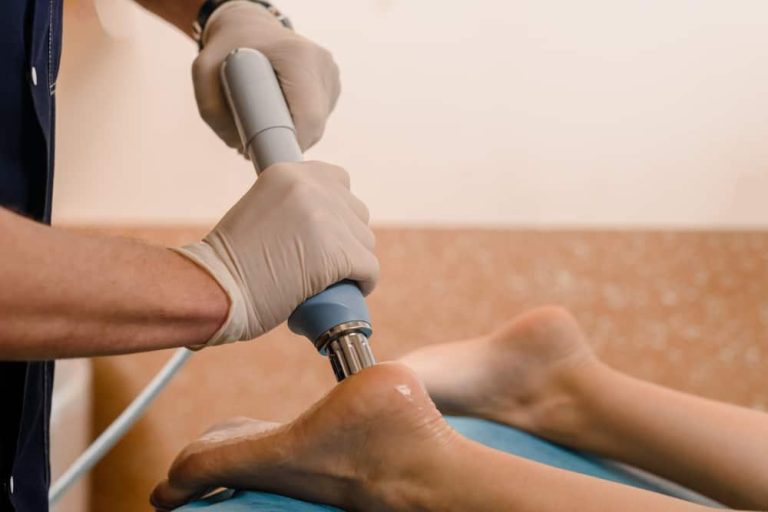
5. Shockwave Therapy
Shockwave therapy is a modern treatment that stimulates healing in the affected tissue. It is especially effective for chronic cases.
When Should You Seek Treatment?
You should consider professional treatment if:
- Pain persists for more than 2 weeks
- You experience difficulty walking
- Home remedies are not effective
- Pain worsens over time
Early treatment prevents the condition from becoming chronic.
Why Choose Iswanah Rawang for Heel Spur Treatment?
If you’re looking for a trusted centre for heel pain treatment, iswanah rawang offers a combination of modern physiotherapy and traditional acupuncture.
Key Benefits:
- Experienced therapists
- Non-invasive treatment options
- Personalized treatment plans
- Multiple branches for accessibility
Patients often report significant improvement in pain levels and mobility after consistent treatment.
Prevention Tips for Heel Spur
Preventing heel spurs is possible with simple lifestyle changes:
1. Wear Proper Footwear Daily
Your choice of footwear plays a critical role in preventing heel spur formation.
What to look for:
- Good arch support
- Cushioned heel padding
- Shock-absorbing soles
- Proper fit (not too tight or too loose)
Avoid:
- Flat slippers with no support
- High heels for long periods
- Worn-out shoes with uneven soles
💡 Tip: Replace your shoes every 6–12 months if you use them frequently, especially if you walk or stand a lot.
2. Maintain a Healthy Body Weight
Excess weight increases pressure on your heels, accelerating wear and tear on the plantar fascia.
Why it matters:
- Every extra kilogram adds stress to your heel
- Increased strain leads to inflammation and micro-tears
- Higher risk of developing both plantar fasciitis and heel spur
💡 Even a small reduction in weight can significantly reduce heel pain.
3. Stretch Your Feet and Calf Muscles Regularly
Tight calf muscles and plantar fascia are major contributors to heel spur pain.
Recommended stretches:
- Calf stretch (wall stretch) – improves flexibility
- Towel stretch – reduces plantar fascia tension
- Foot rolling (ball or frozen bottle) – massages tissue
💡 Best time to stretch:
- Before getting out of bed
- Before and after exercise
- After long periods of standing
Consistency is key—stretching daily can prevent long-term issues.
4. Avoid Prolonged Standing or Walking
Standing for extended periods without rest can overload your heels.
If your job requires standing:
- Use anti-fatigue mats
- Take short sitting breaks every 1–2 hours
- Shift weight between both feet
- Wear supportive footwear at all times
💡 Small posture adjustments can reduce stress on the heel significantly.
5. Use Orthotic Insoles or Heel Pads
Orthotic support helps distribute pressure evenly across your feet.
Benefits:
- Reduces strain on the plantar fascia
- Improves walking posture
- Absorbs shock during movement
You can use:
- Custom orthotics (recommended for chronic cases)
- Over-the-counter insoles for daily support
6. Warm Up Before Physical Activity
Jumping straight into exercise without warming up increases injury risk.
Proper warm-up routine:
- Light walking (5–10 minutes)
- Gentle calf and foot stretches
- Ankle mobility exercises
💡 This prepares your muscles and reduces sudden strain on your heel.
7. Avoid Hard Surfaces for Long Durations
Walking or standing on hard surfaces like concrete can worsen heel stress.
Solutions:
- Use cushioned footwear
- Add floor mats at workstations
- Alternate surfaces when possible
8. Listen to Your Body (Early Warning Signs)
Do not ignore early symptoms such as:
- Mild heel discomfort
- Tightness in the morning
- Slight pain after long standing
💡 Early intervention can prevent a minor issue from becoming a chronic heel spur condition.
9. Stay Active, But Smart
Regular movement is important—but overuse is harmful.
Recommended activities:
- Low-impact exercises (swimming, cycling)
- Controlled walking with proper shoes
Avoid:
- Excessive running on hard surfaces
- Sudden increase in workout intensity
10. Seek Early Professional Care
If you start noticing persistent heel pain, getting early treatment is crucial.
Professional care at iswanah rawang can help:
- Detect early signs of plantar fascia strain
- Provide preventive physiotherapy
- Reduce inflammation before it worsens
👉 Explore treatment options here:
https://www.iswanahphysiotherapy.com
Frequently Asked Questions (FAQ)
1. Is a Heels Spur permanent?
A heels spur itself may remain, but the pain can be effectively managed or eliminated with proper treatment.
2. Can Heels Spur heal without surgery?
Yes. Most cases are treated successfully with non-surgical methods like physiotherapy and acupuncture.
3. How long does recovery take?
Recovery varies depending on severity but typically ranges from a few weeks to several months.
4. Is walking bad for Heels Spur?
Excessive walking can worsen pain, but controlled movement and proper footwear can aid recovery.
Conclusion
A Heels Spur can significantly affect your daily life if left untreated. The good news is that with the right combination of physiotherapy, acupuncture, and lifestyle adjustments, you can effectively manage and even eliminate the pain.
If you’re experiencing persistent heel pain, don’t ignore it. Seek professional care early to avoid long-term complications.
At iswanah, patients receive comprehensive, non-invasive treatments designed to restore mobility and improve quality of life.
👉 Take the first step towards recovery today:
https://www.iswanahphysiotherapy.com