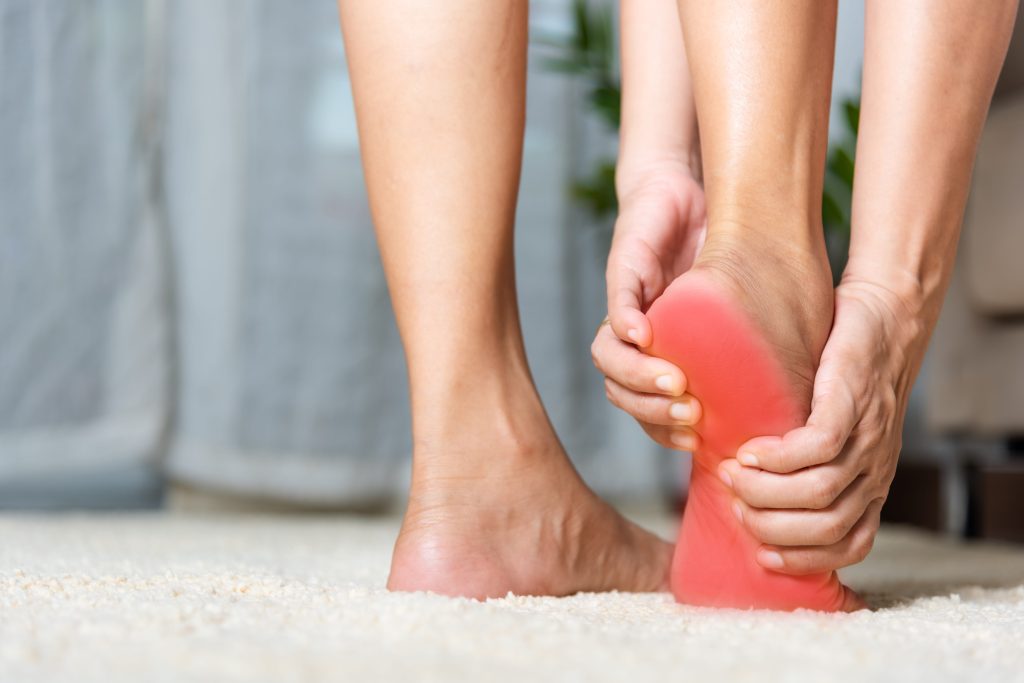
Heel pain can make simple activities such as walking, standing, exercising, or getting out of bed uncomfortable. One condition commonly associated with this type of discomfort is Heels spur, a bony growth that develops around the heel bone.
However, having a heel spur does not automatically mean that it is the direct cause of pain. Heel spurs are commonly found alongside plantar fascia problems, and some people can have them without experiencing symptoms. Understanding what is contributing to your heel pain is therefore important before beginning treatment.
Physiotherapy can play an important role in managing heel pain by addressing mobility, muscle strength, flexibility, foot mechanics, and the amount of stress placed on the affected area.
What Is a Heels Spur?
A Heels spur is a bony growth that can form around the calcaneus, or heel bone. It may develop gradually in response to repeated stress around the structures attached to the heel.
Heel spurs are frequently associated with plantar fasciitis or plantar heel pain. The plantar fascia is a strong band of connective tissue running along the bottom of the foot from the heel towards the toes.
Importantly, the presence of a spur does not necessarily explain the pain. Some people have heel spurs on imaging but experience no symptoms at all. Therefore, treatment should focus on the overall condition of the foot rather than simply trying to “remove” the spur.
Common Symptoms
People experiencing Heels spur or related plantar heel pain may notice:
- Pain underneath or around the heel
- Discomfort during the first few steps after waking up
- Pain after sitting or resting for a long period
- Increased discomfort after prolonged standing or walking
- Tenderness underneath the heel
- Difficulty performing running or high-impact activities
Pain that is particularly noticeable during the first steps in the morning is also commonly associated with plantar fascia irritation.
According to the NHS guide to plantar fasciitis, plantar fasciitis typically causes pain around the heel and arch, and symptoms may become worse after rest or prolonged weight-bearing activity.
What Causes Heel Spur-Related Pain?
Several factors may contribute to Heels spur and plantar heel pain. These include sudden increases in walking or running, prolonged standing, tight calf muscles, unsuitable footwear, poor cushioning, and increased stress on the plantar fascia.
Foot mechanics may also contribute. For example, reduced ankle mobility or the way the foot distributes pressure during walking can increase stress around the heel.
A physiotherapist can assess these factors to determine which ones may be contributing to your symptoms.
1. Physiotherapy Assessment
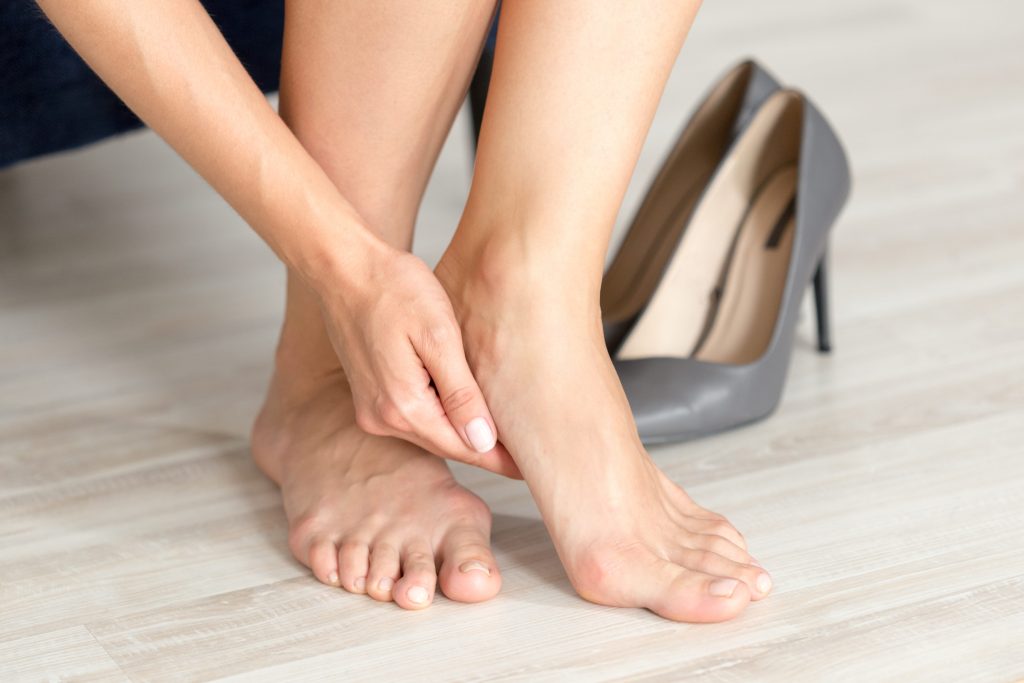
An effective Heels spur treatment plan should begin with a proper assessment.
During physiotherapy, the therapist may assess your pain pattern, ankle mobility, calf flexibility, foot movement, strength, balance, walking pattern, footwear, and daily activities.
This helps identify whether your heel pain is related to plantar fascia irritation, excessive loading, muscle tightness, reduced mobility, or another contributing factor.
Treatment can then be adjusted according to your individual condition rather than using the same programme for everyone.
2. Stretching Exercises
Stretching can be useful when managing Heels spur symptoms, particularly when tight calf muscles or reduced ankle flexibility are contributing to the problem.
Common exercises may include calf stretches and plantar fascia stretches.
The American Academy of Orthopaedic Surgeons notes that physical therapists can teach specific exercises for plantar fasciitis and that stretching the calf and plantar fascia forms part of conservative management.
Exercises should be performed correctly and consistently. Your physiotherapist can recommend an appropriate frequency and intensity based on your condition.
3. Strengthening the Foot and Lower Leg
Treatment should not focus only on stretching.
Strengthening exercises can help improve the ability of the foot, ankle, and lower leg to tolerate everyday loads. Depending on the assessment, rehabilitation may involve exercises targeting the calf muscles, ankle stabilisers, and muscles supporting the foot.
For people with Heels spur, progressive strengthening can be particularly useful when returning to activities such as prolonged walking, exercise, or sports.
The goal is to gradually improve the capacity of the affected tissues rather than avoiding movement completely.
4. Activity and Load Management
If you suddenly increase your walking, running, or standing time, your foot may receive more stress than it is accustomed to.
Physiotherapy can help you manage this load.
For example, someone experiencing Heels spur symptoms after increasing their running distance may temporarily need to reduce high-impact activity while continuing appropriate rehabilitation exercises.
This does not necessarily mean complete rest. Instead, activity can be modified and gradually increased as symptoms improve.
5. Supportive Footwear
Footwear is another important consideration.
Shoes with suitable cushioning and support may help reduce discomfort during walking and standing. Walking barefoot on hard surfaces may aggravate symptoms in some individuals.
For certain cases of Heels spur, a physiotherapist or other qualified healthcare professional may also recommend heel cushions or insoles based on the person’s foot mechanics and symptoms.
The Royal Orthopaedic Hospital advises that padded footwear, heel pads, stretching, and appropriate insoles can help reduce mechanical stress associated with heel pain.
6. Manual Therapy and Symptom Management
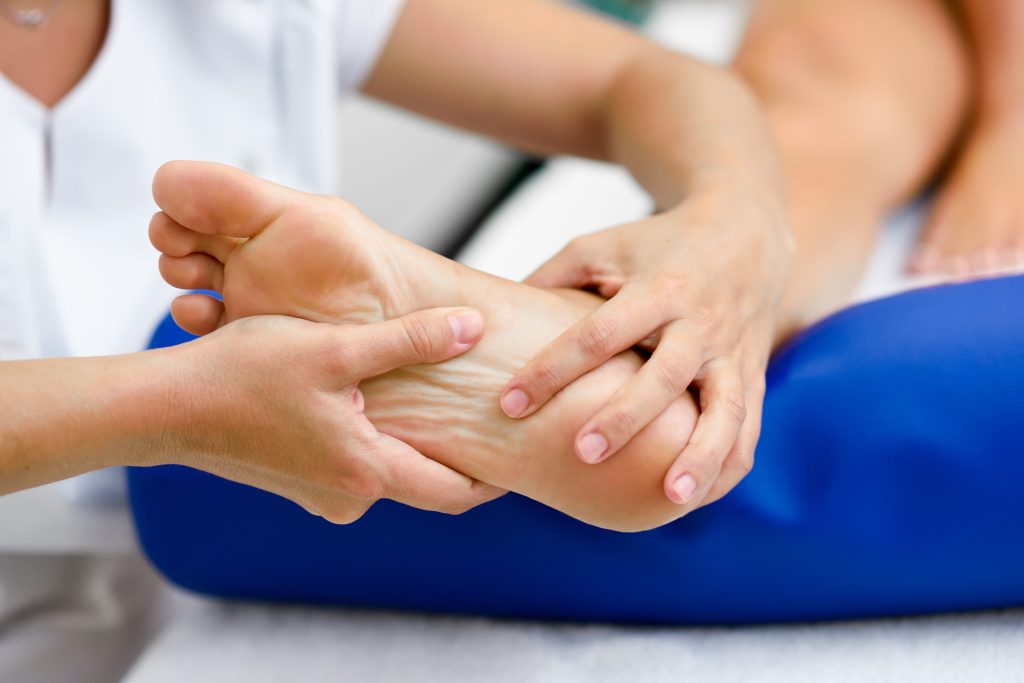
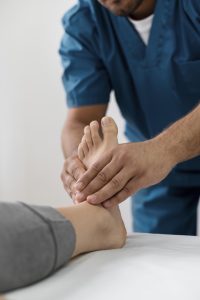
Depending on your assessment, physiotherapy may incorporate manual techniques alongside exercise.
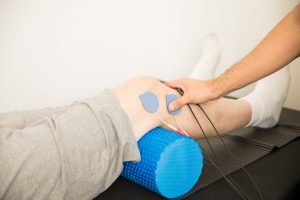
Soft tissue techniques may be used around the calf or plantar fascia to help manage symptoms and improve movement. Taping may also provide temporary support for some patients.
These approaches generally work best as part of a broader rehabilitation programme rather than being relied upon as the only treatment.
Your physiotherapist will determine whether these methods are appropriate for your specific Heels spur symptoms.
7. Shockwave Therapy for Persistent Heel Pain
For persistent plantar heel pain that has not responded sufficiently to conservative treatment, extracorporeal shockwave therapy may sometimes be considered.
Shockwave therapy delivers mechanical waves to the affected area and is generally considered for longer-lasting cases rather than as the first treatment option.
It should be recommended based on a clinical assessment because not every person with heel pain requires this type of intervention.
How Long Does Recovery Take?
Recovery time varies from person to person.
Some patients experience improvement within several weeks, while others may require a few months of consistent rehabilitation. Factors such as symptom duration, daily activity, physical condition, footwear, and adherence to exercises can influence progress.
When managing Heels spur, consistency is important. Following your physiotherapy programme and gradually increasing activity can help improve function while avoiding unnecessary overload.
When Should You Seek Professional Help?
Consider getting your heel assessed if the pain is severe, keeps returning, becomes progressively worse, or prevents you from performing normal activities.
Medical assessment is particularly important if heel pain is accompanied by significant swelling, numbness, tingling, an injury, or difficulty putting weight on the foot.
Persistent pain should not simply be assumed to be caused by a heel spur, as several conditions can produce similar symptoms.
Take the First Step Towards Better Movement

Living with Heels spur symptoms can affect walking, exercise, work, and everyday comfort, but conservative management and physiotherapy can help many people manage plantar heel pain.
At Iswanah Physiotherapy, our physiotherapy team can assess your movement, flexibility, strength, and daily activities before developing an individualised rehabilitation programme. Treatment may include appropriate exercises, stretching, strengthening, education, and other physiotherapy approaches based on your assessment.
If heel pain is affecting your daily routine, consider getting it assessed early instead of waiting for it to become more limiting.
Visit your nearest Iswanah Physiotherapy branch to learn more about physiotherapy options for heel pain and start working towards more comfortable movement.