A minor stroke—often referred to as a transient ischemic attack (TIA)—is a serious warning sign that should never be ignored. Although symptoms may appear mild or temporary, a minor stroke can increase the risk of a major stroke in the future. Early detection and proper rehabilitation, especially through physiotherapy, can significantly improve recovery and prevent complications.
In this article, we’ll explore the symptoms, causes, and how physiotherapy plays a vital role in recovery after a minor stroke.
What is a Minor Stroke?
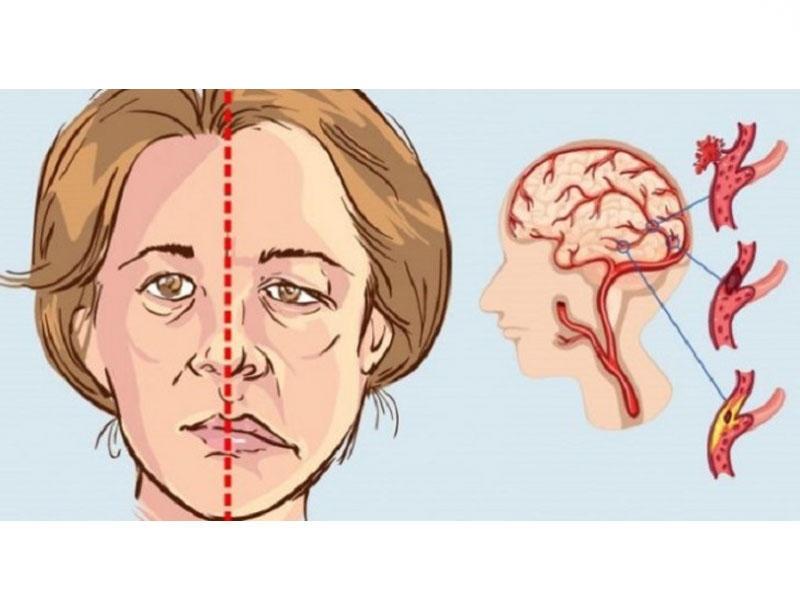
A minor stroke occurs when there is a temporary disruption of blood flow to the brain. Unlike major strokes, the symptoms may resolve within minutes or hours, but the underlying issue remains.
Even if symptoms disappear quickly, it’s crucial to seek medical attention immediately. Many people ignore early warning signs, which can lead to severe consequences later.
Common Minor Stroke Symptoms You Should Never Ignore
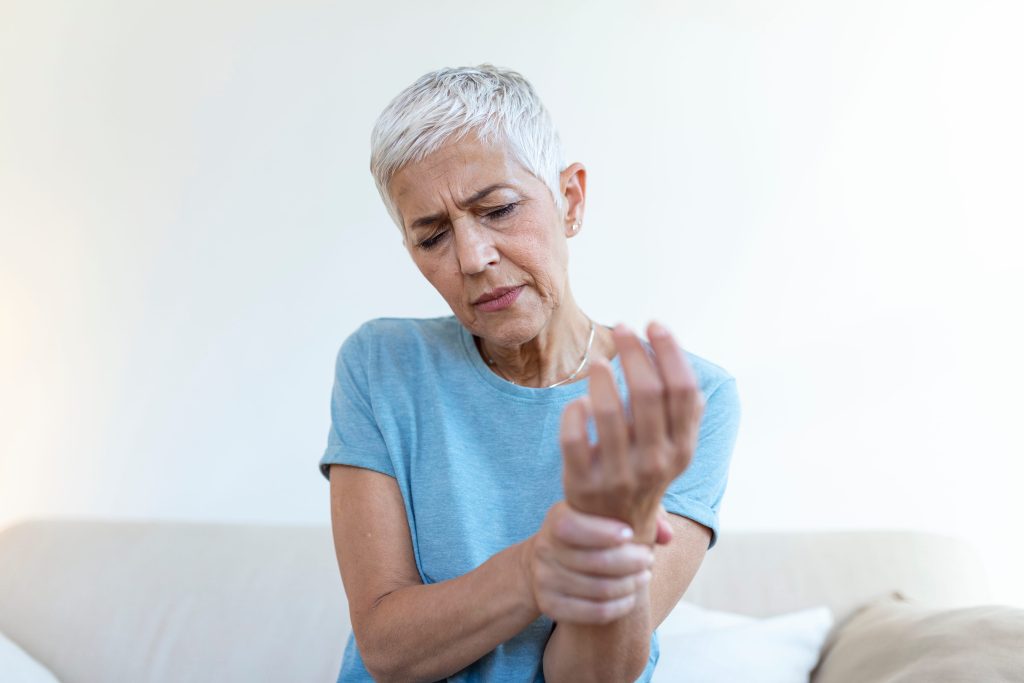
Recognizing early signs can save lives. Below are some of the most common symptoms:
- Sudden weakness or numbness, especially on one side of the body
- Difficulty speaking or slurred speech
- Blurred or double vision
- Sudden dizziness or loss of balance
- Confusion or trouble understanding speech
- Severe headache with no known cause
These symptoms may last only a short time, but they are critical warning signals of a minor stroke.
What Causes a Minor Stroke?
A minor stroke is usually caused by a temporary blockage in the blood vessels supplying the brain. Common risk factors include:
- High blood pressure
- Diabetes
- High cholesterol
- Smoking
- Sedentary lifestyle
- Obesity
Addressing these risk factors early can reduce the likelihood of recurrence.
Why Physiotherapy is Essential After a Minor Stroke
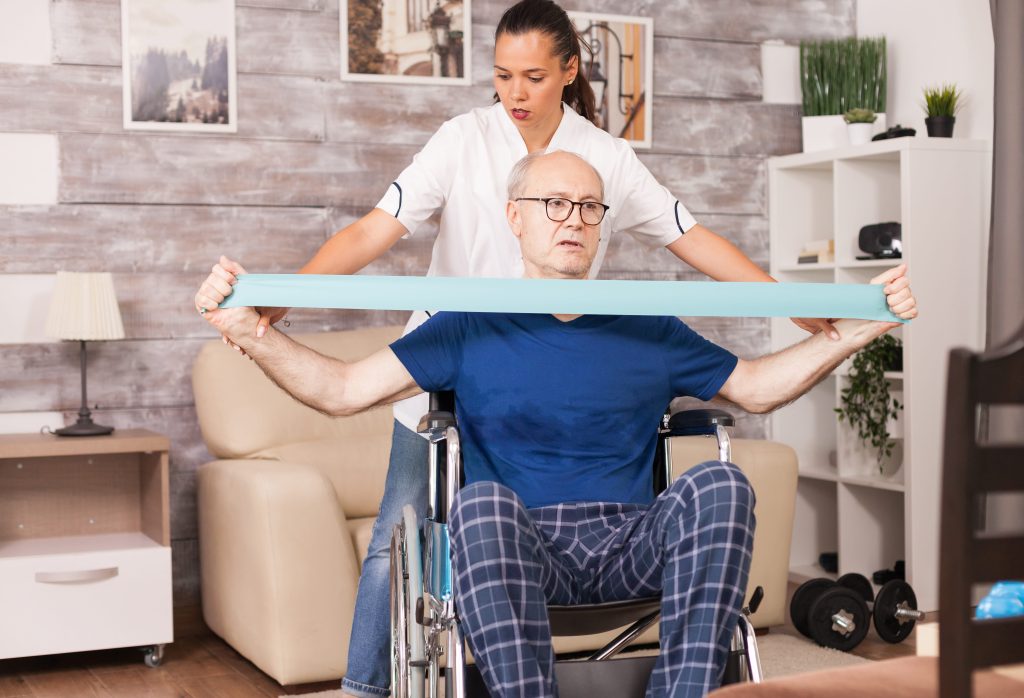
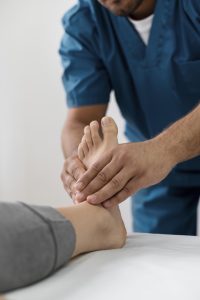
Physiotherapy plays a key role in restoring function and preventing long-term disability after a minor stroke. Even if symptoms seem mild, hidden impairments may still affect mobility, coordination, and strength.
1. Restore Movement and Strength
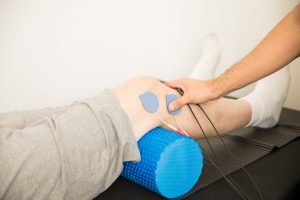
Physiotherapists help patients regain muscle strength and improve joint mobility through targeted exercises.
2. Improve Balance and Coordination
After a minor stroke, patients may experience instability. Physiotherapy focuses on balance training to reduce the risk of falls.
3. Enhance Brain Recovery (Neuroplasticity)
Rehabilitation exercises stimulate the brain to form new neural connections, helping patients recover lost functions more effectively.
4. Prevent Future Stroke Risks
Physiotherapists also guide patients on lifestyle modifications, including exercise routines and posture correction.
Physiotherapy Techniques for Minor Stroke Recovery
Here are some commonly used physiotherapy approaches that are essential to support a safe and effective recovery after a minor stroke. Each technique is carefully tailored based on the patient’s condition, severity of symptoms, and rehabilitation goals:
1. Range of Motion Exercises
These exercises are designed to maintain and improve flexibility in the joints and muscles, especially in areas affected by weakness or stiffness. After a minor stroke, patients may unconsciously reduce movement on one side of the body, leading to joint tightness.
Physiotherapists guide patients through both passive movements (assisted by the therapist) and active movements (performed by the patient) to ensure joints remain mobile. This helps prevent complications such as muscle shortening, joint contractures, and long-term stiffness, while also promoting better blood circulation.
2. Strength Training
Muscle weakness is a common issue following a minor stroke, even if it appears mild. Strength training focuses on rebuilding muscle power through controlled and progressive resistance exercises.
Therapists may use body weight, resistance bands, or light weights to gradually improve strength without overexertion. The goal is not only to restore muscle function but also to improve endurance, allowing patients to perform daily activities with less fatigue. Strengthening key muscle groups also supports better posture and reduces strain on other parts of the body.
3. Gait Training
Walking may become unsteady or inefficient after a minor stroke. Gait training helps patients relearn proper walking patterns in a safe and structured way.
This may include:
- Step-by-step walking practice
- Use of assistive devices such as canes or walkers
- Correction of posture and foot placement
4. Balance and Postural Training
Balance issues can occur even after a minor stroke, increasing the risk of falls and injuries. This type of training focuses on improving body awareness, stability, and control.
Exercises may include:
- Standing on different surfaces
- Weight-shifting activities
- Core stability exercises
Postural correction is also emphasized to ensure proper alignment of the spine and body during movement. Better posture not only improves balance but also reduces muscle strain and enhances overall functional performance.
5. Functional Training
Functional training is one of the most practical aspects of physiotherapy, as it focuses on real-life daily activities. The aim is to help patients regain independence in tasks such as:
- Sitting and standing
- Getting in and out of bed
- Reaching and lifting objects
- Climbing stairs
Therapists simulate everyday situations to retrain movement patterns and improve coordination. This approach ensures that recovery is not just clinical but also meaningful in the patient’s daily life.
When Should You Start Physiotherapy?
The best time to start physiotherapy is as early as possible after a minor stroke. Early intervention leads to:
- Faster recovery
- Better functional outcomes
- Reduced risk of complications
- Improved quality of life
Delaying treatment may result in muscle weakness, stiffness, and reduced mobility.
Tips to Prevent Another Stroke

Prevention is always better than cure. Here are some practical tips:
- Maintain a healthy diet
- Exercise regularly
- Monitor blood pressure and sugar levels
- Avoid smoking and alcohol
- Manage stress effectively
Conclusion
A minor stroke is a critical warning sign that should never be underestimated. Early recognition of symptoms and immediate medical care are essential to prevent a major stroke. Physiotherapy plays a powerful role in recovery by improving strength, balance, and overall function.
If you or your loved ones experience any symptoms of a minor stroke, seek professional help immediately and begin rehabilitation as soon as possible. Taking action early can make a life-changing difference.