A minor stroke may seem less severe compared to a major stroke, but its impact on mobility, coordination, and daily function should never be underestimated. Early and structured physiotherapy plays a crucial role in helping patients regain independence and prevent long-term complications. At Iswanah Physiotherapy, a personalized and holistic approach is used to support recovery safely and effectively.
In this article, we’ll explore how physiotherapy helps after a minor stroke and the most effective techniques used to accelerate recovery.
Understanding Minor Stroke and Its Effects
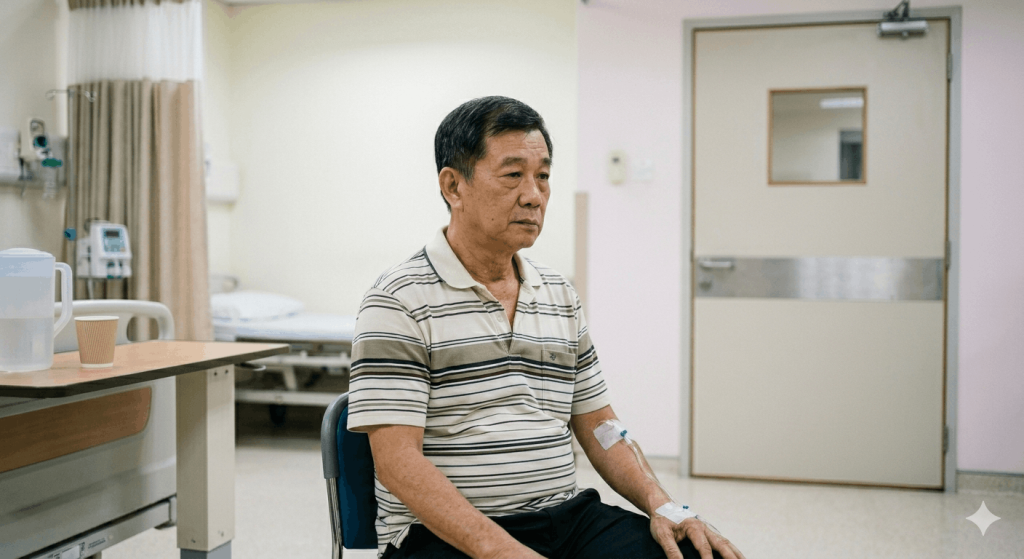
A minor stroke, also known as a transient ischemic attack (TIA) or mild stroke, occurs when blood flow to the brain is temporarily disrupted. Although symptoms may improve within a short period, patients often experience lingering issues such as:
- Muscle weakness
- Poor coordination
- Balance problems
- Fatigue
- Reduced fine motor skills
Without proper rehabilitation, these symptoms can affect quality of life and increase the risk of a future stroke.
Why Physiotherapy is Essential After a Minor Stroke
Physiotherapy is one of the most important components of recovery. It focuses on restoring movement, improving strength, and retraining the brain through neuroplasticity. Early intervention significantly improves outcomes and helps patients return to their normal routines faster.
At Iswanah Physiotherapy, treatment plans are tailored based on each patient’s condition, ensuring safe and progressive recovery.
1. Range of Motion Exercises to Prevent Stiffness
After a minor stroke, patients often experience reduced movement in certain joints due to muscle weakness, neurological disruption, or prolonged inactivity. Without early intervention, this limitation can gradually lead to stiffness, discomfort, and even long-term joint complications. That’s why range of motion (ROM) exercises are one of the first and most important physiotherapy techniques introduced during recovery.
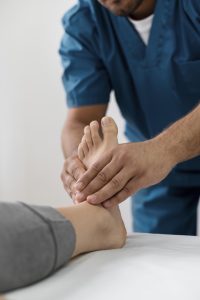
A range of motion exercises are designed to gently move joints through their full natural movement. These exercises can be performed either actively (where the patient moves the joint independently) or passively (where the therapist assists the movement). In the early stages, passive movements are especially helpful for patients who have limited control, ensuring that joints remain mobile without strain.
These exercises:
- Improve joint mobility and flexibility
- Reduce muscle tightness and stiffness
- Prevent contractures (permanent shortening of muscles or joints)
- Enhance blood circulation to affected areas
- Prepare the body for more advanced rehabilitation exercises
At Iswanah Physiotherapy, therapists carefully assess each patient’s condition before designing a ROM program. Movements are performed slowly and in a controlled manner to avoid injury while maximizing effectiveness. Over time, as strength and coordination improve, patients are gradually encouraged to transition from assisted movements to active participation.
Consistency is key. Performing these exercises regularly not only maintains joint health but also helps stimulate the brain’s recovery process. With proper guidance and progression, range of motion exercises lay a strong foundation for restoring normal movement and improving overall function after a minor stroke.
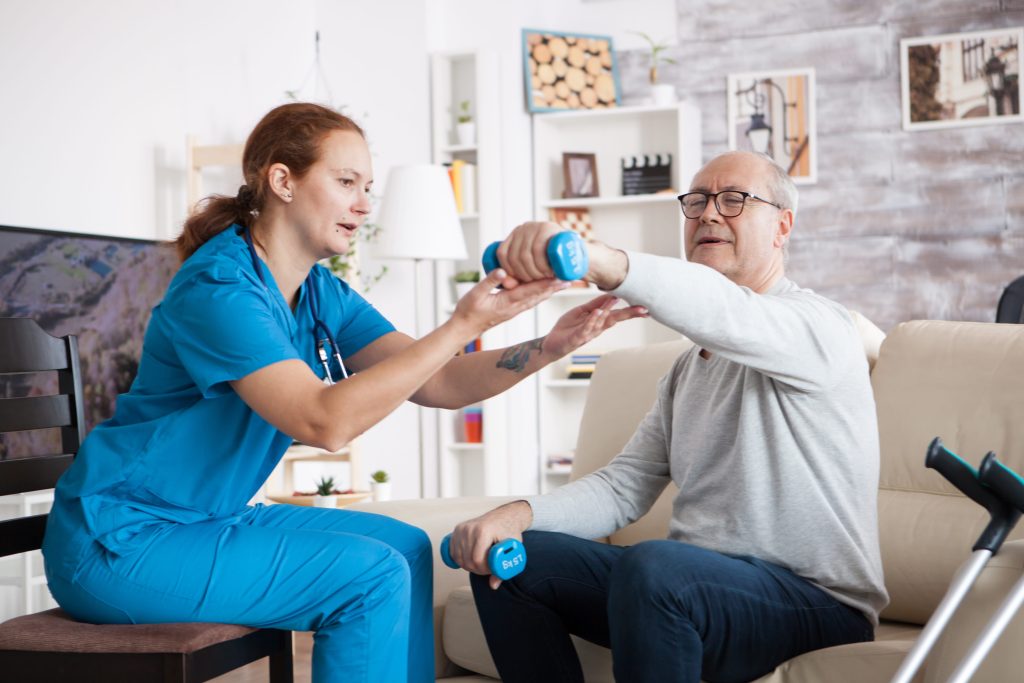
2. Strength Training for Muscle Recovery
Muscle weakness is a common effect of a minor stroke. Strength training focuses on rebuilding muscle power gradually.
Benefits include:
- Improved limb control
- Better posture
- Increased endurance
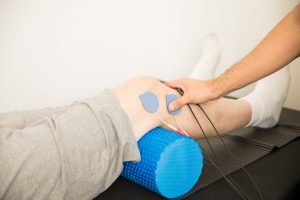
Resistance bands, light weights, and bodyweight exercises are often used depending on the patient’s ability level.
3. Balance and Coordination Training
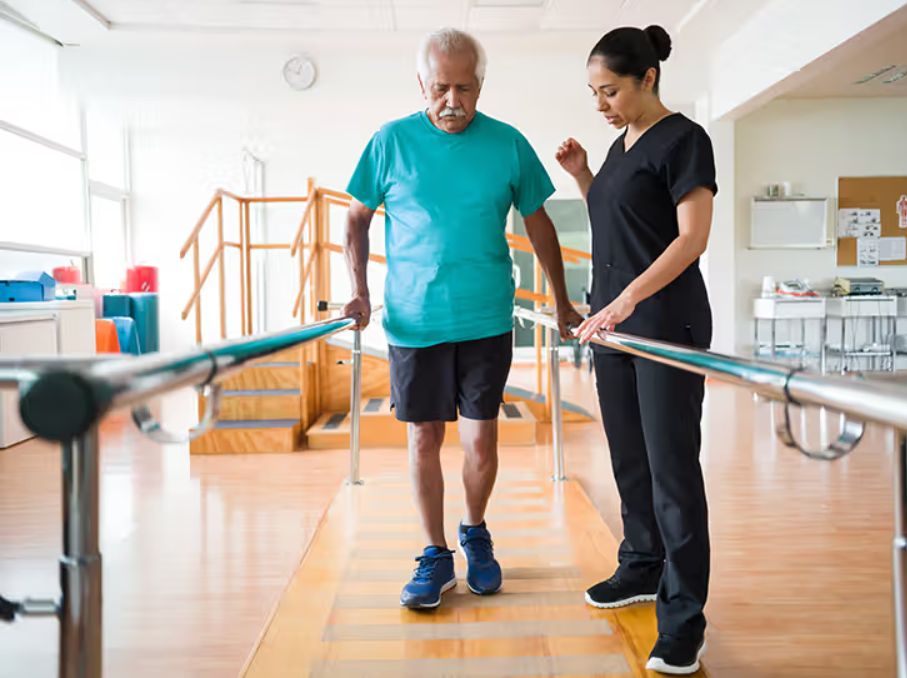
Balance issues increase the risk of falls, especially in stroke patients. Physiotherapy includes targeted exercises to improve stability and coordination.
These may involve:
- Standing balance drills
- Weight-shifting exercises
- Controlled walking patterns
Improved balance helps patients regain confidence in daily movements.
4. Gait Training for Walking Improvement
Many patients struggle with walking after a minor stroke. Gait training helps them relearn proper walking techniques.
This includes:
- Step correction
- Walking alignment
- Use of assistive devices if needed
Therapists ensure patients develop a safe and efficient walking pattern.
5. Functional Training for Daily Activities
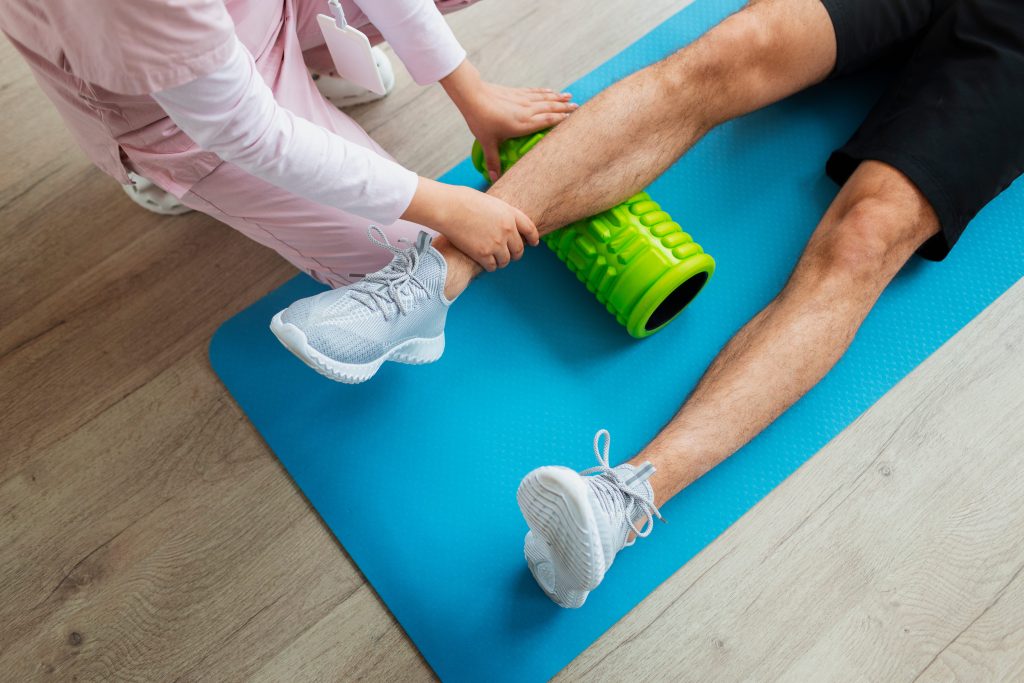
Functional training focuses on real-life movements such as:
- Sitting and standing
- Climbing stairs
- Reaching and grasping objects
This approach ensures that improvements in therapy translate into everyday independence.
6. Neuromuscular Re-education
This technique helps retrain the brain and muscles to work together again. Since a minor stroke affects communication between the brain and body, this step is crucial.
It involves:
- Repetitive movement training
- Coordination drills
- Task-specific exercises
Over time, the brain forms new pathways, improving movement control.
7. Patient Education and Lifestyle Modification
Recovery doesn’t stop at the clinic. Education plays a vital role in preventing future strokes.
Patients are guided on:
- Safe exercise routines at home
- Posture correction
- Healthy lifestyle habits
Benefits of Physiotherapy at Iswanah Physiotherapy
Choosing the right physiotherapy center makes a big difference in recovery. At Iswanah Physiotherapy, patients receive:
- Personalized treatment plans
- Experienced therapists
- Safe and modern techniques
- Continuous progress monitoring
The goal is not just recovery, but restoring confidence and independence.
When Should You Start Physiotherapy?
The best time to begin physiotherapy after a minor stroke is as early as possible, once the patient is medically stable. Early rehabilitation leads to faster and more effective recovery outcomes.
Delaying treatment may result in:
- Muscle stiffness
- Reduced mobility
- Slower recovery
Conclusion
A minor stroke is a warning sign that should never be ignored. With the right physiotherapy approach, patients can recover effectively and regain control of their lives.
At Iswanah Physiotherapy, the focus is on evidence-based treatment combined with personalized care to ensure optimal results. Whether it’s improving strength, balance, or daily function, physiotherapy plays a key role in every stage of recovery.
If you or your loved one has experienced a minor stroke, seeking early physiotherapy treatment can make a significant difference in long-term health and wellbeing.