Introduction
Peripheral neuropathy can turn walking, dressing, sleeping, or sensing the floor beneath your feet into daily challenges. It may cause burning pain, tingling, numbness, weakness, poor balance, or unusual sensitivity, often beginning in the hands or feet.
It is not something you should ignore. Peripheral neuropathy is a broad term for conditions involving damage to the peripheral nerves, which carry information between the brain and spinal cord and the rest of the body. The effect depends on which nerves are involved, how severely they are affected, and what caused the damage. Some causes can be treated or controlled, while rehabilitation may help people maintain strength, move more confidently, reduce fall risk, and continue meaningful activities.
This guide explains the warning signs, causes, diagnosis, and ten practical strategies that may reduce the impact of peripheral neuropathy, including the role of physiotherapy.
Medical note: This article is for general education and does not replace an assessment, diagnosis, or treatment plan from a qualified healthcare professional. Seek urgent medical care for sudden or rapidly worsening weakness, new loss of bladder or bowel control, difficulty breathing or swallowing, severe dizziness or fainting, or symptoms following a significant injury.
What Is Peripheral Neuropathy?
The peripheral nervous system is the communication network outside the brain and spinal cord. Its nerves carry sensory messages, control muscles, and help regulate automatic functions such as blood pressure, sweating, digestion, and bladder activity. When one or more peripheral nerves become damaged, messages may be weakened, distorted, or interrupted.
Peripheral neuropathy may affect:
Sensory nerves, causing numbness, tingling, burning, electric-shock sensations, reduced temperature awareness, or pain from light touch.
Motor nerves, causing muscle weakness, cramps, reduced coordination, foot drop, or difficulty with tasks such as climbing stairs.
Autonomic nerves, causing changes in sweating, digestion, blood pressure, heart rate, bladder function, or sexual function.
A common pattern is “stocking-and-glove” neuropathy, in which symptoms begin in the toes or feet and may later affect the fingers or hands.
Common Symptoms of Peripheral Neuropathy
Symptoms may develop gradually over months or years, although some forms begin quickly. They can be mild and irritating or severe enough to affect independence. Common signs include:
Pins and needles, tingling, or prickling
Burning, stabbing, shooting, or electric-like pain
Numbness or reduced ability to feel temperature and touch
Extreme sensitivity to light contact
Muscle weakness, cramping, or twitching
Reduced balance or coordination
Frequent stumbling or unexplained falls
Difficulty lifting the front of the foot
Changes in sweating, digestion, or blood pressure
Foot wounds that are difficult to notice because sensation is reduced
Similar symptoms can come from other conditions, so accurate diagnosis matters. Early assessment may identify a treatable cause and help prevent complications.
What Causes Peripheral Neuropathy?
Diabetes is a common cause, particularly when blood glucose remains above the recommended range over time. Other causes include vitamin deficiencies, excessive alcohol use, autoimmune disorders, infections, kidney or liver disease, thyroid conditions, inherited disorders, trauma, nerve compression, and toxins.
Cancer treatments and certain medicines can also damage peripheral nerves, so medication review belongs with the prescribing clinician. When tests reveal no clear cause, the neuropathy is called idiopathic.
How Peripheral Neuropathy Is Diagnosed
Diagnosis normally begins with a detailed history and neurological examination. A doctor may ask when symptoms started, where they occur, whether they are symmetrical, what makes them better or worse, and whether there are relevant illnesses, medicines, occupational exposures, or family history.
The examination may check sensation, reflexes, strength, coordination, walking, foot condition, and balance. Blood tests can investigate blood glucose, vitamin levels, thyroid or kidney function, and inflammation. Nerve conduction studies, electromyography, imaging, or other specialist tests may also be considered.
Physiotherapists do not replace medical investigation, but they can contribute a focused movement assessment. This may include gait, lower-limb strength, joint mobility, balance reactions, functional endurance, transfers, footwear, home hazards, and the activities that matter most to the individual.
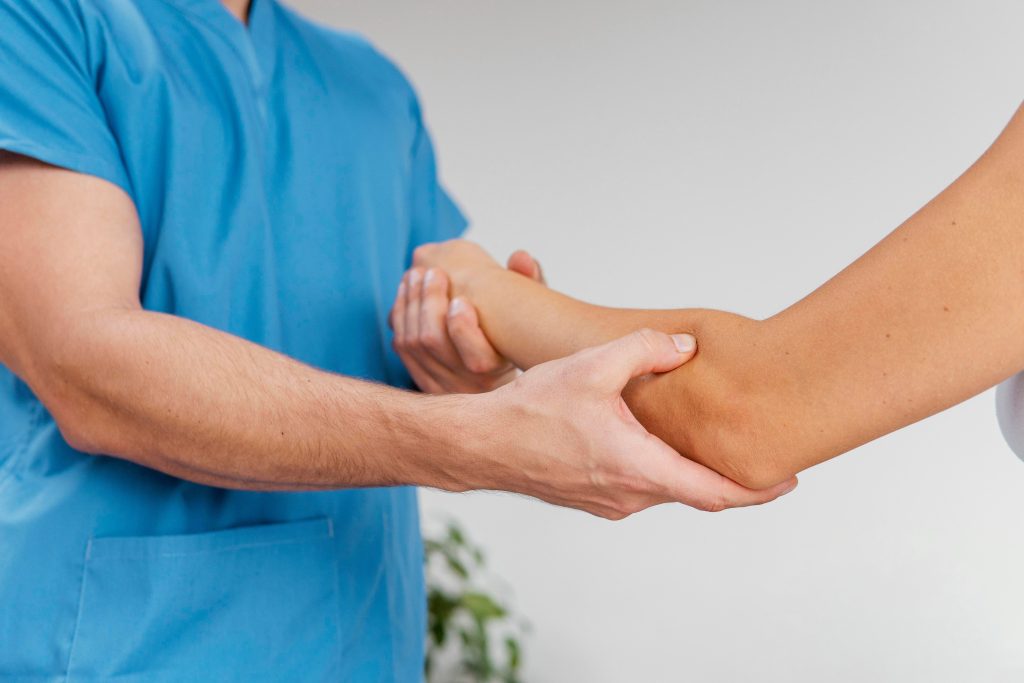
10 Powerful Ways to Reduce Nerve Pain and Regain Mobility
There is no single programme that suits every person with peripheral neuropathy. Treatment should address the underlying cause where possible, while symptom management and rehabilitation target comfort, safety, strength, and participation. The following strategies are most effective when adapted to the person’s diagnosis, medical status, and goals.
1. Identify and Treat the Underlying Cause
The first priority is finding out why the nerves peripheral neuropathy are affected. Better blood glucose management may slow further damage in people with diabetes. A confirmed vitamin deficiency may require medically supervised replacement. Nerve compression may need activity modification, splinting, physiotherapy, an injection, or surgical review. An inflammatory, infectious, or endocrine cause may require specific medical treatment.
Avoid relying only on pain relief while leaving the cause uninvestigated. Keep a symptom timeline and a complete list of medicines, supplements, medical conditions, and recent treatments to discuss with your doctor. Never stop a prescribed medicine or begin high-dose supplements without professional advice; excessive amounts of some vitamins can themselves damage nerves.
2. Use Graded Exercise Instead of Complete Rest
Pain and numbness can make movement feel unsafe, but long periods of inactivity may reduce strength, fitness, joint mobility, and confidence. Graded exercise begins at a manageable level and increases gradually according to symptoms and recovery.
A balanced plan may include low-impact cardiovascular activity, strengthening, flexibility, and functional practice. Walking, cycling, water-based exercise, or seated exercise may be appropriate; the correct starting point matters more than intensity.
Exercise should not cause sharp pain, new weakness, chest pain, severe breathlessness, or prolonged worsening of neurological symptoms. People with reduced foot sensation should inspect their skin after activity and use appropriate footwear. A physiotherapist can help determine safe dosage, technique, and progression.
3. Build Strength for Everyday Tasks
Peripheral neuropathy may weaken muscles in the feet, ankles, legs, or hands. Targeted strengthening can support transfers, stair climbing, walking, posture, and grip. Useful exercises may include sit-to-stand practice, supported heel raises, resisted ankle movements, step-ups, hip strengthening, and task-specific hand exercises.
Quality is more important than forcing repetitions. A programme should account for fatigue, pain, joint problems, and nerve impairment. Exercises may need modification, while assistive devices or orthoses can sometimes improve function.
4. Retrain Balance and Proprioception
The feet provide the brain with information about pressure, surface, and body position. When sensation is reduced, balance may become more dependent on vision and the inner ear. This is why walking in dim light or on an uneven surface can feel particularly difficult.
Balance training may involve shifting weight, stepping in different directions, reaching, turning, or practising on varied surfaces under safe supervision.
Do not begin challenging balance exercises alone beside hard furniture or on unstable equipment. The level should be difficult enough to stimulate improvement but safe enough to avoid falls. Support, guarding, and progression should be tailored to the individual.
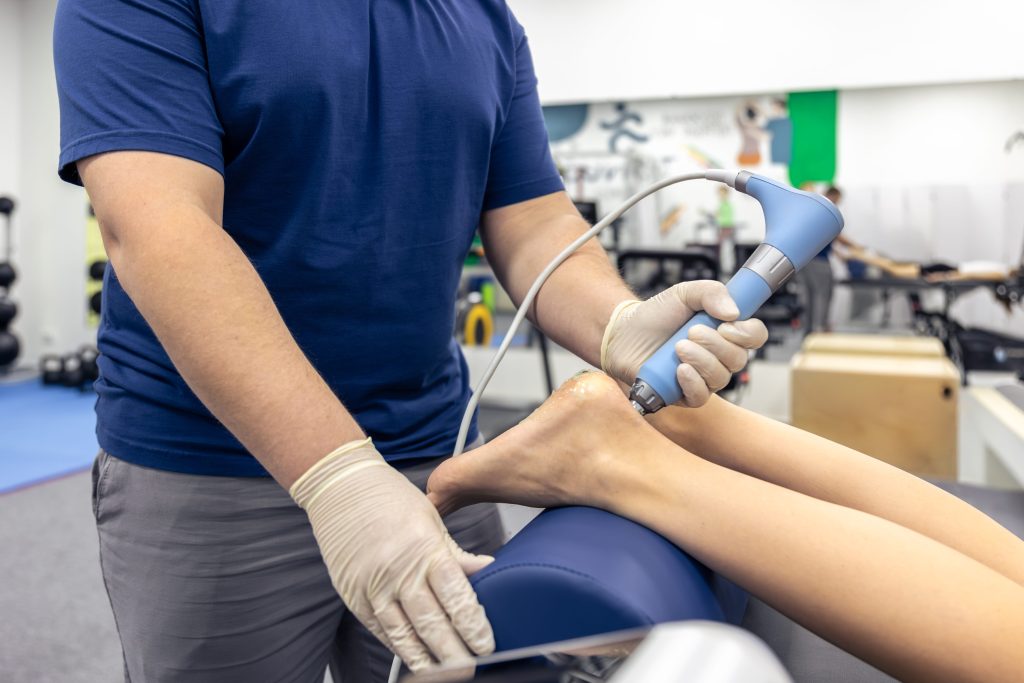
5. Improve Walking Mechanics and Use the Right Aid
Weakness, numbness, pain, or foot drop can change stride length, foot clearance, speed, and stability. Gait training focuses on safer, more efficient walking. It may include cueing, strengthening, treadmill or overground practice, obstacle negotiation, and learning to use a walking aid correctly.
A correctly fitted cane, walking frame, or ankle-foot orthosis may reduce fall risk, conserve energy, and support community activity. Professional fitting and practice are important.
Shoes should fit securely, protect the toes, and have a stable sole. Avoid walking barefoot when reduced sensation could hide cuts, heat exposure, or pressure points.
6. Use Pacing to Manage Pain and Fatigue
Many people alternate between doing too much on a good day and resting extensively after symptoms flare. Pacing aims for a more sustainable rhythm. Break larger activities into smaller parts, alternate demanding and lighter tasks, and schedule brief rests before exhaustion.
A simple diary can reveal patterns between sleep, movement, stress, pain, and fatigue. Set achievable functional targets and progress them according to tolerance and consistency.
Relaxed breathing, mindfulness, and good sleep routines may reduce distress and muscle tension. They help regulate the response to a physical problem; they do not imply that pain is imaginary.
7. Protect Numb Hands and Feet
Reduced sensation raises the risk of unnoticed injury. Check the feet daily for redness, blisters, cracks, swelling, pressure marks, or wounds. Use a mirror or ask for help if the soles are difficult to see. Keep the skin clean and dry, trim nails carefully, and seek professional foot care when needed.
Test bath water with an unaffected body area or a thermometer rather than a numb hand or foot. Wear gloves for gardening or household tasks, avoid direct heat from hot-water bottles or heating pads, and inspect shoes for stones or rough seams before putting them on.
People with diabetes or poor circulation should seek prompt medical advice for a new foot wound, colour change, discharge, increasing swelling, or signs of infection. Prevention is far easier than treating a complicated injury.
8. Review the Home to Reduce Fall Risk
Small environmental changes can make movement safer without reducing independence. Improve lighting along routes to the bathroom, secure loose rugs, clear cables and clutter, install stable handrails, and use non-slip surfaces in wet areas. Frequently used items should be within easy reach.
Night lights can help because reduced visual input may worsen balance. If stairs, bathing, or outdoor access are difficult, a physiotherapist or occupational therapist can recommend practical modifications.
9. Support Nerve and Whole-Body Health
Healthy routines cannot reverse every type of nerve damage, but they support general health. Follow the nutrition plan recommended for diabetes, kidney disease, or vitamin deficiency, stay hydrated, and limit alcohol.
Smoking can impair circulation and healing, so stopping is beneficial. Prioritise regular sleep and discuss persistent sleep disruption with a clinician. If weight management is relevant, choose gradual, sustainable changes rather than severe diets or unverified supplements.
Be cautious of products marketed as a “neuropathy cure.” Claims that one supplement or device can regenerate nerves quickly may delay proper care. Ask a pharmacist or doctor about interactions before taking complementary products.
10. Work With a Coordinated Healthcare Team
Depending on the cause, care may involve medical specialists, a podiatrist, physiotherapist, occupational therapist, pharmacist, dietitian, or psychologist.
Physiotherapy is especially relevant when pain, weakness, stiffness, poor balance, or fear of falling limits activity. An individual plan may combine education, therapeutic exercise, balance and gait training, pacing, mobility aids, and home-safety advice. The goal is not to promise a cure but to help the person use their current abilities more effectively and work toward measurable functional gains.
If you are looking for an individualised movement assessment for Peripheral neuropathy, explore the physiotherapy support available at Iswanah Physiotherapy. A clinician can assess your mobility, understand your priorities, and coordinate with your medical team where appropriate.
What Does a Physiotherapy Programme Look Like?
The first appointment establishes a baseline for strength, movement, joint range, walking, balance, endurance, pain, and confidence. Goals may include walking to a nearby shop, climbing stairs, returning to work, or reducing falls.
A programme might combine supervised sessions with a clear home plan. Progress may be measured through walking distance, sit-to-stand performance, balance, activity tolerance, or personal goals. Unexpected symptom changes should trigger a review.
Recovery varies. Peripheral nerves may heal slowly when recovery is possible, and some neuropathies are long-term. Even when sensation does not return fully, people may improve strength, balance strategies, environmental safety, confidence, and participation. Meaningful progress is often about doing more safely and consistently, not simply obtaining a lower pain score.
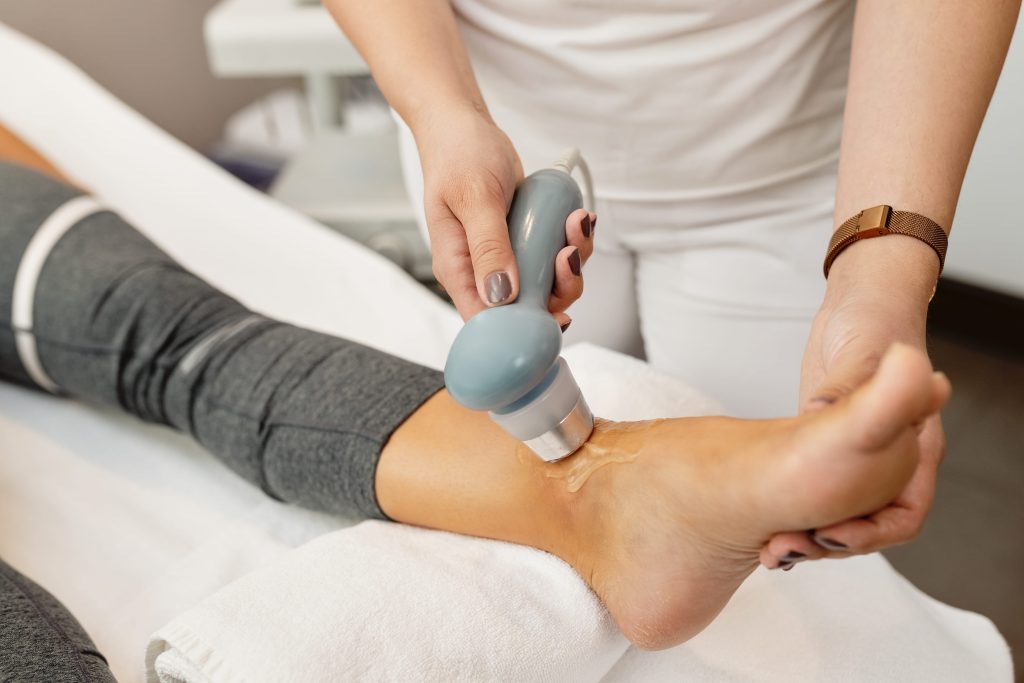
When Should You Seek Medical Help?
Arrange a medical assessment if you develop persistent numbness, tingling, burning pain, unexplained weakness, reduced balance, or repeated falls. Early review is especially important if symptoms are worsening, affecting both sides of the body, disrupting sleep, or interfering with daily tasks.
Seek urgent care for sudden weakness, rapidly ascending numbness, new facial symptoms, loss of bladder or bowel control, severe dizziness or fainting, difficulty breathing or swallowing, or a hot, swollen, discoloured, or infected foot. These signs may indicate a condition requiring immediate treatment.
For a detailed overview of symptoms, causes, diagnosis, and research for Peripheral neuropathy visit the National Institute of Neurological Disorders and Stroke peripheral neuropathy guide. Practical information about treatment and foot care is also available from the NHS peripheral neuropathy treatment guide.
Frequently Asked Questions About Peripheral Neuropathy
Can peripheral neuropathy be cured?
It depends on the cause, duration, and extent of nerve damage. Some neuropathies improve when the underlying problem is treated, while others are managed as long-term conditions. Rehabilitation can still improve safety, function, confidence, and quality of life even when symptoms do not disappear completely.
Is walking good for peripheral neuropathy?
Walking can support fitness, leg strength, circulation, and confidence, but it must be appropriate for the individual. People with marked numbness, weakness, foot wounds, or poor balance may need footwear changes, an aid, supervision, or a different starting exercise. Ask a clinician if you are unsure.
Can physiotherapy repair damaged nerves?
Physiotherapy does not directly repair every damaged nerve. It helps address the functional effects of neuropathy through strength, balance, gait, flexibility, education, pacing, and safety strategies. Where nerve recovery is possible, rehabilitation can support the return to useful movement.
How long does improvement take?
There is no universal timeline. Improvement may take weeks or months, and nerve recovery can be slow. Progress also depends on whether the cause can be controlled, how long symptoms have been present, overall health, and consistency with the plan. Functional measures often provide a more useful picture than day-to-day pain fluctuations.
Conclusion
Peripheral neuropathy can affect sensation, strength, balance, mobility, and overall quality of life. Although recovery depends on the underlying cause and extent of nerve damage, early diagnosis, appropriate medical care, and targeted physiotherapy can help manage symptoms, reduce the risk of falls, and support safer movement.
Peripheral neuropathy protecting numb hands and feet, following a suitable exercise programme, managing related health conditions, and making practical home-safety changes are important parts of long-term care. Improvement may take time, but consistent and personalised support can help you remain active, confident, and independent.
If peripheral neuropathy is affecting your walking, balance, or daily activities, visit Iswanah Physiotherapy to enquire about a personalised physiotherapy assessment and rehabilitation plan.
Take the Next Step Toward Safer Movement
Peripheral neuropathy can affect far more than sensation. It may change the way you walk, sleep, work, exercise, and interact with your surroundings. However, a clear diagnosis, appropriate medical treatment, targeted rehabilitation, and sensible self-care can reduce risk and help many people stay active.
Start by reporting new or worsening symptoms to a healthcare professional. Protect areas with reduced sensation, avoid unverified cure claims, and choose exercise that matches your current abilities. If pain, weakness, or poor balance is limiting your day, an individual physiotherapy assessment can turn broad advice into a practical plan built around your goals.
Visit Iswanah Physiotherapy to learn more or enquire about a personalised assessment for mobility, balance, and functional rehabilitation.