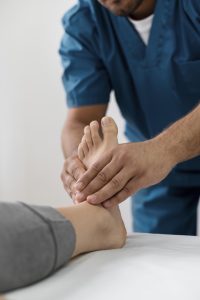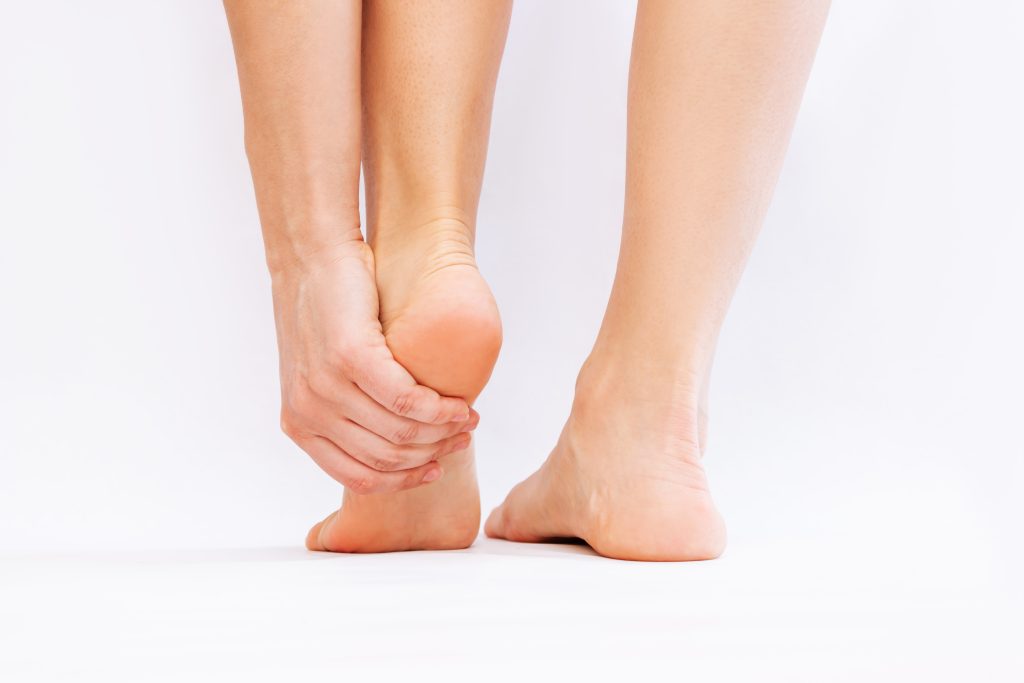
Experiencing sharp pain under your heel every time you take your first steps in the morning can significantly affect your daily life. One common cause of this discomfort is a Heel spur, a bony growth that develops on the underside of the heel bone due to prolonged stress on the foot.
While some people assume surgery is the only solution, the good news is that physiotherapy is often one of the most effective conservative treatments. It helps reduce pain, improve mobility, and address the underlying causes rather than simply masking symptoms.
At Iswanah Physiotherapy, our experienced physiotherapists provide personalised treatment plans designed to help patients recover safely and return to their normal activities.
What Is a Heel Spur?
A Heel spur is a calcium deposit that forms a small bony projection beneath the heel bone (calcaneus). It often develops over several months or years because of repetitive strain on the foot muscles and ligaments.
Although heel spurs can exist without causing pain, many people experience discomfort when the surrounding soft tissues become irritated or inflamed. The condition is commonly associated with plantar fasciitis, but they are not exactly the same condition.
Common risk factors include:
- Standing for long hours
- Running or jumping frequently
- Wearing unsupportive footwear
- Obesity
- Flat feet or high arches
- Tight calf muscles
- Increasing age
Common Symptoms
Symptoms may vary from person to person but commonly include:
- Sharp pain beneath the heel during the first few steps in the morning
- Pain after prolonged sitting
- Tenderness when pressing the heel
- Discomfort after walking or exercising
- Mild swelling around the heel
- Difficulty standing for long periods
If left untreated, the pain may gradually interfere with work, exercise, and daily activities.
7 Proven Physiotherapy Benefits
1. Reduces Pain Naturally
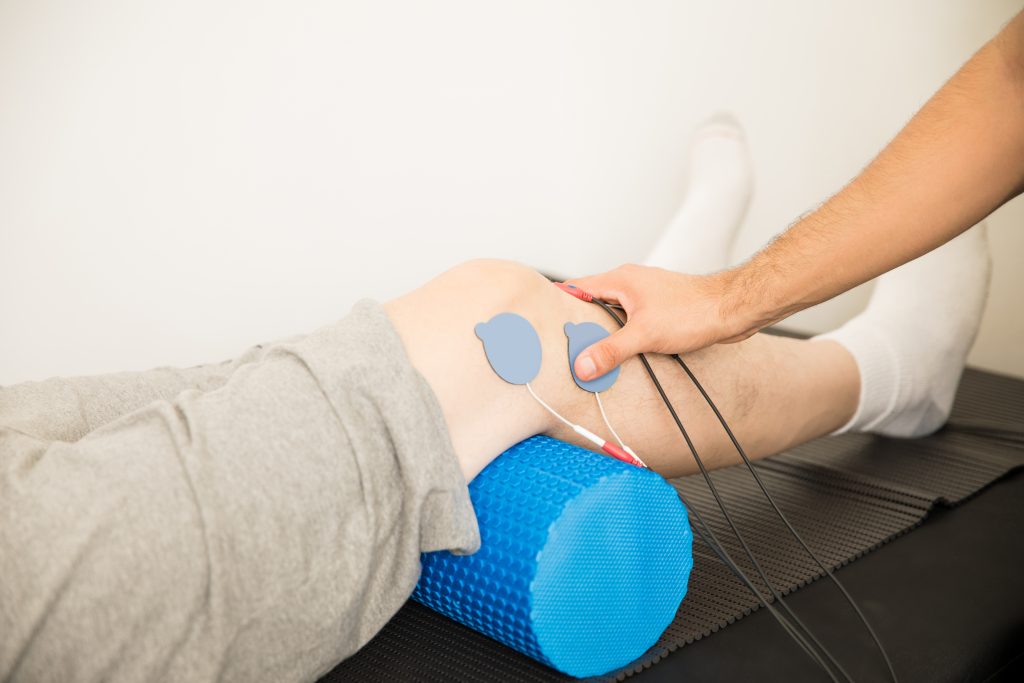
Physiotherapy focuses on reducing pain without relying solely on medication.
Your physiotherapist may use treatments such as:
- Therapeutic Ultrasound
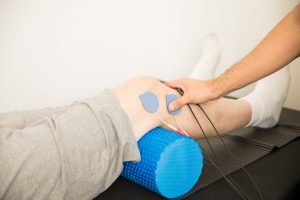
- TENS (Transcutaneous Electrical Nerve Stimulation)
- Soft tissue mobilisation
- Heat or cold therapy
These techniques help calm irritated tissues and improve comfort during movement.
2. Treats the Root Cause
Instead of only treating symptoms, physiotherapy identifies why excessive stress is being placed on the heel.
Common contributing factors include:
- Poor walking mechanics
- Tight calf muscles
- Weak foot muscles
- Poor posture
- Limited ankle mobility
Addressing these problems helps reduce repeated strain and supports long-term recovery.
3. Improves Flexibility
Tight muscles in the calves and the plantar fascia increase pressure on the heel.
A physiotherapist will prescribe stretching exercises targeting:
- Gastrocnemius muscle
- Soleus muscle
- Achilles tendon
- Plantar fascia
Improved flexibility helps reduce tension throughout the foot.
4. Strengthens Supporting Muscles
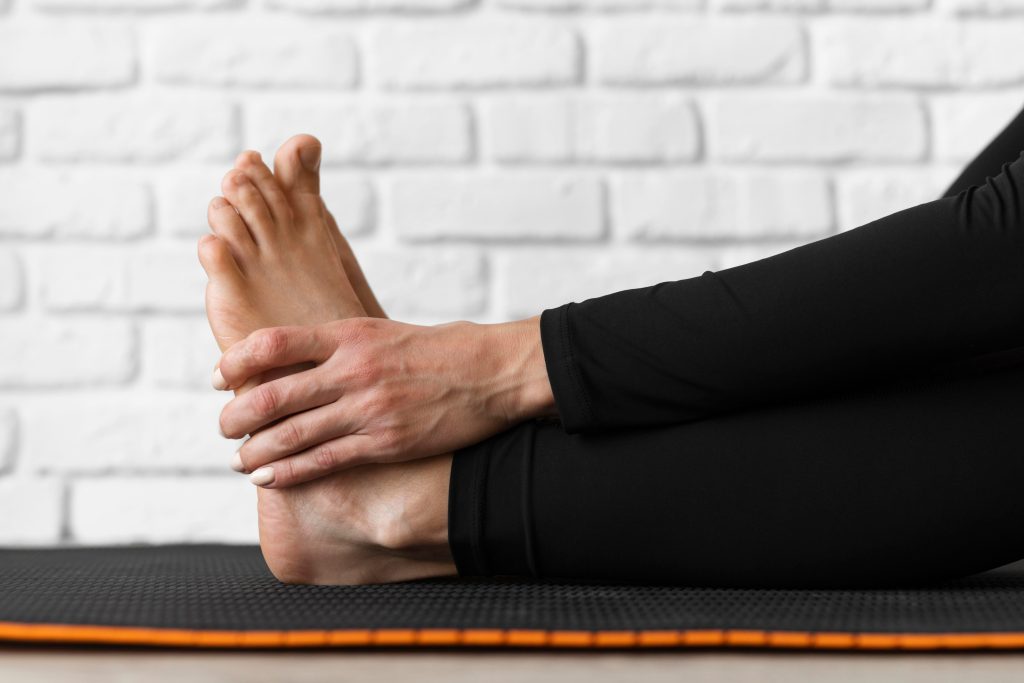
Weak muscles force the heel to absorb more impact during walking.
A rehabilitation programme may include strengthening exercises for:
- Foot intrinsic muscles
- Calf muscles
- Ankle stabilisers
- Hip muscles
- Core muscles
Improved strength promotes better foot alignment and reduces unnecessary stress.
5. Restores Normal Walking Pattern
Pain often causes people to change the way they walk without realising it.
This altered gait may create additional problems involving:
- Knees
- Hips
- Lower back
- Opposite foot
Physiotherapists analyse walking patterns and correct abnormal movement to improve overall function.
6. Prevents Future Recurrence
Successful rehabilitation goes beyond pain relief.
Patients receive education on:
- Choosing supportive footwear
- Safe exercise progression
- Weight management strategies
- Daily stretching routines
- Workplace modifications
These preventive measures greatly reduce the likelihood of symptoms returning.
7. Helps You Return to Daily Activities Faster
Whether you enjoy running, sports, or simply walking comfortably, physiotherapy helps restore confidence in movement.
Individual treatment plans are adjusted according to:
- Severity of symptoms
- Lifestyle demands
- Occupation
- Fitness level
- Recovery progress
This personalised approach often leads to better long-term outcomes.
7 Proven Physiotherapy Benefits
At Iswanah Physiotherapy, treatment plans are tailored to each patient’s condition and functional goals.
Depending on your assessment, treatment may include:
- Comprehensive physiotherapy assessment
- Manual therapy
- Therapeutic Ultrasound
- TENS therapy
- Exercise rehabilitation
- Stretching programmes
- Foot strengthening exercises
- Posture correction
- Gait retraining
- Home exercise education
Our goal is not only to relieve pain but also to improve movement quality and reduce the risk of recurrence.
Home Tips to Reduce Heel Pain

While professional treatment is recommended, these simple habits may help ease symptoms:
- Wear supportive shoes with proper cushioning
- Avoid walking barefoot on hard surfaces
- Stretch your calves daily
- Rest after prolonged standing
- Apply ice for 15–20 minutes after activity
- Maintain a healthy body weight
- Avoid sudden increases in physical activity
Remember that persistent heel pain should always be assessed by a qualified healthcare professional.
When Should You See a Physiotherapist?
You should seek professional assessment if:
- Heel pain lasts longer than two weeks
- Walking becomes difficult
- Pain worsens over time
- Home remedies are not helping
- The pain repeatedly returns
- You experience reduced mobility
Early intervention often leads to faster recovery and prevents chronic complications.
Conclusion
A Heel spur does not automatically mean surgery is necessary. With proper physiotherapy, many people successfully reduce pain, improve mobility, and return to their normal activities without invasive treatment.
At Iswanah Physiotherapy, we believe in treating the underlying cause through personalised rehabilitation, hands-on therapy, and evidence-based exercise programmes. Early assessment and consistent treatment can make a significant difference in your recovery journey.
If heel pain is affecting your daily life, consult our physiotherapy team today and take the first step toward moving comfortably again.